
Cold Cutting Service Company in Safwa
Hot-work-free cutting for plants that need control, safety and clean sectioning.
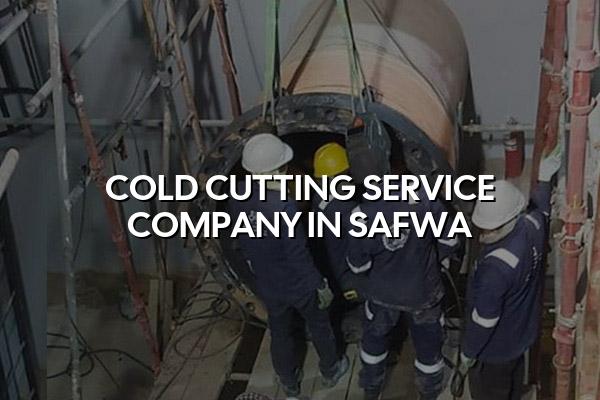
Cold cutting service company in Safwa support matters when you need pipe, tank or structural sectioning without introducing heat, sparks or extra shutdown risk. If you're planning maintenance in a live plant, this page shows how we handle controlled cutting, where it fits best, and what to check before you call us.
We work with industrial teams across Saudi Arabia, including the Eastern Province and Safwa, where refinery, petrochemical, power and utility jobs often need hot-work-free methods. Our crews are used to tight permits, confined access and equipment that can't be exposed to flame, so the job starts with the right method instead of trial and error.
Cold cutting service company in Safwa for controlled industrial work
In Safwa, cold cutting is usually chosen when the site team wants a clean, predictable cut without heat affected zones, grinding sparks or the smell of burnt coating. We use it for pipes, headers, vessels, tanks, brackets and sections that need to come out in a controlled way during shutdown, turnaround or emergency repair. The real value is simple: the surrounding asset stays safer, the permit process is easier to manage, and the cut line stays where it should.
Where cold cutting works best
We see the strongest demand from oil and gas facilities, petrochemical sites, utilities and manufacturing plants that can't accept a hot-work permit for the task. It also helps on jobs where nearby insulation, cable trays, coatings or contents inside the line make flame-based cutting a bad idea. In practice, that means you can remove damaged spools, open up access for inspection, or prepare a section for replacement without creating the mess that usually follows thermal cutting.
What we check before we start
Before any cut, our team looks at the material, wall thickness, access, isolation status and the surrounding equipment. If a line needs to be flushed, vented or mechanically secured first, we say so. That part matters because a neat cut is useless if the pipe moves, the section drops the wrong way, or the work area was never made safe for the crew and the plant.
- Site review — we confirm the exact item to be cut, the available access and the restrictions on the permit.
- Isolation and preparation — the line or structure is made ready, marked and secured so the cut can be controlled.
- Tool selection — we choose the right cold cutting method for the material and geometry, not a one-tool-fits-all approach.
- Sectioning and removal — the cut is carried out carefully, with attention to alignment, edge condition and safe lifting of the removed piece.
- Hot-work-free cutting reduces ignition risk around hydrocarbons, coating systems and cable routes.
- Clean sectioning helps when a spool, pipe rack member or tank section must be reinstalled or replaced.
- Better edge control makes follow-on welding, fit-up and inspection easier for the site team.
- Cold cutting suits shutdown work where nearby operations still need to keep moving.
Cold cutting options used on Safwa projects
| Method | Best suited for | Typical site advantage |
|---|---|---|
| Mechanical pipe cutting | Pipe spools, headers and service lines | Good control on removal work with no flame at the cut point |
| Cold sectioning of tanks or vessels | Maintenance openings and controlled dismantling | Helps when heat exposure around coatings or contents is a concern |
| Structure and frame cutting | Supports, brackets and steel members | Useful during retrofit work in tight plant areas |
| Targeted removal for repair | Damaged pieces that need replacement | Supports cleaner fit-up for the next fabrication step |
Why sites in Safwa choose cold cutting over thermal methods
Most plant managers don't ask for cold cutting because it sounds clever; they ask for it because the job has a permit problem, a fire risk problem, or both. When you're working near live equipment, hydrocarbon residue, paint systems or sensitive utilities, avoiding heat can save time during approvals and keep the work scope narrower. It also helps keep nearby surfaces from suffering warping, spatter or heat damage that then needs extra cleanup.
Fits shutdowns, turnarounds and emergency fixes
We often get called after an inspection team has found a damaged section that has to come out before the next shift or the next phase of work. That's where a cold-cutting plan helps. It lets the maintenance crew isolate the problem, remove only what needs to go, and hand over a cleaner opening to fabrication or welding once the replacement piece is ready.
Built for real plant conditions
Our work is shaped around live site constraints: limited access, shared corridors, strict work permits and equipment that can't be treated casually. That is why we plan the cut, the extraction path and the handover together, instead of treating them as separate jobs.
What to prepare before you book a cold cutting team
The best jobs start with clear information. We don't need a perfect package, but we do need enough detail to see the risks before we come to site. A pipe size, material type, drawing mark-up, access photo or permit note can change the method we send, the tools we carry and the way we isolate the work area.
In our experience, the jobs that run smoothly are the ones where the operations team and maintenance team agree early on what will be cut, what will stay in service and who will handle lifting or disposal. That keeps everyone aligned. It also avoids the common problem where the cut is ready, but no one has planned how the removed piece will move out of the area.
- Share the item type, dimensions and location inside the plant.
- Confirm whether the asset is isolated, drained or ready for preparation.
- Tell us if the area has coating, insulation, live lines or restricted headroom.
- Let us know if you need cut sections preserved for inspection or scrap removal.
Cold cutting plus follow-on services that often go together
Cold cutting rarely sits alone on an industrial work order. Once the damaged section has been removed, the site may need flange work, hydrotesting, bolt torquing, alignment checks or commissioning support before the asset can go back online. We can support that wider scope too, so the handover isn't passed from one vendor to another without a clear link between tasks.
If the job includes a pipe system or a mechanical package, we also look at what happens after the cut. That might mean preparing the replacement piece, checking fit-up, or planning the next stage so the final installation doesn't stall because one missing step was left for later.
One crew, fewer gaps
Having a team that understands cutting, mechanical work and inspection makes the handover cleaner. It reduces the back-and-forth that happens when different contractors interpret the same scope in different ways.
How Mayon Industrial Services Can Help
We provide cold cutting support as part of our wider mechanical services work, so the same team can also help with flange preparation, hydrotesting, bolt torquing, testing and commissioning when the scope grows. For Safwa and the wider Eastern Province, that means one practical partner who understands shutdown pressure, permit limits and the need to keep plant work controlled.
Call +91 99447 80844 (India) or +966 59 633 8012 (Saudi Arabia), email services@mayonservices.com, or message us on WhatsApp.
Frequently Asked Questions
It's used when a plant needs pipe, tank or steel removal without open flame and without creating a hot-work risk at the cut point. In Safwa, that usually comes up on oil and gas, petrochemical and utility jobs where permits are tight and nearby equipment can't be exposed to sparks. We plan it around isolation, access and the next repair step.
Yes, it can be done on live sites when the permit, isolation plan and access control are right. We still review the surrounding hazards first, because a live site is not the same as a simple off-line workshop job. The method has to suit the actual plant conditions, not just the drawing.
Send the item type, approximate size, location inside the plant and any notes on isolation or restricted access. A photo, drawing mark-up or permit note helps a lot. If the section must stay intact for inspection, or if you need the removed piece handled a certain way, tell us upfront.
No, it usually sits before the replacement work. Cold cutting removes the damaged or unwanted section cleanly, then welding, fit-up or fabrication can follow under a better controlled scope. That's why many maintenance teams treat it as part of a repair sequence rather than a standalone task.
Because it avoids flame at the cut point, which helps around hydrocarbons, coatings, insulation and live utilities. It can also make the permit conversation simpler when the site team wants to reduce ignition risk. On many jobs, that practical benefit matters more than the method name itself.
Need controlled cutting for your Safwa site?
Send us the scope and we'll help you choose the right method for the asset, the permit and the shutdown plan.
Contact Mayon
Cold cutting only works well when the planning is right and the crew respects the plant's limits. That's the part we pay attention to, because in Safwa and across Saudi Arabia the job is never just about making a cut; it's about making the cut safely, cleanly and with the next step already in mind.