
Cold Cutting Service Company in Najran
Cleaner cuts, less heat, and better control for shutdown work, retrofit jobs, and plant maintenance in Najran and nearby industrial sites.
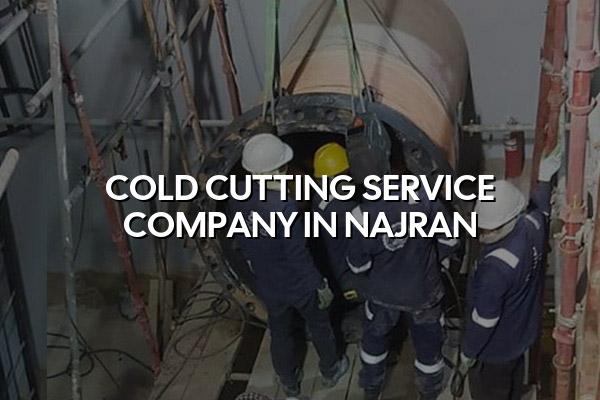
Cold cutting service company in Najran is exactly what plant teams search for when they need a clean cut without heat, sparks, or unnecessary downtime. If you're planning pipe removal, tie-ins, or structural modifications, this page shows how the work is done and what to check before you call a crew.
We support industrial customers across Saudi Arabia from our Dammam side operations, and Najran jobs usually come to us through maintenance windows, retrofit work, and urgent intervention on process lines. In those calls, the same questions come up again and again: can the line stay cooler, can the cut stay square, and can the site keep moving while the work is done safely?
Why a Cold Cutting Service Company in Najran Matters
When people ask for a cold cutting service company in Najran, they usually need more than a neat cut. They need a controlled method that helps protect nearby equipment, reduces heat-affected zones, and fits into a shutdown plan that already has pressure isolation, permits, and QA checks stacked on top of each other. That matters on oil and gas packages, utility skids, pipe racks, and plant rooms where a grinder or torch would create the wrong kind of risk.
Where cold cutting fits best
We see the strongest demand on live plants, retrofit projects, and maintenance work where fire risk needs to stay low. It also helps on stainless steel, carbon steel, and utility piping when the site wants a cleaner edge for welding, flange work, or replacement spools. If the job is on a tight access point, the method choice can save a lot of rework later.
What the site team usually needs
Most Najran requests start with a simple scope: cut, remove, prepare, and move on. In practice, the site team often needs isolation support, surface protection, debris control, and a cut that supports the next step, not a rough end that delays fit-up. We plan for that from the start, because the cut is only useful if the downstream crew can use it.
- Check the scope and line condition — we confirm pipe size, material, access, and what sits around the cut point before any tool comes out.
- Isolate and verify the work area — the site team sets the permit, LOTO, and gas-free steps where they apply, then we prepare the cut zone.
- Select the right cold cutting method — the tool choice depends on the material, wall thickness, and whether the cut needs to stay square for welding or dismantling.
- Carry out the cut and inspect the edge — we keep the process controlled, then check the finish so the next crew isn't fighting burrs or distortion.
- Keep a clear isolation plan for adjacent lines, not just the line being cut.
- Tell the crew whether the pipe will be removed, sleeved, or welded to a new spool.
- Ask for edge quality that supports the next fabrication step, not just a visible separation.
- Share any coating, cladding, or insulation details before mobilization.
Cold Cutting Options for Najran Maintenance Work
| Method | Best Use | Site Benefit |
|---|---|---|
| Mechanical cold cutting | Pipe removal, spool prep, dismantling | Controlled cut with low heat input and less disturbance around the line |
| Chain or clamshell style cutting | Field work on round pipe sections | Helps maintain a more even cut profile on accessible pipework |
| Structural cold cutting | Frames, brackets, supports, skid parts | Useful where nearby equipment or coatings need protection |
| Prep for welding after cut | Retrofits and tie-ins | Leaves the joint in better shape for fit-up and alignment |
How We Keep the Cut Controlled
On industrial jobs, the real challenge isn't just separating metal. It's keeping the cut stable while the site keeps its own rhythm. We build the work around permit conditions, nearby equipment, and the next fabrication step, so the cut doesn't create extra cleaning, extra alignment work, or avoidable risk.
Why the finish matters
A clean finish helps when the next activity is flange work, welding, or equipment removal. If the edge is ragged, the job keeps bleeding time into grinding and rework. For maintenance teams in Najran, that usually means more stoppage than anyone budgeted for.
Field work that fits shutdown schedules
Our crews support pipework, support steel, and dismantling tasks where a hot work approach is the wrong fit. We coordinate with mechanical teams so the cut supports removal, replacement, or commissioning without turning the job into a long clean-up exercise.
Practical Questions Before You Book the Crew
Procurement teams and maintenance supervisors usually want to know three things first: can the team mobilize to site, can the work fit inside the shutdown plan, and can the method protect surrounding assets. Those are fair questions. If the answer is vague, the job tends to drift.
We prefer to start with the material, the access route, and the end condition you need. A pipe that will be removed in sections is handled differently from a line that needs a precise cut for a new weld, and a support member near live equipment needs its own control plan.
Najran sites also tend to have their own weather and access realities. Heat, dust, and limited working windows can all shape the method. That is why the crew plan, tooling choice, and site coordination matter just as much as the cutting itself.
If you're comparing vendors, ask for a method statement that matches the actual work face. That's a better test than a long brochure.
How Mayon Industrial Services Can Help
We handle cold cutting as part of wider mechanical services, so the work can sit neatly beside flange work, hydrotesting, bolt torquing, testing and commissioning, or later repair tasks. If your Najran site also needs inspection, calibration, or support for instruments used around the job, we can line that up through our ISO/IEC 17025:2017 workflow and field capability. You get one team thinking about the whole job, not just the cut.
Call +91 99447 80844 (India) or +966 59 633 8012 (Saudi Arabia), email services@mayonservices.com, or message us on WhatsApp.
Frequently Asked Questions
It's used when a site wants to cut pipe, steel, or skids without the heat and sparks that come with hot work. In practice, that helps on shutdown jobs, retrofit work, and maintenance around sensitive equipment. We usually see it requested where the next step is welding, removal, or plant modification.
We look at pipe size, material, wall thickness, access, and what condition the cut must leave behind. A removal job may allow one approach, while a tie-in or spool replacement needs a cleaner finish. The site layout in Najran also matters, because tight access can rule out some tools straight away.
Yes. That's one of the main reasons people ask for it. It lowers the chance of heat damage, sparks, and unwanted disturbance around nearby assets, which is why it shows up so often on plant maintenance and modification work in Saudi Arabia.
We do. Most of these jobs are part of a bigger scope that may include flange work, bolting, hydrotesting, or commissioning support. That matters because the cut has to make sense for the next task, not just for the moment it's made.
Send the material, pipe or section size, approximate location, access notes, and the reason for the cut. If you already have a shutdown window, include that too. A clear photo of the work area usually helps more than a long email.
Ready to plan the cut properly?
If your Najran job needs controlled cutting, safer field execution, and a team that understands the surrounding mechanical scope, talk to us and get the conversation moving.
Contact Mayon