
Cold Cutting Service Company in Shedgum
Safe mechanical cutting for live plants, shutdowns and field work across Shedgum and nearby industrial sites.
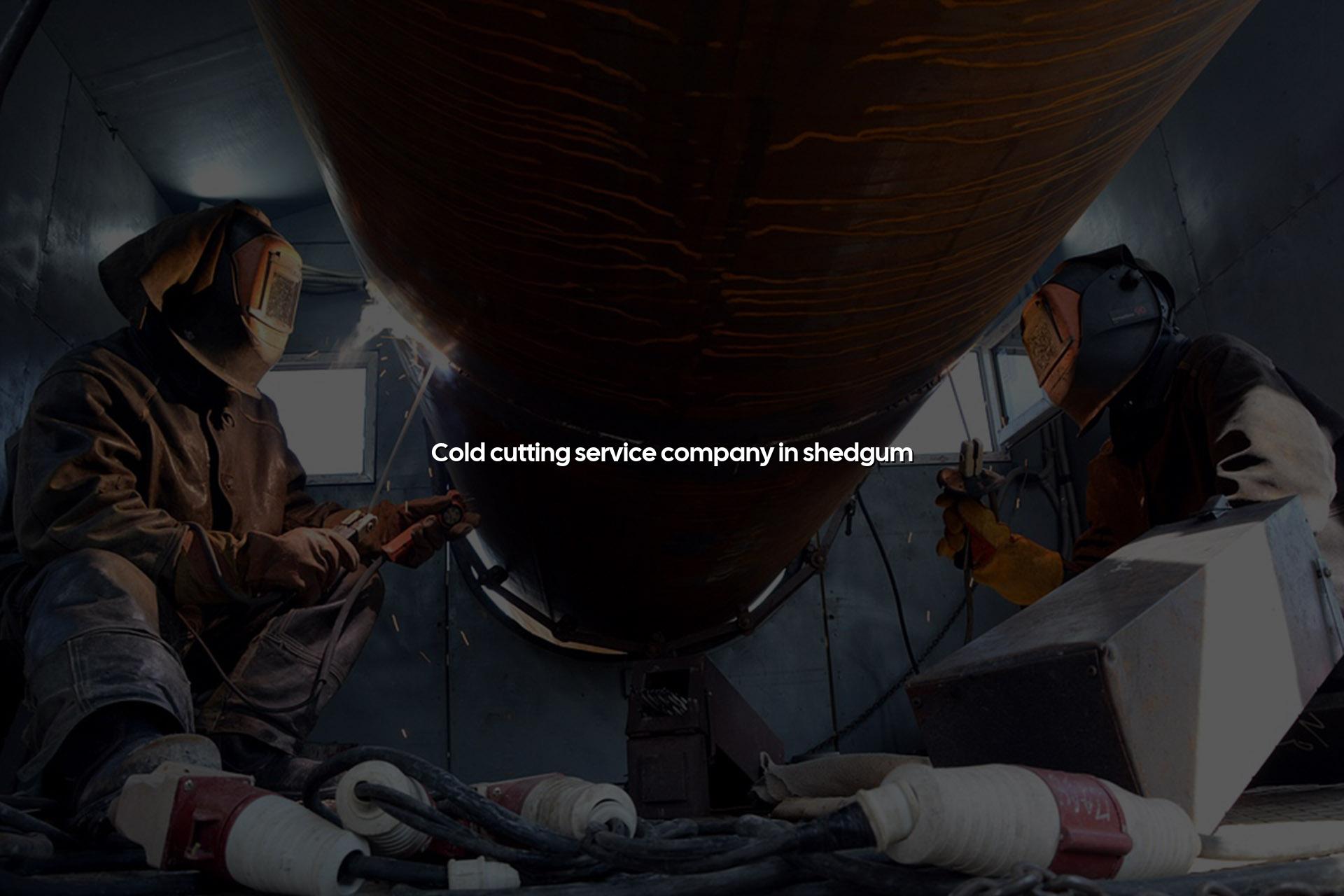
Cold cutting service company in Shedgum searches usually come from teams that need a clean cut without heat, sparks or extra risk around operating plant. We help you keep the job controlled, from the first mark-out to the final section removal, so your maintenance crew can move ahead without unnecessary rework.
In Shedgum and the wider Eastern Province, that often means pipe spools, flanges, structural members and package skids that sit inside tight shutdown windows. We work with the kind of conditions oil & gas, petrochemical and power teams face every day, using methods that suit onsite work, confined access and safety-focused execution.
Cold Cutting Service Company in Shedgum for plant work
When a site cannot tolerate flame, grinding heat or flying scale, cold cutting gives you a practical way to separate metal with more control. The method is used on piping, vessels, supports and fabricated assemblies where the priority is to reduce heat-affected zones, protect adjacent equipment and keep the work area easier to manage for permits and housekeeping.
Where the method makes sense
Most requests we see from refineries, gas facilities and maintenance contractors in Saudi Arabia are tied to shutdowns, tie-ins or corrective work. A cold cut is often the better choice when you need a straight section removed, when surrounding insulation has to stay intact, or when the job sits close to a live line and the team wants to avoid hot-work exposure.
Why site teams ask for it
The real value is control. You get a clean mechanical separation, less disturbance to nearby assets, and a process that fits field conditions better than an open-flame approach. For many clients, that also means fewer delays while the permit team reviews the method statement, especially when the work sits inside an operating process area or a temporary maintenance laydown in Shedgum.
- Survey the work face — confirm the pipe size, material, wall thickness, access path and the nearby items that must stay protected.
- Plan the isolation — coordinate permits, barricading and any lockout or line-safety requirements before the first tool starts.
- Set out the cut line — mark the section carefully so the removed piece comes off where the crew expects it to.
- Carry out the cut — use the selected cold-cutting method with steady control, then remove, clean and hand over the component.
- Better fit for work near live systems where sparks are a concern
- Useful for pipe sections, flange removal and structural modifications
- Easier to coordinate with shutdown planning and permit controls
- Helps reduce distortion on components that must be preserved
Cold cutting options for industrial maintenance
| Typical use | Main advantage | Best fit on site |
|---|---|---|
| Pipe section removal | Controlled separation with minimal heat input | Shutdowns, tie-ins and repair work |
| Flange cutting | Cleaner access around mating faces and tight layouts | Maintenance and replacement work |
| Structural member cutting | Less disturbance to nearby equipment and finishes | Plant modifications and rework |
| Skid or package alteration | More precise trimming in restricted areas | Brownfield upgrades and retrofit jobs |
What a good cold cutting job should look like
A proper job is not just a neat edge. It starts with a clear work pack, includes tool selection that suits the material, and ends with inspection of the cut quality so the next trade can continue without fighting burrs, angle issues or misalignment. In our experience, that handover matters just as much as the cut itself.
Keep the downstream work simple
If the cut face is square, clean and checked against the drawing or field requirement, welding, fitting or replacement work becomes easier. That is one reason maintenance managers prefer a method that supports repeatable field results instead of forcing the team to correct the end prep later. For Saudi sites working under tight permit rules, that saves real frustration.
Used on live plants and shutdown scopes
We see this method used where hot work needs a second look: pipeline modifications, equipment removal, flange changeouts, and access cuts inside process units. The right setup helps the site team keep the job orderly, which is what most supervisors want when several contractors are sharing the same area.
Where Shedgum projects usually use cold cutting
Pipework alterations
Useful when a spool needs to be shortened, removed or reworked during maintenance or upgrade activity.
Flange and fitting work
Helps with replacement tasks where heat can damage nearby seals, coatings or adjacent assembly points.
Structural modifications
Handy for support steel, brackets and access changes inside operating facilities and brownfield sites.
Shutdown and tie-in work
Fits work packs where teams need predictable field execution around permit windows and planned outages.
How Mayon Industrial Services Can Help
We support field teams in Shedgum with cold cutting as part of wider mechanical services, so you can keep pipework, flanges and related assets under control during maintenance. If your scope needs shutdown coordination, testing, inspection or follow-on work like bolt torquing, flange facing or commissioning support, we can line up the job to suit the site. The idea is simple: one team, clear scope, fewer handover gaps.
Call +91 99447 80844 (India) or +966 59 633 8012 (Saudi Arabia), email services@mayonservices.com, or message us on WhatsApp.
Frequently Asked Questions
It’s used when you need to cut metal without flame or heat. On industrial sites, that usually means pipework, flanges, supports or skid components that sit near live systems or inside a permit-controlled area. The main aim is to keep the work controlled and easier to approve for maintenance crews.
In many cases, yes, especially where sparks, fumes or heat could create extra risk. It doesn’t replace every hot-work method, but it often suits shutdowns, brownfield work and live plant areas much better. The choice depends on the material, access and the site rules.
Yes, onsite work is often the point of using this method. It helps when the item is too large to move or when the plant team wants the job done where the equipment sits. We plan around access, isolation and the work area so the task fits the site conditions.
Common scopes include pipes, flanges, brackets, support steel and some fabricated packages. The exact method depends on thickness, location and whether the cut is part of removal, repair or modification work. A quick site review usually tells us what approach makes sense.
Send us the scope, the location and a few photos if you have them. That helps us understand the access, material and whether the job is part of a shutdown, repair or modification package. Then we can respond through our Saudi contact line or by email and discuss the next step.
Yes, we can align the cold cutting scope with other mechanical services such as flange work, bolt torquing, hydrotesting and commissioning support. That’s useful when one contractor needs to manage the full handoff instead of passing the job between several teams. It keeps the work sequence cleaner.
Need cold cutting done without the noise of hot work?
Send the scope, and we’ll help you plan a clean, field-ready solution for your Shedgum site.
Contact MayonFor plant teams in Shedgum, the best result is usually the one that keeps the job moving without creating new risk. That is the standard we work to, and it’s how Mayon Industrial Services supports maintenance, turnaround and modification scopes across Saudi Arabia and the Middle East.