
Cold Cutting Service Company in Rabigh
Safe, spark-free cutting for shutdowns, maintenance work and tight-access plant conditions in Rabigh and nearby industrial sites.
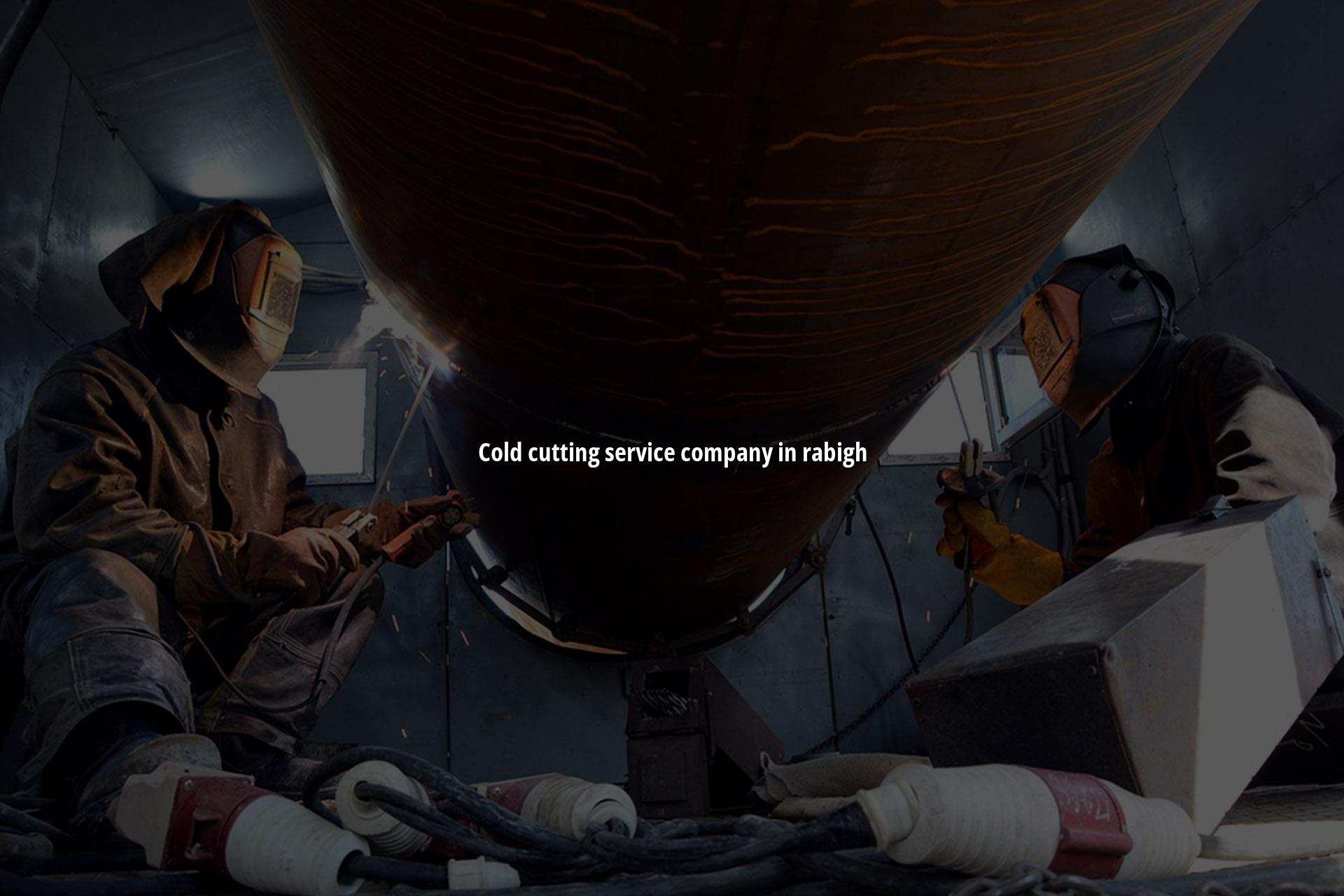
Cold cutting service company in Rabigh is the phrase most plant teams use when they need clean, spark-free cutting without putting a hot-work permit at the center of the job. If you're planning maintenance on pipework, vessels, skids or structural members, this page shows you how we handle the work and what to check before you release the crew.
We work with maintenance managers, shutdown coordinators and contractors around Saudi Arabia’s industrial corridors, including Rabigh’s oil, petrochemical, utility and logistics sites. Our team brings mechanical services, onsite execution and controlled methods that fit live plant restrictions, especially where heat, fumes or ignition risk are a concern.
What a cold cutting service company in Rabigh should actually deliver
When a client asks for cold cutting, they usually want one thing first: control. The cut has to be accurate, the area has to stay safe, and the surrounding system must be protected from heat, sparks and unnecessary vibration. In Rabigh, that often means work near operating lines, turnaround scopes, utility pipe racks, or equipment that can't tolerate thermal damage. We plan the method around the material, wall thickness, access route and isolation conditions before any tool reaches the job.
Where cold cutting fits best
Cold cutting is a strong choice for carbon steel, stainless steel and many site-installed components where hot work is awkward or not allowed. It's commonly used for pipe replacement, flange removal, structural modifications, sectioning damaged spools and maintenance on shutdown paths. For larger sites in the Rabigh area, the method also helps when the client wants to reduce grinding, lower fire-watch burden and keep the work area cleaner.
Why site teams ask for it
Most of the calls we get are practical, not fancy. A line needs to be isolated, a section needs to come out without disturbing adjacent assets, or a fit-up team wants a cleaner edge before reinstallation. That is exactly where a cold cutting service company in Rabigh needs to think like a maintenance partner, not just a cutting crew. The job starts with measurements and access, then the method is matched to the material and the schedule on the ground.
- Inspect the scope — confirm the line number, material, size and access constraints before selecting the cutting method.
- Isolate and verify — coordinate permits, make the area safe and check that the section can be worked on without risk to nearby systems.
- Mark the cut path — set the exact cut line so the removed piece fits the downstream repair plan.
- Execute and clear — cut, remove, dress the edge and hand back a component that is ready for the next mechanical step.
- Spark-free methods help reduce fire risk in restricted plant areas.
- Controlled cutting keeps nearby coatings, seals and instruments safer.
- Better edge quality makes re-fit and welding preparation easier.
- Suitable for shutdown work where hot work permits slow things down.
- Useful for pipe spools, structural sections, flanges and maintenance removals.
Cold cutting method choices and when they suit Rabigh plant work
| Work condition | Cold cutting fit | Typical site result |
|---|---|---|
| Live plant area with strict ignition control | Very suitable | Lower hot-work exposure and simpler control of the immediate work zone |
| Shutdown pipe replacement | Very suitable | Cleaner removal of old sections and easier fit-up for the new spool |
| Corroded or seized flange removal | Suitable when planned correctly | Controlled separation with less collateral damage to adjoining assets |
| Structural steel modification | Suitable | Accurate sectioning where heat could affect nearby coatings or supports |
How we keep the work controlled from the first visit
Good cutting work doesn't begin at the blade. It begins with the job pack. We review access, obstructions, surrounding equipment and the sequence around the cut so the crew isn't improvising on site. That matters in Rabigh, where industrial sites often run on tight windows and every extra rework step costs time and creates risk.
Tools, setup and handback
We bring the cutting approach to the job, not the other way around. The setup may include mechanical isolation steps, marking, support planning and edge preparation so the removed section leaves a clean opening behind. If the scope is tied to downstream mechanical services such as flange work, hydrotesting or commissioning, we keep the sequence aligned so the next team can move without delay.
Rabigh site conditions we plan for
We see enclosed pipe racks, elevated access, congested utility areas and shutdown paths where the crew needs a tidy, low-heat approach. A local job often needs more than cutting alone, so we coordinate with mechanical fit-up, testing and inspection as needed. That is where a practical contractor saves you time.
Things that make a cold cutting job go better
We keep seeing the same pattern on industrial jobs: when the scope is measured properly and the cut line is agreed early, the work stays calm. When it isn't, people spend the shift chasing clashes, changes and rework. If you're comparing contractors in Rabigh, ask how they plan the cut, how they control the area, and what they hand over after removal.
On mixed maintenance scopes, cold cutting also helps protect adjacent assets that are hard to isolate. That includes coating systems, nearby instruments, hoses, and supports sitting only a few inches away from the work face. In our experience, the best results come from crews that think in sequence, not in isolated tasks.
- Confirm the exact line, size and material before the crew mobilises.
- Check access for lifting, support and safe removal of the cut section.
- Coordinate the job with isolation, inspection and the next mechanical task.
- Keep the cut edge suitable for reinstallation or follow-on fabrication.
Common scopes we handle
Pipe section removal, flange-related cutting, structural trimming, shutdown modifications and controlled removal around maintenance pinch points. If the job needs supporting work later, we can keep the workflow aligned with mechanical services and inspection support.
Why Rabigh plants often prefer cold cutting over hot work
Hot work can still be the right answer in some jobs, but plenty of shutdown teams prefer to avoid it when there's a safer mechanical method available. Cold cutting is useful where the area is cramped, the surrounding asset is sensitive, or the schedule doesn't leave much room for repeated fire-watch coordination. It also fits well when a client wants to keep the site cleaner and reduce thermal distortion near the final fit-up point.
What the handover should look like
A proper handback isn't just a removed section sitting on the floor. The opening should be clear, the edge should be usable for the next scope, and the team should know what was cut, what was left in place and what still needs attention. That kind of clarity matters on industrial sites in Rabigh, Jeddah, Yanbu and the broader GCC, where multiple contractors may work on the same shutdown path.
Questions to ask before you start
Ask whether the contractor has handled similar pipe and structural work on industrial sites, how they manage site controls, and whether they can coordinate with other mechanical scopes. A serious team won't rush those answers. They'll walk the job with you first.
How Mayon Industrial Services Can Help
If you need a cold cutting service company in Rabigh, we can support the job with practical mechanical planning, controlled cutting, and the follow-on scopes that usually sit around it. Our team also handles calibration, inspection, testing, orbital welding, lab setup and repair work, so your shutdown plan doesn't have to bounce between too many vendors. If you want a clean, well-controlled scope, talk to us and we’ll map the work with you.
Call +91 99447 80844 (India) or +966 59 633 8012 (Saudi Arabia), email services@mayonservices.com, or message us on WhatsApp.
Frequently Asked Questions
It's used when you need to remove pipe, structural steel or other metal components without introducing heat and sparks into the job area. That makes it a good fit for shutdown work, sensitive plant zones and locations where hot work control would slow the job down.
Yes. That's one of the most common requests we see. The key is to review the material, wall thickness, access and the next step after removal so the cut leaves a usable edge for fit-up or repair.
For many shutdown scopes, yes, because it can reduce ignition concerns and keep the work zone easier to manage. We still look at the job properly before recommending it, since some scopes need a different mechanical approach.
We support industrial clients in Saudi Arabia, India and the Middle East. Rabigh is a natural fit for our mechanical and onsite service model because the local work often needs practical shutdown support and careful coordination with other scopes.
Send the line size, material, location, access constraints, shutdown window and any drawings or photos you already have. If the job links to other work such as flange work, testing or inspection, include that too so we can plan the sequence properly.
Ready to line up the cutting work?
If you need a controlled, spark-free method for maintenance in Rabigh, send us the scope and we'll help you shape the job around the site conditions.
Contact Mayon