
Condition Monitoring Company in Ras Tanura
Find onsite condition monitoring support for rotating equipment, electrical assets, and predictive maintenance planning in Ras Tanura and nearby industrial sites.
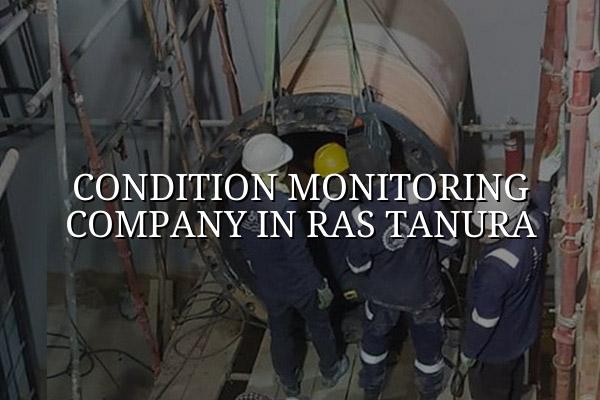
Condition monitoring company in Ras Tanura support helps you catch machine trouble before it turns into an unplanned shutdown. If you’re running pumps, compressors, rotating skids, or electrical assets tied to oil and gas operations, this page shows how we approach fault detection, what methods we use, and what you should ask for before booking a team.
We work with plants that need practical, traceable maintenance support, not guesses. In Ras Tanura and the wider Eastern Province industrial belt, teams usually want clear readings, sensible recommendations, and an engineer who understands the pressure of keeping production moving while maintenance windows stay tight.
Why a Condition Monitoring Company in Ras Tanura Matters
In Ras Tanura, most monitoring work starts with the same question: is this machine still healthy, or is it drifting toward failure? That sounds simple, but the answer usually comes from a mix of vibration analysis, laser shaft alignment, infrared thermography, and ultrasound checks. Those methods tell different parts of the story. A pump with rising vibration may be suffering from looseness, imbalance, bearing wear, or soft foot. A motor control panel can look fine from the outside while a thermal scan shows a connection that needs attention.
What we look for first
We begin with machine history, duty pattern, and the symptoms your team already sees. Strange noise, heat, rising current, recurring seal failures, or repeated bearing replacements all point us to the likely fault family. In our experience, the best monitoring programs in oil and gas sites around Ras Tanura are the ones that connect findings back to maintenance planning, not just to a report. You want useful next steps, not a pile of graphs.
Why the local operating context changes the work
Coastal weather, continuous operation, and heavy process loads make condition monitoring more than a periodic check. Equipment serving tank farms, terminals, utilities, and support systems can degrade in small ways that add up fast. That is why onsite inspections and mobile-lab support matter. We can come to the asset, collect data where it runs, and give your maintenance team a clear picture without pulling everything out of service too early.
- Start with the asset list — we identify the critical machines first, usually the ones that can stop production or affect safety if they fail.
- Record the baseline — vibration, temperature, alignment condition, and operating notes are captured while the equipment is running normally.
- Check for abnormal patterns — we compare readings against trend movement, field symptoms, and expected operating behaviour.
- Confirm the fault route — the data is checked against likely causes such as misalignment, looseness, bearing damage, or thermal stress.
- Plan the maintenance action — your team gets practical recommendations for repair, repeat checks, or follow-up testing.
- Ask for trend data, not only a single snapshot.
- Tie each finding to one machine tag and one maintenance action.
- Use thermography for live electrical and hot-spot checks.
- Use alignment checks after motor, gearbox, or coupling work.
- Keep monitoring intervals tighter on critical pumps and compressors.
Common Monitoring Methods and What They Tell You
| Method | Main use | Typical field clue |
|---|---|---|
| Vibration analysis | Rotating equipment condition | Rising amplitude, bearing defects, imbalance, looseness |
| Laser shaft alignment | Coupled machine setup | High vibration after installation, seal wear, coupling strain |
| Infrared thermography | Electrical and thermal issues | Hot terminations, uneven panel temperatures, overloaded parts |
| Ultrasound monitoring | Leakage and early mechanical fault checks | Air leaks, steam leaks, early bearing noise patterns |
How Monitoring Reduces Surprises on Site
A well-run monitoring program does more than protect machines. It helps maintenance managers decide what can wait, what needs to stop, and what needs an immediate callout. That matters in Ras Tanura where process reliability, safety, and shutdown planning all sit on the same desk. When a bearing begins to run hot or a panel starts showing temperature rise at a termination, the right response is often a scheduled intervention, not an emergency scramble.
Where it pays off most
We usually see the strongest value on pumps, compressors, motors, fan trains, and utility systems that run for long stretches. The same applies to substations and other electrical assets that support continuous operations. A good monitoring plan also helps procurement teams justify replacement parts with evidence, and that saves arguments later. It gives you a reason, not just a request.
Field data that people can act on
We keep the findings plain. If the issue looks like misalignment, we say so. If the readings point to bearing wear or thermal stress, we flag the machine and recommend the next check. That style works well for plants that already have a maintenance team and need a partner who can support the decision instead of making it harder.
What You Should Expect from an Onsite Visit
An onsite visit should feel organized from the first walkdown. Our team normally looks at operating condition, safety access, mounting, coupling state, visible wear, and any recent maintenance history before touching the instruments. If the machine is too critical to stop, we work around live operating conditions where the method allows it. That approach suits industrial sites that cannot afford long interruptions for basic diagnostics.
For sites in and around Saudi Arabia, especially oil and gas and petrochemical facilities, monitoring often needs to sit inside a bigger reliability plan. We can support that by linking the field data to calibration, inspection, electrical testing, or mechanical work where needed. If the issue is found early enough, the repair can stay small. That is the whole point.
- Clear machine-by-machine findings
- Practical recommendations for maintenance teams
- Support for rotating, electrical, and thermal checks
- Suitable for plants, utilities, and support systems
How Mayon Industrial Services Can Help
We support condition monitoring with the same practical mindset we use in calibration, mechanical services, inspection, and electrical testing. If your team in Ras Tanura needs vibration checks, alignment support, thermography, or a wider maintenance review, we can work onsite and keep the findings tied to real equipment decisions. That’s how we help plants cut noise in the process and focus on the machines that matter most.
Call +91 99447 80844 (India) or +966 59 633 8012 (Saudi Arabia), email services@mayonservices.com, or message us on WhatsApp.
Frequently Asked Questions
We check the health of machines before they fail. That usually means vibration analysis, alignment checks, thermography, and sometimes ultrasound or fault diagnostics. The point is to find a developing problem early enough that you can plan the repair instead of reacting to a breakdown.
Start with the machines that can stop production or create a safety issue if they fail. In most industrial sites, that means pumps, motors, compressors, fan trains, gearboxes, and critical electrical panels. Once those are covered, you can widen the program to support systems and less critical assets.
Yes. Repeated bearing issues often show up first in vibration patterns, temperature rise, or installation problems like misalignment and looseness. When we find the root cause early, you avoid replacing the same bearing over and over without fixing what caused the damage.
It is, especially for live panels, terminations, and distribution equipment. Thermal differences can point to loose connections, imbalance, or overload conditions. It’s a strong way to catch electrical hot spots without opening up equipment more than necessary.
Yes. We serve clients across Saudi Arabia, India, and the Middle East. If your site is in an industrial area, a terminal, a plant, or a support facility, we can discuss the scope and arrange the right visit plan.
Ask for the asset tag, the measured condition, the likely fault, the evidence that supports it, and the next maintenance action. A useful report should help your planner, your supervisor, and your procurement team make one clear decision. If it reads like a puzzle, it is probably not helping enough.
Ready to put a condition monitoring plan around your critical assets?
If you need better visibility on machine health in Ras Tanura, talk to our team and get a practical service scope that fits your site.
Contact MayonGood condition monitoring makes maintenance calmer. You see the problem earlier, plan better, and avoid wasting time on avoidable failures. For Ras Tanura operations, that kind of support can make a real difference, and our team is ready to help when you want a direct, field-based approach.