
Condition Monitoring Company in Red Sea
Predictive maintenance support for rotating assets, electrical systems and critical process equipment across Red Sea industrial sites.
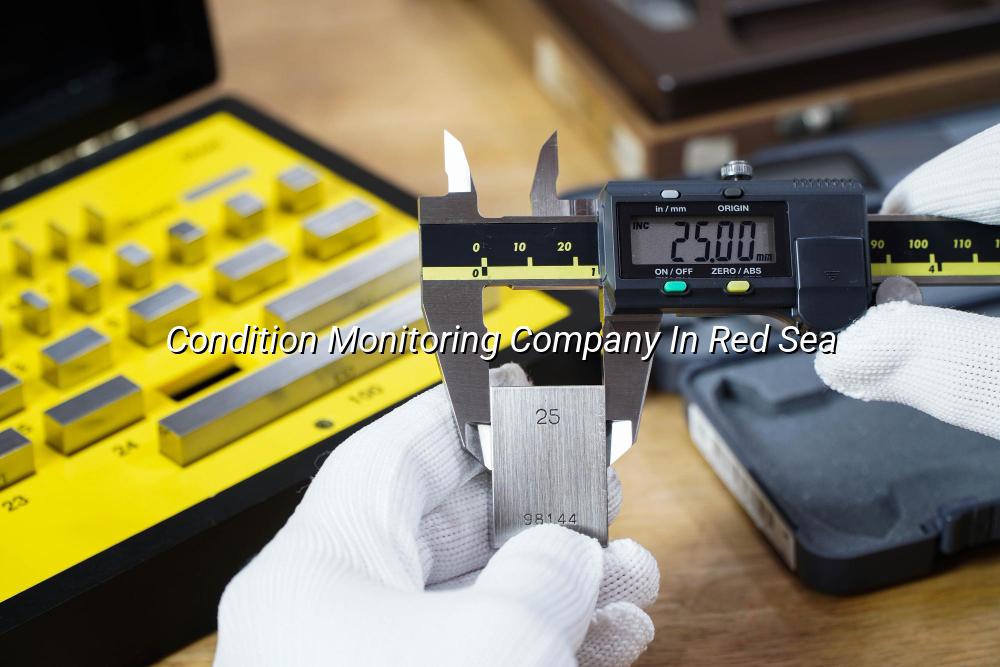
Condition monitoring company in Red Sea searches usually come from teams that are tired of surprise stoppages on pumps, compressors, motors and gearboxes. We help you spot the warning signs early, so your maintenance plan is based on actual asset condition instead of guesswork.
For industrial sites around the Red Sea corridor, the pressure is real. Offshore-linked operations, port facilities, utilities and process plants all need equipment that stays available, and our vibration analysis, alignment and thermography work gives maintenance teams the evidence they need to act before a fault grows teeth.
Condition Monitoring Company in Red Sea for Critical Assets
When people ask for a condition monitoring company in Red Sea, they usually want one thing: fewer unplanned shutdowns without adding more noise to an already busy maintenance schedule. Our approach focuses on the machines that matter most, especially rotating equipment in oil and gas support services, petrochemical plants, power facilities, cold-chain utilities and manufacturing lines that cannot afford trial-and-error repairs.
What we look for during monitoring
We check for patterns, not just readings. A rise in overall vibration can point to imbalance, looseness or bearing wear; shaft misalignment often shows up through repeatable trends; heat signatures from infrared thermography can expose overloaded electrical parts or poor connections; ultrasound helps with leaks and certain mechanical faults. The value is in putting those clues together before the asset fails in service.
How the work fits your maintenance plan
Our field visits and analysis are built for real sites, not a lab-only setting. If your team works across Jeddah-side logistics, Yanbu industrial corridors, or projects linked to Red Sea coastal operations, you need a service that can move with the plant. We use our mobile calibration lab and onsite capability to support measurements that need traceability, then turn the findings into actions your engineers can use.
- Identify the critical assets — we start with pumps, motors, fans, compressors, gearboxes and any equipment whose failure would stop production or utilities.
- Capture baseline data — vibration, alignment, thermography and ultrasound readings are recorded so future changes can be compared against a known condition.
- Review the trend — repeated readings matter more than a single number, because fault growth usually shows up as a pattern.
- Recommend action — we flag whether the issue needs immediate attention, planned repair or follow-up checks during the next shutdown.
- Vibration analysis helps catch imbalance, looseness and bearing problems early.
- Laser shaft alignment reduces stress on couplings, seals and bearings.
- Infrared thermography is useful for overloaded panels, hot joints and electrical anomalies.
- Ultrasound monitoring supports leak checks and certain mechanical inspections.
- Field findings can be linked to ISO/IEC 17025:2017 traceability where measurements need controlled calibration support.
Typical Checks Used in Condition Monitoring
| Method | Best Used For | What It Helps You See |
|---|---|---|
| Vibration analysis | Motors, pumps, fans, gearboxes | Imbalance, looseness, resonance, bearing distress |
| Laser shaft alignment | Driven equipment sets | Angular and offset misalignment before it damages components |
| Infrared thermography | Panels, MCCs, substations, electrical joints | Overheating, loose connections, load issues |
| Ultrasound monitoring | Leaks and mechanical condition checks | Air leaks, certain friction points and abnormal sound patterns |
Why Red Sea Sites Need Early Fault Detection
Coastal and industrial environments punish equipment. Heat, dust, continuous loading and long operating hours can turn a small defect into a larger failure faster than many teams expect. In our experience, the machines that get inspected only after a complaint are often the ones that cost the most to recover.
Where the data matters most
Condition monitoring becomes especially useful on assets that support production continuity: cooling systems, process pumps, compressor trains, utility motors, conveyor drives and electrical distribution gear. If your plant needs evidence for shutdown planning, contractor coordination or internal maintenance reporting, a clear trend history is a lot easier to defend than a vague complaint about noise or heat.
Built for real industrial decisions
We don't stop at readings. Our team looks at the likely fault path, the operating context and the safety risk, then gives you practical next steps your maintenance and reliability people can use in the field.
How We Handle a Condition Monitoring Visit
Every site is different, but the workflow stays practical. We keep it simple enough for maintenance teams to follow and detailed enough for engineering review.
First contact to final findings
Usually the first call is about one noisy machine, one hot panel or a line that keeps tripping. From there, we build a plan around the assets you care about most, then record findings in a way that supports planned maintenance instead of fire-fighting.
- Scope the site — we confirm which machines, panels or systems need attention and what operating issues you are seeing.
- Inspect and measure — we take vibration, thermal, alignment or ultrasound readings using the right method for the fault you suspect.
- Compare and interpret — the readings are checked against prior data, operating condition and likely failure modes.
- Report and act — you receive findings that support repair planning, shutdown scheduling or follow-up testing.
- Useful for planned maintenance and shutdown preparation.
- Works well for rotating equipment in continuous-process plants.
- Supports safer decisions around electrical overheating and mechanical wear.
- Helps teams prioritise the highest-risk assets first.
Where This Service Fits Best
Oil & Gas and Petrochemical
Rotating equipment, hazardous-area support systems and electrical assets in these plants need stable condition data, especially when operating windows are tight and shutdowns are expensive.
Power and Utilities
Generators, switchgear and auxiliary motors often show warning signs through heat and vibration long before a failure reaches the control room.
Cold Chain and Process Cooling
For warehouses, freezers and reefer-linked systems, a small mechanical issue can threaten product quality. Early checks help protect temperature-sensitive operations.
How Mayon Industrial Services Can Help
We support condition monitoring with vibration analysis, laser shaft alignment, infrared thermography and ultrasound checks, and we can tie that work into calibration, electrical testing, mechanical repair and commissioning when the job needs more than a quick visit. If your site in the Red Sea region needs a steady maintenance partner, we can help you make the next decision with better data.
Call +91 99447 80844 (India) or +966 59 633 8012 (Saudi Arabia), email services@mayonservices.com, or message us on WhatsApp.
Frequently Asked Questions
We check equipment condition using methods like vibration analysis, alignment, thermography and ultrasound. That helps spot faults early, so you can plan repairs instead of waiting for a breakdown. For plants near the Red Sea, that usually means better uptime and fewer emergency callouts.
The right frequency depends on the asset criticality, operating hours and how fast the fault would grow if left alone. High-priority machines are often checked on a regular trend basis, while lower-risk equipment may only need periodic review. We normally set the schedule around your maintenance plan, not the other way around.
Yes. Infrared thermography can reveal hot spots in panels, loose connections, overloaded parts and other abnormal heating patterns. It's especially useful in LV, MV and substation environments where a small thermal issue can grow into a larger electrical problem.
Yes, we support onsite work in Saudi Arabia through our Dammam Industrial City 2 base with SMC Engineering Services / Sixfaces Maintenance Co. That makes it practical for industrial clients who need field measurements, reporting and follow-up planning without moving equipment offsite.
We see strong demand from oil and gas, petrochemical, power, construction, healthcare, pharmaceutical, cold chain, food and beverage, manufacturing and engineering. Those sites usually have critical rotating equipment or electrical systems that need steady oversight. The common thread is simple: downtime is expensive.
It can, and that is often the cleanest route. We can support calibration services, mechanical services, electrical testing and commissioning, plus repair and maintenance when the monitoring results show a problem that needs action. That keeps the handoff between diagnosis and repair much smoother.
Ready to put real data behind your maintenance decisions?
If you need a condition monitoring company in Red Sea that understands industrial assets, field constraints and traceable measurement, talk to Mayon Industrial Services today.
Contact Mayon