
Condition Monitoring Company in Turaif
Practical predictive maintenance support for rotating equipment, electrical assets and process plants in Turaif.
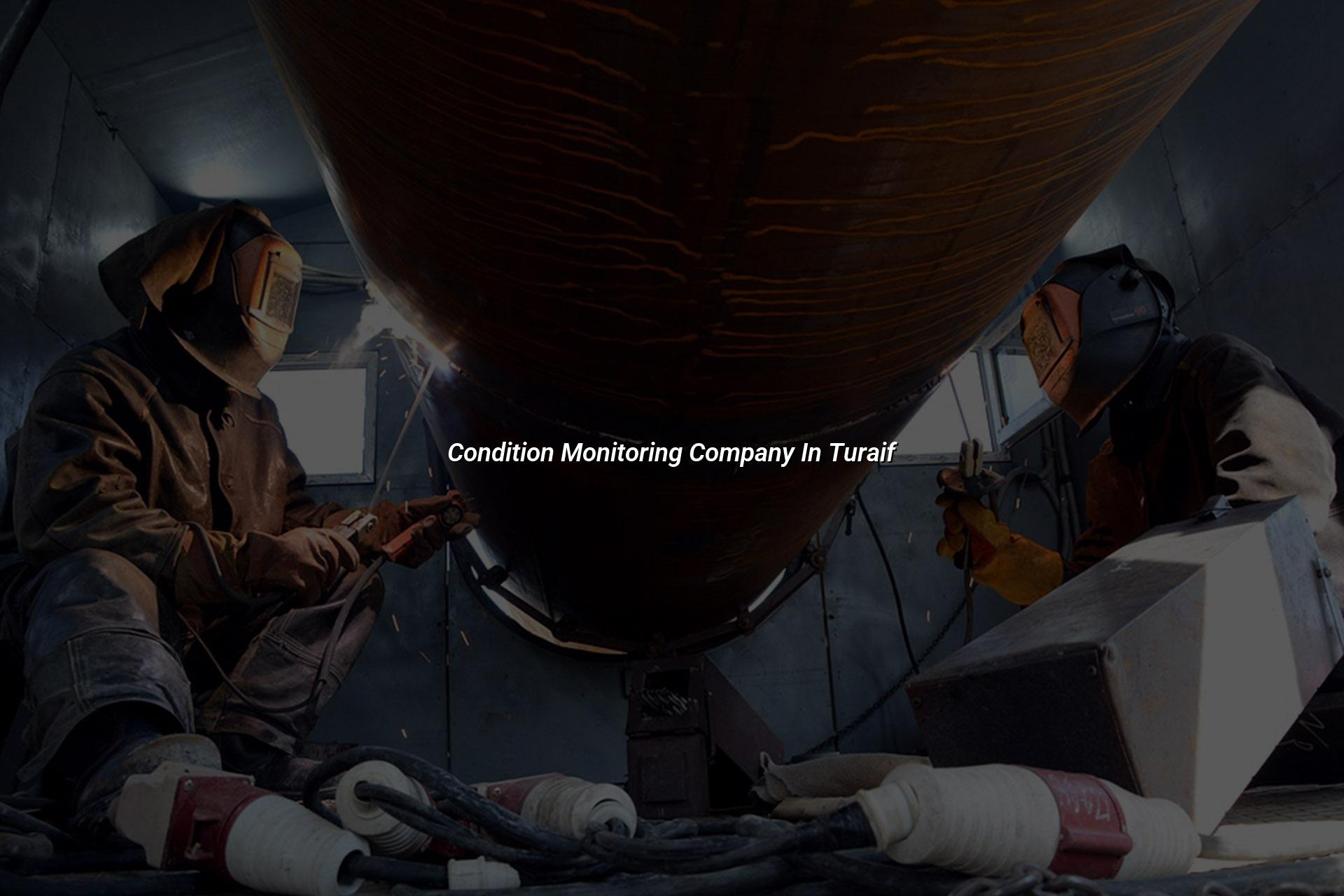
Condition monitoring company in Turaif support matters when you're trying to keep rotating equipment, electrical assets and production lines from failing without warning. We help you spot vibration, heat and alignment problems early, so maintenance decisions are based on evidence instead of guesswork.
Our team works with industrial sites across Saudi Arabia and the wider Middle East, including oil and gas, petrochemical, power and cold-chain operations. From our condition monitoring services and ISO/IEC 17025 calibration base, we bring the kind of traceability maintenance managers expect when equipment uptime has to be defended in front of operations and QA teams.
Condition Monitoring Company in Turaif for Uptime and Fault Detection
Most teams in Turaif call us after they have already seen the warning signs: rising motor current, unusual bearing noise, a hot panel, or a pump that starts shaking only under load. That is where a proper condition monitoring company in Turaif earns its place. You need more than a quick look. You need vibration analysis, laser shaft alignment, infrared thermography and fault diagnostics that point to the real cause, not just the symptom.
What we check during a visit
We focus on the equipment that tends to cause the biggest downtime: motors, pumps, compressors, gearboxes, fans, blowers, switchgear and connected process skids. Onsite readings are compared with the machine's normal behaviour, then we flag trends such as imbalance, looseness, misalignment, bearing wear, electrical heating or lubrication issues. If a machine needs deeper work, we can support repair and maintenance planning so you don't lose time repeating the same failure.
Why local sites ask for condition-based maintenance
In Saudi industrial zones, maintenance windows are often tight. A plant may have one shot to service a critical line before the next shift or production run. That is why condition monitoring is so useful. It helps you decide what can keep running, what needs attention now, and what should be scheduled with parts and manpower already lined up. In practice, that means fewer surprises and less pressure on the maintenance crew.
- Identify the critical asset — we start with the machine that would hurt production most if it stopped.
- Record the baseline — vibration, temperature, alignment and operating notes are captured for comparison.
- Look for the pattern — our team checks whether the issue points to mechanical, electrical or process-related trouble.
- Plan the corrective work — you get a practical recommendation for shutdown, repair, calibration or follow-up monitoring.
- Early detection of bearing, balance and alignment faults before they become breakdowns
- Infrared thermography for panels, breakers, cables and hot spots in electrical rooms
- Laser shaft alignment for pumps and motor-driven equipment after installation or overhaul
- Fault diagnostics that help maintenance teams decide what to repair first
Which Condition Monitoring Method Fits the Job?
| Method | What it helps find | Typical plant use |
|---|---|---|
| Vibration analysis | Imbalance, misalignment, looseness and bearing wear | Motors, pumps, compressors, fans and gearboxes |
| Infrared thermography | Hot connections, overloaded circuits and thermal defects | Panels, switchgear, cables and substation rooms |
| Laser shaft alignment | Angular and parallel misalignment between coupled machines | After installation, overhaul or repeated coupling issues |
| Ultrasound monitoring | Air leaks, bearing distress and certain electrical problems | Compressed air lines, rotating equipment and utility systems |
How We Read the Results and Turn Them Into Action
Good monitoring is useless if the report just sits in an inbox. We keep the output practical. If the data suggests a misalignment issue, we can move toward laser alignment. If thermography shows a panel hot spot, your electrical team gets a clear focus area for testing and commissioning work. If the machine needs a follow-up check after correction, we can repeat the reading and confirm whether the trend has settled.
That is where standards matter
Industrial buyers in Saudi Arabia usually want traceability, not vague comments. Our calibration and testing work is supported by ISO/IEC 17025:2017 competence, ISO 9001:2015 quality management, BS EN standards for lifting and inspection work, and EURAMET CG-15 for electrical calibration. That gives your team a cleaner paper trail when audits, client reviews or internal investigations come up.
Predictive maintenance that fits real sites
We work around the schedule your plant can actually support. Onsite access, mobile-lab capability and temperature-controlled handling for sensitive instruments help us keep the work practical, especially when equipment can't be moved easily from the site.
From First Reading to Maintenance Decision
After the first inspection, the useful work begins. One reading gives you a snapshot. Repeated readings tell you whether a fault is stable, getting worse or tied to a process change. That's why many maintenance managers prefer a planned monitoring cycle instead of reacting only when a machine fails. In our experience, that second or third check is often where the pattern becomes obvious.
If the machine is part of a critical line, we can pair condition monitoring with related services such as mechanical services, electrical testing and commissioning, and repair and maintenance. That combination matters in places like Dammam, Jubail and industrial areas around northern Saudi Arabia, where downtime can ripple across several shifts very quickly.
We also support teams that are setting up or expanding a maintenance program. That can include deciding which assets should be on vibration watch, which switchboards deserve regular thermographic scans and which motors need alignment checks after overhaul. For clients with multiple facilities, the point is consistency: the same type of reading, the same logic, the same follow-up.
When the condition monitoring data points to a calibration issue, we can use our ISO/IEC 17025 calibration services to check the instruments involved. That matters when a sensor, transmitter or test gauge is affecting your readings and you need to know the numbers are trustworthy.
How Mayon Industrial Services Can Help
We support plants in Turaif with vibration analysis, laser shaft alignment, infrared thermography, ultrasound monitoring and the follow-up work that often comes after a fault is found. If your issue sits across mechanical, electrical or instrumentation boundaries, our team can bring the right mix of condition monitoring, calibration and testing support so the job moves forward without guesswork.
Call +91 99447 80844 (India) or +966 59 633 8012 (Saudi Arabia), email services@mayonservices.com, or message us on WhatsApp.
Frequently Asked Questions
We inspect equipment in service, collect readings, and compare them with expected behaviour. The goal is to catch faults like misalignment, bearing wear, looseness or overheating before they turn into an unplanned stop. Most clients want clear next steps, not just a graph, so we keep the findings practical.
Yes, onsite work is a normal part of what we do in Saudi Arabia. That matters because the machine stays in its real operating condition, which often gives a more honest result than testing it after removal. It also saves time when the asset is too large or too critical to move.
Start with the assets that would hurt production most if they stopped. For many plants that means pumps, motors, compressors, fans, gearboxes, panels and critical distribution equipment. If a machine has a history of repeat breakdowns, it belongs on the list too.
That depends on the machine's duty, history and criticality. A heavily loaded pump or compressor may need more frequent checks than a standby unit. We usually help teams set the interval after seeing the asset's actual condition and how quickly the readings change.
We can support the full path, from detection to corrective work. That can include laser alignment, mechanical services, electrical testing and commissioning, repair and maintenance, or calibration if the instrument itself is causing the issue. One team handling the chain usually keeps things cleaner.
Ready to keep the next shutdown on your terms?
If your plant in Turaif needs clearer fault data, better maintenance planning or onsite monitoring support, talk to Mayon Industrial Services.
Contact Mayon