
Dead Weight Tester Supplier in Hail
Source pressure standards and calibration support for Hail from a team that works to traceability, not guesswork.
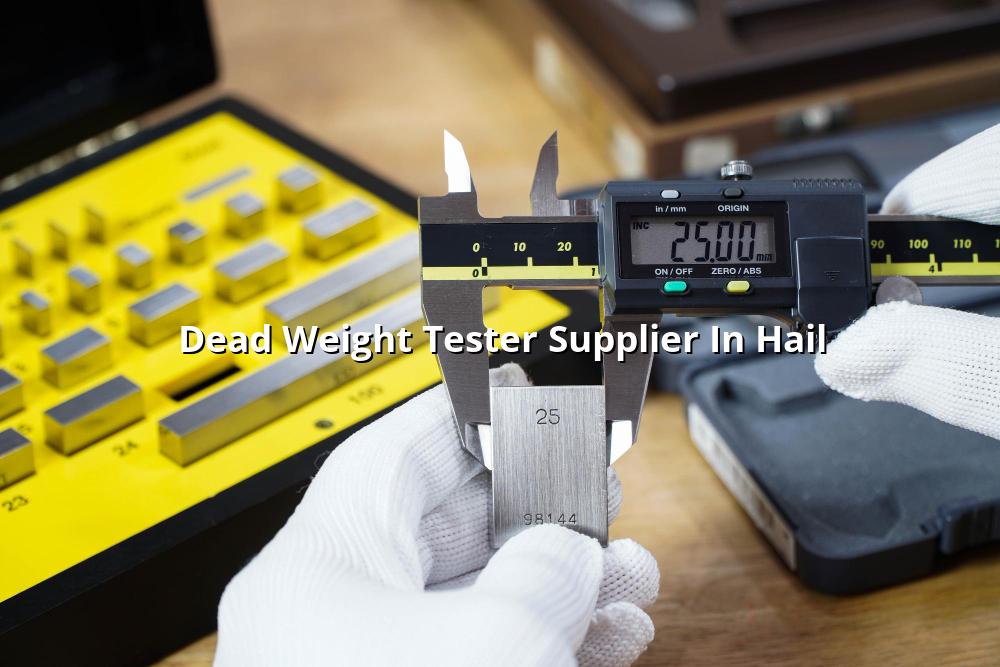
Dead weight tester supplier in Hail searches usually come from one of two needs: you need a dependable pressure standard, or you need a team that can keep your calibration chain defensible. We help with both, and we keep the conversation practical from the first call.
For workshops, maintenance teams, and calibration labs in Hail and nearby industrial zones, the real issue is traceability. A dead weight tester only earns its place when the mass set, piston-cylinder assembly, and pressure output are handled with care, documented properly, and supported by people who understand ISO/IEC 17025:2017 work in Saudi Arabia and the wider GCC.
Choosing a Dead Weight Tester Supplier in Hail
Most buyers are not looking for a fancy brochure. They want a supplier who can help with pressure ranges, local use conditions, calibration documents, and support when a comparator or gauge bank needs checking. That is where the supplier choice matters more than the metal body on the bench.
Pressure control that matches the job
A dead weight tester is used when you need stable, repeatable pressure generation for gauges, transmitters, switches, and related equipment. In oil & gas, petrochemical, power, and manufacturing work around Hail, the kit has to match the pressure range you actually use, not the one that looks best on paper. If the piston system is not clean, level, and maintained, the readings suffer quickly.
Traceability and documentation
People often ask about the equipment first, but the paperwork is what carries the weight in audits. We look at serial numbers, correction data, calibration status, and how the instrument fits into your measurement chain. That matters in Saudi projects where clients expect organized records and a clear link to ISO/IEC 17025:2017 calibration practice.
- Confirm the application — define whether the tester is for gauges, transmitters, switches, or lab reference use.
- Match the pressure range — choose a unit that suits your working range instead of forcing one tool to cover everything.
- Check the build and accessories — review the mass set, piston-cylinder arrangement, pump type, and case protection for transport.
- Plan calibration and upkeep — keep a clear schedule for inspection, cleaning, and re-calibration so the standard stays dependable.
- Use a level surface and stable environment before taking readings.
- Keep the piston and weights clean; dust changes the feel and can affect use.
- Ask for calibration records that show traceability, not a generic statement.
- Match seals, fittings, and adapters to the pressure medium you use on site.
What to Compare Before You Source a Dead Weight Tester
| Check Point | Why It Matters | What Good Looks Like |
|---|---|---|
| Pressure range | It must suit your gauges and transmitters. | Enough coverage for daily work without forcing unsafe shortcuts. |
| Traceability | Audit trails depend on it. | Documented calibration linked to recognized standards and serial numbers. |
| Condition and handling | Wear affects repeatability. | Clean piston parts, proper storage, and careful transport. |
| Support scope | Some buyers need more than supply. | Help with calibration, maintenance, and replacement accessories when needed. |
Why Hail Teams Ask for More Than Supply
A lot of procurement teams want a supplier who can stay involved after delivery. That usually means calibration, setup advice, and service support when the unit is moved between a lab and a field job. In our experience, that second part matters just as much as the initial purchase.
Field use, lab use, and storage all differ
A dead weight tester kept in a controlled lab behaves differently from one moved between plant areas, stores, and project trailers. Hail projects can involve hot yards, shared workshops, and changing workspaces, so a supplier should be ready to talk about transport, protection, and the clean conditions needed for accurate use.
What serious buyers usually ask for
Pressure standards, calibration records, adapter compatibility, and service support after the sale. They also want a supplier who understands how that equipment fits into shutdowns, QA checks, and incoming inspection routines.
Where Dead Weight Testers Fit in Industrial Work
In oil & gas and petrochemical work, pressure gauges are only useful if the reference standard is trusted. A dead weight tester gives a stable benchmark when you need to verify instruments before a shutdown, during preventive maintenance, or after a repair.
In power plants, manufacturing lines, and service workshops, the same idea applies. Teams need a standard they can repeat, document, and defend when a client or internal auditor asks how the reading was checked.
How Mayon Industrial Services Can Help
We support buyers who need a dead weight tester supplier in Hail with the full picture: pressure calibration, documentation, setup advice, and related mechanical or inspection work if your site needs it. Our team also handles calibration services, condition monitoring, and equipment support across Saudi Arabia, India, and the Middle East, so you're not left stitching together different vendors.
Call +91 99447 80844 (India) or +966 59 633 8012 (Saudi Arabia), email services@mayonservices.com, or message us on WhatsApp.
Frequently Asked Questions
Yes — if you need one in Hail, look for a supplier that can do more than sell the unit. You want pressure calibration support, traceability, and someone who understands how the tester will be used on your site or in your lab. For industrial buyers, that saves time later when records are checked.
Start with the instruments you verify most often. If your daily work sits around one range and your occasional work sits in another, don't pick a tester just because it sounds versatile. A well-matched range is easier to use, safer to handle, and more believable in audits.
It can be part of that work when it is properly maintained and documented. The tester itself is only one piece; the calibration records, handling, and traceability chain matter just as much. That is why labs and service teams keep the paperwork tight from the start.
We support Saudi Arabia and the wider Middle East, including Hail projects, with industrial calibration and engineering services. That usually means talking through the application first, then arranging the right support path for your site, lab, or maintenance team.
Ask for calibration records, serial numbers, and any traceability information tied to the tester or its accessories. If you are using the unit in a regulated environment, keep the model details, condition notes, and service history in one place. That makes internal review much easier.
Ready to source pressure equipment that you can trust?
If your Hail team needs a dead weight tester, start with a supplier who understands calibration, documentation, and real industrial use.
Contact Mayon