
Dead Weight Tester Supplier in Saudi Arabia
Traceable pressure calibration equipment, onsite support, and practical guidance for Saudi industrial teams.
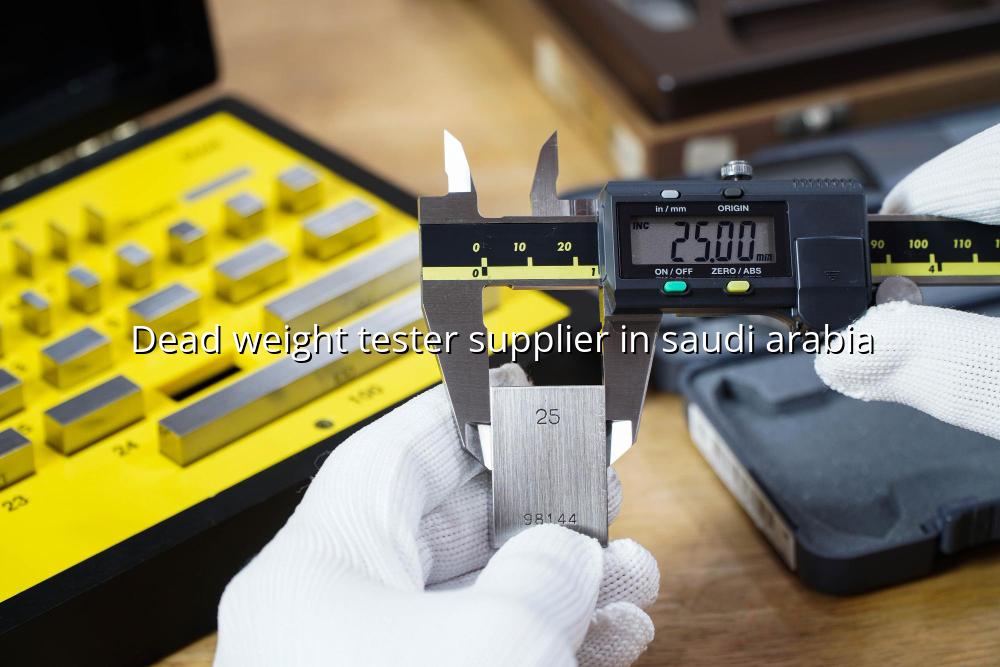
Dead weight tester supplier in Saudi Arabia searches usually come from teams that need dependable pressure reference equipment, not a brochure full of noise. If you're maintaining gauges, transmitters, or test benches in Dammam, Jubail, Riyadh, or a plant site in the Eastern Province, you want equipment that supports stable readings and a clean calibration workflow.
We work with industrial customers who care about repeatability, traceability, and practical field use. That means pressure calibration support that fits refinery shutdowns, maintenance windows, and QA routines across Saudi Arabia and the wider GCC, backed by our ISO/IEC 17025:2017 laboratory discipline and onsite service model.
Choosing a Dead Weight Tester Supplier in Saudi Arabia
When a maintenance manager asks for a dead weight tester, the real question is usually about pressure range, local support, and whether the system will hold up in day-to-day use. In Saudi industrial work, that often means a unit has to support calibration of pressure gauges, transmitters, switches, and safety-related instruments without creating extra handling or transport problems.
What good procurement looks like
A sensible purchase starts with the application, not the catalogue. If you're servicing field instruments for oil and gas or petrochemical work, you may need a hydraulic dead weight tester for higher pressure ranges, while workshop teams handling lower ranges may prefer a compact setup that is easier to keep in a controlled area. Our customers also ask about local service, pick-up support, and whether the product can fit the same quality system they already use for calibration records and audits.
Why Saudi sites care about traceability
Saudi plants often work under tight inspection discipline. That makes traceability, documentation, and instrument condition part of the decision. A dead weight tester is only useful if the team can trust the mass set, piston-cylinder assembly, fluid condition, and environmental handling. We see the same pattern in power stations, fabrication yards, and cold-chain projects: the equipment is bought for reliability, then judged on how well it supports the monthly or shutdown calibration routine.
- Define the pressure range — match the tester to the gauges and transmitters you actually calibrate.
- Check the medium — choose hydraulic or pneumatic use based on your application and safety controls.
- Confirm traceability needs — make sure the equipment fits your internal QA and audit trail.
- Plan support and storage — think about onsite use, laboratory use, and how the unit will be protected between jobs.
- Ask for the pressure range that matches your instrument fleet, not just the biggest number on paper.
- Keep the tester in a stable, controlled area where contamination and rough handling are avoided.
- Verify whether you need a portable unit for site work or a bench unit for lab use.
- Use clear calibration records so operators can track drift, repairs, and rechecks.
- Align the purchase with your shutdown schedule, not with a generic purchasing cycle.
Dead Weight Tester Options for Industrial Use
| Buyer need | Typical setup | Why it matters |
|---|---|---|
| Pressure gauge calibration | Hydraulic dead weight tester | Supports stable reference pressure for workshop and field checks |
| Transmitter verification | Higher-range pressure standard with clean fluid handling | Helps maintain repeatable readings during routine maintenance |
| Onsite work at plant sites | Portable setup with proper transport protection | Useful for Saudi shutdowns and maintenance campaigns |
| Quality system use | Equipment with traceable documentation and clear identification | Fits audit-ready calibration and record control |
How the Right Tester Reduces Risk
A well-chosen dead weight tester does more than measure pressure. It supports maintenance decisions, helps spot instrument drift before it becomes a process problem, and gives technicians a known reference during calibration work. In our experience, the teams that look after the storage conditions and keep the fluid clean get far fewer complaints from the shop floor.
Common mistakes we see
One mistake is buying for a future range that never gets used, then struggling with size and handling. Another is treating calibration equipment like a commodity. For a Saudi plant, that usually turns into avoidable downtime because the reference standard is awkward to move, hard to document, or not suited to the actual instrument mix on site.
What our customers usually need
Pressure calibration equipment that works in real plant conditions, can be supported locally, and fits the same quality discipline used for ISO/IEC 17025:2017 traceability and internal inspections. That is the practical test, not just the product label.
Where Dead Weight Testers Fit in Saudi Industry
Oil and gas contractors in Saudi Arabia often need pressure reference equipment for pumps, separators, hydraulic systems, and test benches. Petrochemical sites use the same type of equipment for routine verification during maintenance shutdowns. In power plants, it can support checks on pressure devices tied to auxiliaries and process systems. That wide spread of use is why buyers search for a supplier who understands both equipment and the work around it.
We also see interest from fabrication yards and industrial service companies that need support beyond the sale. They want help with calibration setup, handling, and future maintenance, not just a shipment. If you're building a lab in the Eastern Province or standardising pressure tools across multiple sites, the decision should include the service model, not only the hardware.
How Mayon Industrial Services Can Help
We support Saudi customers who need pressure calibration equipment, calibration services, and practical advice before they buy. Our team can help you match the dead weight tester to your actual instrument range, your onsite workflow, and the documentation your QA team expects. If you also need laboratory setup, repair support, or calibration services around the same project, we can keep the whole job under one roof.
Call +91 99447 80844 (India) or +966 59 633 8012 (Saudi Arabia), email services@mayonservices.com, or message us on WhatsApp.
Frequently Asked Questions
Yes — if you're looking for a supplier in Saudi Arabia, you should start with someone who understands pressure calibration, not just product selling. The real value is support with application matching, traceability, and service for the instruments around the tester. We work with Saudi industrial customers from Dammam Industrial City 2 and support project needs across the Kingdom.
It is used as a pressure reference for checking gauges, transmitters, switches, and similar instruments. In practice, technicians use it to compare the device under test against a known pressure standard. That makes it useful in oil and gas, petrochemical, power, and maintenance workshops where pressure readings affect process safety and performance.
Often, yes — especially if your work involves higher pressure ranges or hydraulic process equipment. A hydraulic model is common in industrial settings because it suits many workshop and site applications. The right choice still depends on your range, the instruments you calibrate, and how portable the unit needs to be.
Yes, they do. Any reference instrument used in quality work should be looked after and verified so your results stay dependable. The way the equipment is handled, stored, and cleaned matters too, because contamination or worn components can affect trust in the readings.
Yes, we can support onsite work for Saudi customers through our industrial services model. That can include calibration support, pickup and delivery where needed, and advice on how to handle instruments that need controlled conditions. It suits plants that want fewer stoppages and cleaner control over their calibration records.
We most often see interest from oil and gas, petrochemical, power, construction, manufacturing, and engineering teams. Cold-chain and healthcare projects can also need pressure-related calibration support when they run systems with strict maintenance controls. The common thread is the need for traceable pressure reference equipment that fits real site conditions.
Ready to source pressure calibration equipment with local support?
If you need a dead weight tester supplier in Saudi Arabia, we can help you choose equipment that fits your instruments, site workflow, and quality system.
Contact Mayon