
Inspection Training in Saudi Arabia
Practical inspection training for teams who need better checks, cleaner records and safer decisions on site.
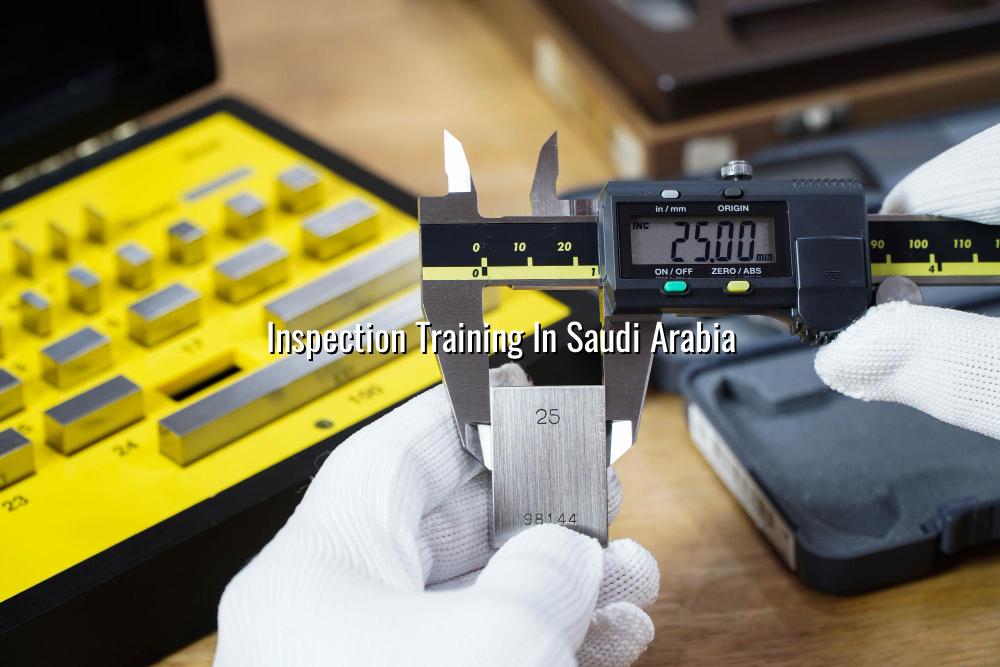
Inspection training in Saudi Arabia matters when your team has to make clear calls on lifting gear, plant equipment and PPE without slowing the job down. We build the session around what your inspectors actually see in Dammam Industrial City, across shutdown crews, fabrication yards and maintenance stores.
At Mayon Industrial Services, we keep the focus practical. That means fault finding, record checks, visual inspection discipline and how to work with BS EN standards in a real industrial setting, not a classroom full of theory that gets forgotten by next week.
What Inspection Training in Saudi Arabia Should Cover
Good inspection training is never just a slide deck. Your team needs to recognise damage, understand acceptance limits, document findings properly and know when an item should be kept in service, quarantined or sent for further testing. In Saudi projects, especially in oil & gas, petrochemical, power and construction work, that judgement has to be consistent because one weak inspection record can ripple into downtime, audit queries or a safety issue on the next shift.
Why inspection teams need structured refreshers
Most supervisors call us after they have seen the same mistake twice: missing markings, incomplete checklists, poor tag control or a report that does not match the equipment on the floor. A refresher helps the team reset its standard. We cover the basic logic of inspection, then work through examples from lifting accessories, hand tools, PPE and production support items so the group can see how the same rule changes slightly from one asset to another.
What the session looks like in practice
We usually work from samples, photos and site examples. If your team handles lifting gear, NDT follow-up checks or PPE screening, we build the session around those items. If the requirement is broader, we can include the link between inspection, calibration records and maintenance logs, because in the field those three usually sit together. The point is simple: trained inspectors spot issues earlier and explain them better.
- Start with the asset list — we map the equipment types your team sees most often, from lifting accessories to site PPE and support tools.
- Review the standard and acceptance points — we explain the BS EN references that matter to the inspection scope and the marks or defects to look for.
- Practise the inspection walk-through — the group learns what to check first, how to note a defect and how to keep the sequence consistent.
- Close with reporting and sign-off — we show how to write a clear finding, attach evidence and keep the record clean for QA or client review.
- Use real photos from your own workshop or site; people learn faster when they recognise the equipment.
- Include borderline examples, not just obvious failures, so the team learns judgement as well as theory.
- Keep the checklist short enough that inspectors will actually use it during a busy shift.
- Link the training to your reporting format, tag colours and document control process.
- Revisit the weak points after a few weeks; that second review is where habits usually stick.
Typical Modules We Include in Inspection Training
| Module | What the Team Learns | Where It Helps |
|---|---|---|
| Lifting equipment inspection | Visual checks, damage recognition, traceability and basic rejection points | Rigs, yards, maintenance shutdowns and fabrication areas |
| PPE inspection | Wear patterns, expiry signs, fit checks and safe removal from service | Construction, plant maintenance and confined-area support work |
| NDT follow-up checks | How to read findings, mark suspect items and route them for next-level testing | Repair shops, pressure equipment and structural support items |
| Record keeping | Clear reporting, photo evidence, tagging and handover notes | QA systems, client audits and internal compliance reviews |
Why Saudi Teams Ask for Inspection Training Again and Again
Saudi industrial sites run on pace. Jobs move fast, equipment changes hands, and a missed tag or unclear defect note can waste time for everyone. That is why inspection training has value beyond compliance. It gives supervisors and technicians a shared way to judge an item, write the result and act on it without argument on the shop floor. We also tie the material back to ISO 9001:2015 quality practice and the traceability mindset expected in ISO/IEC 17025:2017 environments.
Training that fits mixed teams
We often train groups made up of maintenance staff, QA people and new inspectors in the same room. That mix works well if the language stays plain and the examples are real. A fitter may see surface damage first, while a QA lead is looking at document gaps. When both views are discussed together, the inspection process gets much tighter.
Built for field use, not theory
Our sessions are shaped for Saudi Arabia’s industrial reality: oil & gas packages, petrochemical plants, power sites, warehouses and cold-chain facilities where inspection has to be quick, repeatable and well documented. We can run the training around your own equipment, or bring the discussion around common examples and defect photos from similar sites.
How We Link Inspection Topics to Real Workflows
For most clients, the biggest gap is not knowing what to inspect. It is knowing how to inspect in a way that holds up during an internal review or client audit. We cover document control, defect classification, equipment identification, and the handover between inspection and maintenance. Where the scope includes lifting equipment, we align the discussion with BS EN standards so your team understands the basic expectations behind the check, the report and the next action.
We also point out where inspection sits next to other services. A corroded item may need repair and maintenance. A measurement tool may need calibration before anyone trusts its reading. A suspect pipe or weld may need a more formal testing route. That wider view helps inspectors make better calls instead of treating every defect the same.
How Mayon Industrial Services Can Help
We train inspection teams alongside the services they touch every day, so the content feels grounded. That means lifting-equipment inspection, NDT support, PPE checks, calibration awareness and maintenance handover discipline. If your site in Saudi Arabia needs a practical session for inspectors, supervisors or QA staff, we can shape the workshop around the equipment and records you already use.
Call +91 99447 80844 (India) or +966 59 633 8012 (Saudi Arabia), email services@mayonservices.com, or message us on WhatsApp.
Frequently Asked Questions
It usually covers visual inspection steps, defect recognition, tagging, reporting and the standards behind the checks. For many clients, we also include lifting equipment, PPE and basic NDT follow-up so the team understands where one inspection ends and the next level of testing begins.
Yes, we can deliver the session in Saudi Arabia and shape it around your site conditions, equipment and reporting format. That works well when the team needs training that matches the same assets they inspect every week.
Yes, that is one of the most common uses. We cover damage signs, traceability, safe removal from service and the sort of reporting that makes sense to maintenance and QA teams on the next shift.
We do, where the scope calls for it. The idea is not to drown people in clauses; it is to show the team what the standard means when they are checking real equipment and writing a real report.
Yes. In practice, inspectors often need to know when an item should go to calibration, repair or further testing, so we can include that flow in the workshop. It keeps the decision-making cleaner and avoids unnecessary back-and-forth between teams.
Usually inspectors, QA staff, maintenance supervisors and anyone who signs off equipment for use. If the site is busy, mixed groups work fine as long as the examples are tied to the same equipment family and the reporting method is clear.
Ready to train your inspection team properly?
If you want inspection training that matches Saudi site conditions and gives your team clearer checks, cleaner records and better handover decisions, we’re ready to help.
Contact MayonIf your inspectors need a sharper routine and better confidence on site, this is a good place to start. Mayon Industrial Services brings the same practical mindset we use in calibration, inspection and engineering work across Saudi Arabia, India and the Middle East, and that usually makes the training stick.