
Inspection Training in Dammam
Build stronger inspection habits for sites, teams, and third-party checks in Saudi Arabia and the wider Gulf.
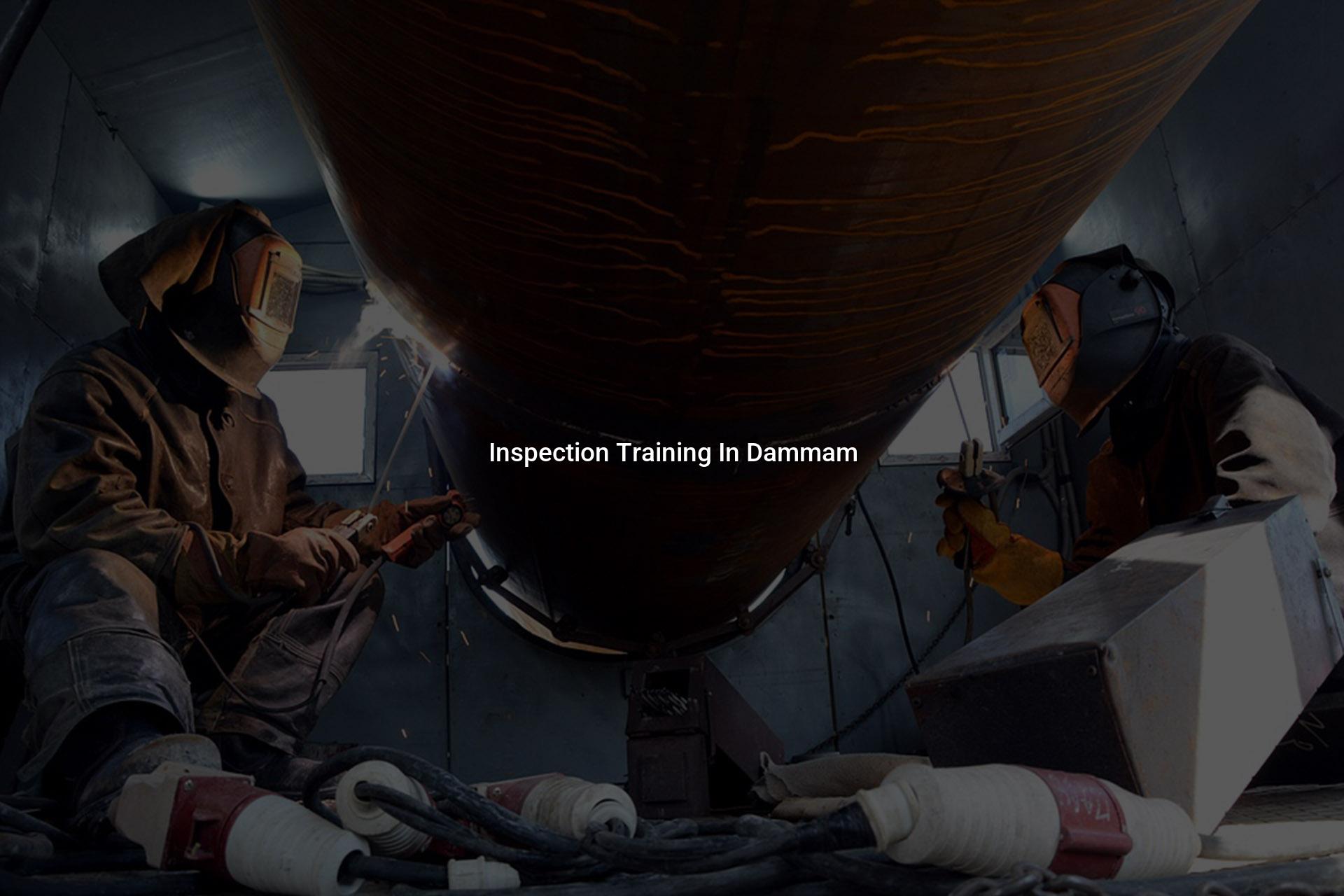
Inspection training in Dammam helps your team spot defects earlier, keep records cleaner, and handle third-party checks with more confidence. If you manage lifting equipment, PPE, welded joints, or site inspection files, this page shows what practical training should cover and how it fits real industrial work.
We see this need often in Dammam Industrial City, Jubail-linked projects, and oil, gas, and maintenance sites across Saudi Arabia. The same lesson applies in Chennai, across India, and in the wider Middle East: teams do better when inspection habits are consistent, documented, and tied to the standard being used.
Inspection Training in Dammam for Practical Site Use
Good inspection training is not theory on a slide deck. In our experience, the best sessions focus on what technicians actually touch every day: lifting accessories, PPE checks, NDT records, visual defect spotting, calibration traceability, and the way a report is written when a supervisor, client, or HSE team asks for evidence. That matters in Saudi projects where site documentation is reviewed closely, and it matters just as much for Indian manufacturers serving export contracts.
What the course should cover
A useful program for inspection training in Dammam should start with the inspection purpose, the asset type, and the acceptance basis. For lifting gear, that can mean tags, serial numbers, usage condition, deformation, wear, corrosion, and proper rejection notes under BS EN-based inspection practices. For PPE, it means visual condition, expiry or service life where applicable, and clear pass or fail decisions that a supervisor can trust.
Why site teams keep asking for this
Most teams do not struggle with the idea of inspection. They struggle with consistency. One person checks a sling carefully, another rushes through it. One report is neat, another is vague. Training closes that gap and gives your team a common language for defects, findings, and records. It also helps when your operations cover multiple shifts or multiple contractors, which is common in Dammam, the Eastern Province, and large industrial camps across the Gulf.
- Start with the asset list — group lifting equipment, NDT items, PPE, and any special tools by inspection type and risk level.
- Set the acceptance basis — use the applicable BS EN requirement, site procedure, or client specification before anyone signs off a result.
- Train the visual check — teach your team how to find wear, distortion, corrosion, cracks, missing markings, and unsafe modifications.
- Practise report writing — record the item identity, observation, decision, and next action so the note is useful at audit time.
- Keep training examples close to the worksite, such as slings, shackles, helmets, gloves, and harnesses.
- Include photos of good and bad conditions so your team sees the difference fast.
- Use the same wording for defects every time; vague notes waste time during reviews.
- Teach staff how to stop and escalate a doubtful item instead of guessing.
- Close the session with a mock inspection so the lesson turns into a habit.
Typical Modules in Inspection Training
| Module | Focus Area | Typical Output |
|---|---|---|
| Lifting Equipment | Visual checks, tags, wear, deformation, safe rejection notes | Clear pass/fail inspection record |
| PPE Inspection | Condition, damage, serviceability, use limits | Site-ready PPE inspection log |
| NDT Support | Basic defect awareness, surface condition, report reading | Better coordination with NDT teams |
| Documentation | Identity control, findings, traceability, signatures | Audit-friendly inspection file |
How Good Inspection Practice Protects Worksites
Strong inspection training reduces avoidable rework and helps your supervisors make cleaner decisions. On lifting and third-party inspection jobs, the people doing the frontline check need to understand BS EN-based expectations, the site risk picture, and when an item should be removed from service. That simple discipline lowers confusion during shutdowns, maintenance stops, and handover checks.
Records matter as much as the inspection
A report is only useful when another person can read it six weeks later and still know what was checked, what failed, and what action was taken. We build that habit into training because it saves time during audits and client reviews. For mixed teams in Saudi Arabia, that also helps when a contractor, owner, and maintenance crew all need the same answer from the same record.
Training that fits real inspection work
We keep the course grounded in live industrial use, not classroom theory. That means practical examples from lifting gear, PPE, site inspection notes, and basic defect recognition. The goal is simple: your team should leave able to inspect, record, and escalate with less hesitation.
What Teams Usually Need Before Training Starts
Before a session begins, it helps to know the site type, the equipment list, and the current inspection pain points. A refinery workshop in the Eastern Province will not need the exact same examples as a construction yard or a cold-chain facility. That is why we ask for the actual items your people inspect and the documents they struggle with most.
We also find that mixed groups work better when the supervisor, inspector, and maintenance lead sit together. The team hears the same rules, the same limits, and the same reporting style. If you have staff who work between Saudi Arabia and India, training becomes even more useful because the same method can be applied across more than one location.
- Current inspection forms and checklists
- Sample equipment or photographs from the site
- The standards or client specs used on the job
- Common defect types your team keeps seeing
- A short list of staff roles attending the session
How Mayon Industrial Services Can Help
We run inspection-related training alongside our calibration, inspection, and engineering work, so the advice comes from real site practice. Our team supports lifting-equipment inspection, NDT awareness, PPE checks, and the documentation habits that make audits easier to handle. If you need inspection training in Dammam for a site crew, a maintenance team, or a mixed contractor group, we can shape it around your work.
Call +91 99447 80844 (India) or +966 59 633 8012 (Saudi Arabia), email services@mayonservices.com, or message us on WhatsApp.
Frequently Asked Questions
It usually covers how to inspect equipment, identify defects, record findings, and decide when an item needs to be held back from use. For industrial teams, that often includes lifting gear, PPE, and basic NDT-related awareness. We also cover the paperwork side, because a clean report saves time when a client asks for proof.
Yes, where the site or client needs it. We use BS EN-based inspection practices as the reference for lifting and inspection work, then tie that to the actual items your team handles on site. That keeps the training practical instead of abstract.
Yes. That actually works well on most sites because the supervisor hears how the inspection is done, and the technician hears what the report must prove. It cuts down on arguments later when a defect has to be explained or escalated.
We do. PPE inspection is a common part of site safety routines, and staff often need help with consistent visual checks, damage recognition, and pass or fail decisions. We keep the discussion tied to what your team actually uses on the job.
Yes, we support clients across Saudi Arabia, India, and the wider Middle East. The exact session content changes with the worksite, but the inspection discipline stays the same. That helps when teams operate across more than one country or project yard.
Ready to train your inspection team properly?
If your crew needs better inspection habits, clearer records, and stronger field confidence, talk to Mayon Industrial Services and get the discussion started.
Contact Mayon