
PPE Inspection Company in Saudi Arabia
Practical PPE checks for Saudi worksites, with inspection support for safety teams, contractors and maintenance shutdowns.
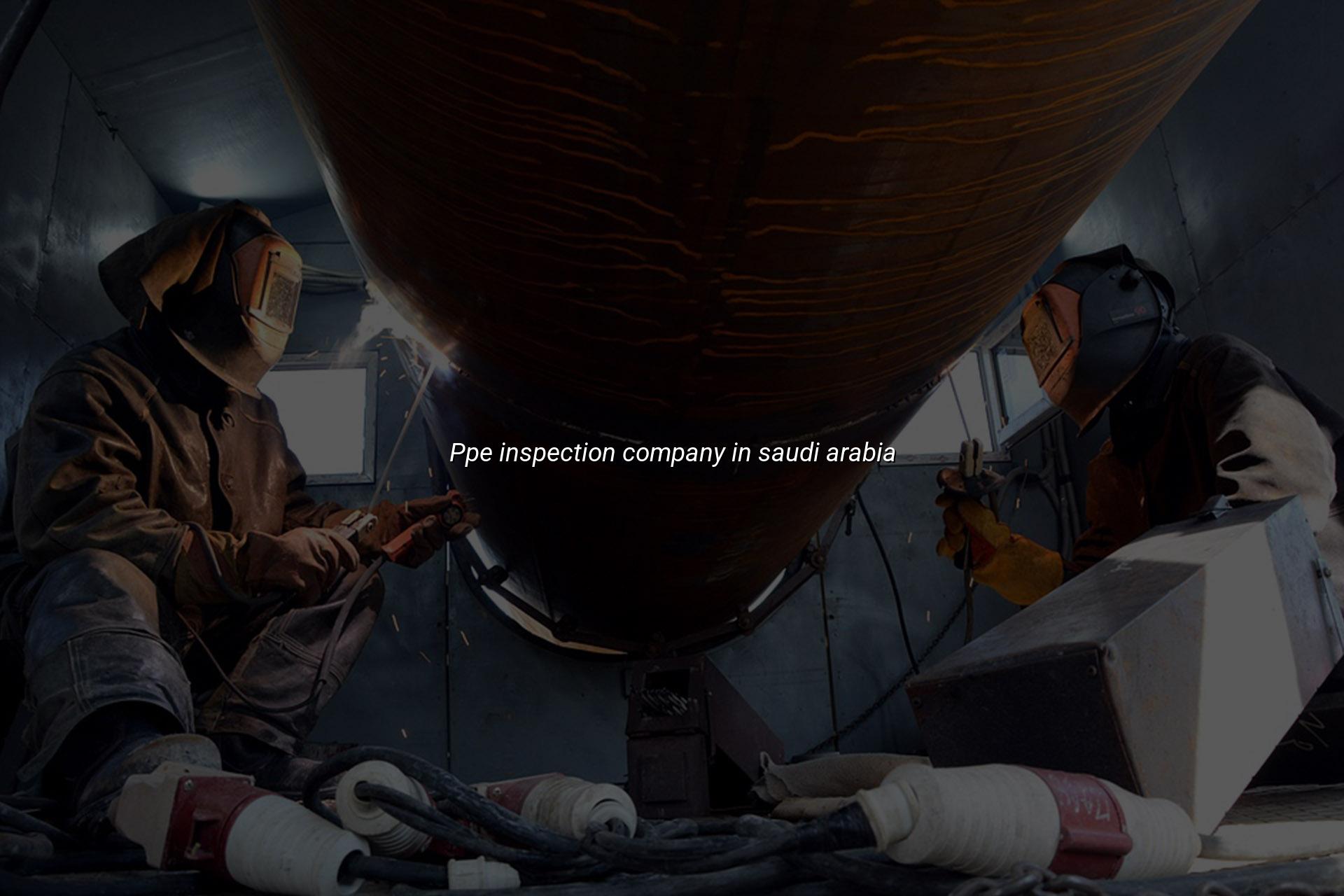
PPE inspection company in Saudi Arabia searches usually come from a real problem: a site needs proof that helmets, gloves, harnesses, eyewear, and other personal protective equipment are being checked properly before people step onto the job. We help teams turn that requirement into a practical inspection routine that stands up to audits and daily use.
From Dammam Industrial City 2 to major oil and gas, petrochemical, power, and construction projects across Saudi Arabia, the pressure is always the same. Supervisors want equipment that is fit for purpose, traceable, and matched to the work in front of them, not just a box ticked at the gate.
PPE inspection company in Saudi Arabia for site safety teams
When a buyer or HSE manager looks for a PPE inspection company in Saudi Arabia, they usually need more than a quick visual check. They need a partner who understands BS EN requirements where they apply, knows how field conditions affect wear and tear, and can inspect PPE in a way that fits live operations in workshops, yards, plants, and shutdown areas.
What we inspect and why it matters
Our inspection work covers the kinds of PPE that see hard use every day: safety helmets, full body harnesses, lanyards, gloves, eye protection, face shields, hearing protection, safety footwear, and related items used by maintenance crews and contractors. In practice, the value is in catching damage early, before cracked shells, frayed stitching, distorted buckles, or chemical wear become a safety issue.
Saudi site conditions change the picture
Heat, dust, UV exposure, splash contamination, and repeated shift-to-shift use all shorten PPE life. That’s common in Eastern Province industrial sites, Ras Tanura support facilities, Jubail-type environments, and coastal work areas where salt and moisture add their own stress. A good inspection routine has to reflect those conditions, not a generic checklist copied from somewhere else.
- Identify the item and duty — we record the PPE type, user category, and where it is being used, because a harness for working at height needs a different level of scrutiny from general site PPE.
- Check the physical condition — we look for cracks, tears, stitching damage, contamination, deformation, worn markings, missing parts, and signs of misuse.
- Compare against acceptance criteria — the item is judged against the relevant safety condition and, where applicable, BS EN-based inspection expectations for lifting and PPE-related control.
- Tag the result clearly — each item is marked pass or fail, with notes that your team can act on immediately.
- Record and follow up — failed items should be quarantined, replaced, or sent for further review before anyone puts them back into service.
- Inspect harness webbing under good light, and check stitching near D-rings and adjustment points.
- Reject helmets with shell cracks, sun damage, or missing suspension parts.
- Look for contamination on gloves and eye protection, especially on chemical and maintenance jobs.
- Keep a simple inspection log so supervisors can see what was checked, when, and by whom.
- Separate daily user checks from formal periodic inspection, because the two serve different purposes.
Common PPE items and what our inspection looks for
| PPE item | Typical issue we check | Action if it fails |
|---|---|---|
| Safety helmet | Cracks, UV damage, missing suspension, unreadable markings | Remove from service and replace |
| Body harness | Frayed webbing, broken stitching, damaged buckles, contamination | Quarantine and reject if unsafe |
| Safety glasses / face shield | Scratches, distortion, broken frames, poor fit | Replace before reissue |
| Gloves and footwear | Tears, worn soles, chemical damage, loss of grip | Send for replacement or reclassification |
Why documented PPE inspection helps on Saudi projects
Documented inspection gives your HSE team a clear line from issue to use to replacement. That matters during internal audits, contractor reviews, and site inductions, especially where multiple vendors share the same workfront and equipment can change hands quickly. It also helps maintenance managers spot recurring damage patterns, such as heat-related deterioration or misuse during shutdown work.
Where the records help most
We see the biggest benefit on sites that manage rotating crews, lifting support activity, and temporary work zones. A written pass/fail record makes it easier to remove unsafe items, brief supervisors, and keep procurement focused on the right replacement stock instead of reacting after a near miss.
Field-ready inspection support
Our team can work onsite in Saudi Arabia, and we also support related calibration, electrical testing, mechanical services, and inspection tasks for plants that prefer one technical partner for several site needs. That makes coordination simpler during planned shutdowns and routine maintenance visits.
What good PPE inspection looks like on site
Good PPE inspection is not just about spotting obvious damage. It also means checking that the item still fits the task, that labels and batch markings can be read, and that the user understands when the equipment has reached the end of safe life. In our experience, the weak point is often not the equipment itself, but the control system around it.
That is why supervisors need a consistent habit: receive, inspect, issue, use, re-check, and retire. The process sounds simple, yet it is where many sites lose control when production pressure rises or subcontractor numbers spike during maintenance season.
- Use a visible inspection status so teams know what is approved.
- Keep failed PPE physically separate from serviceable stock.
- Re-inspect items after incident exposure, chemical contact, or heavy wear.
- Train supervisors to treat damaged PPE as a safety event, not a housekeeping issue.
How Mayon Industrial Services Can Help
We support PPE inspection alongside other site services, so your team can deal with one technical partner for inspections, calibration, mechanical work, and testing where needed. For Saudi Arabia, that means field support from Dammam Industrial City 2 with practical reporting that fits the way industrial sites actually run. If you need help setting up a PPE inspection routine or reviewing a current one, we can talk through the scope and plan the next step.
Call +91 99447 80844 (India) or +966 59 633 8012 (Saudi Arabia), email services@mayonservices.com, or message us on WhatsApp.
Frequently Asked Questions
We check the physical condition, markings, fit-for-use status, and visible damage on the items you’re relying on every day. For work at height gear, that usually means close attention to stitching, buckles, webbing, and contamination. For helmets, eyewear, gloves, and footwear, the focus is on cracks, wear, distortion, and anything that reduces protection.
Daily user checks should happen before use, and formal inspections should be set by your site rules, exposure level, and the type of PPE. A harness used on shutdown work, for example, usually needs a tighter control routine than general site PPE. We help clients set a schedule that makes sense for the actual risk.
Yes. We support onsite work from Saudi Arabia, including industrial areas around Dammam and client locations across the Kingdom. That works well when the site wants faster control over issue, inspection, quarantine, and reissue without moving equipment offsite unless there’s a specific reason to do so.
We provide clear inspection outcomes so your team knows what can stay in service and what should come out of use. Where site procedures require it, we can support traceable documentation and item-level notes. That helps during audits and makes the handover to safety officers much cleaner.
Harnesses, lanyards, helmets, gloves, and eyewear usually show the earliest signs of wear because they’re used every day and handled a lot. On Saudi sites, heat and UV exposure can make the damage show up faster than people expect. We often see issues first in stitching, shell surfaces, elastic parts, and fittings.
Need PPE checks that hold up on site?
Send us your scope and we’ll help you set up a practical inspection plan for Saudi operations, contractor control, and audit readiness.
Contact MayonGood PPE control is really about discipline. If the equipment is checked properly, marked clearly, and removed when it no longer protects the user, the whole site runs safer. That’s the standard we work to, and it’s the standard we bring to every client who needs a reliable partner in Saudi Arabia.