
Electronic Instruments Calibration Company in Duba
Onsite and in-lab calibration support for electronic instruments used in plants, labs, utilities and maintenance teams.
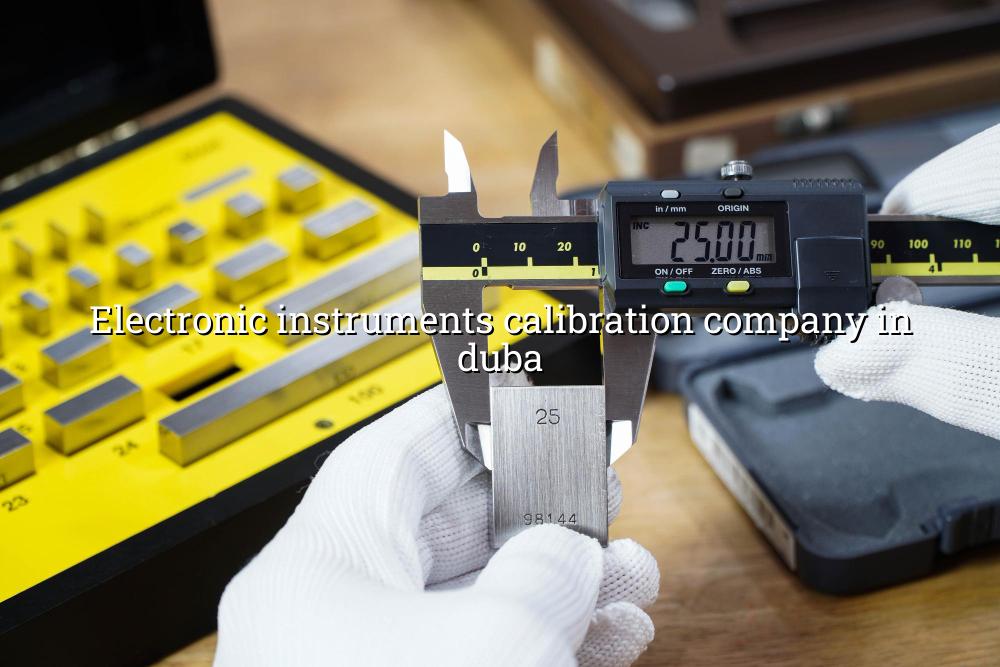
Electronic instruments calibration company in Duba support starts with one simple need: your meters, controllers and test devices must read right before they go back into service. We help you keep that confidence, whether the instrument sits in a control room, a workshop bench or a field cabinet.
Our team works with industrial customers across India, Saudi Arabia and the Middle East, where traceability, repeatable results and clean records matter every day. With an in-house laboratory, a mobile calibration lab and pick-up and delivery for sensitive instruments, we keep the process practical for maintenance and QA teams.
Electronic Instruments Calibration Company in Duba for Industrial Teams
Most requests we get for electronic calibration are not about a single device. They involve a mix of transmitters, indicators, loop check tools, process meters, controllers, gauges with electronic outputs and plant test equipment that all need to behave consistently under real operating conditions. For that reason, the job is not just a quick check; it is a controlled process with documented results, proper reference standards and a clear pass or fail status.
What we normally calibrate
In practice, electronic instruments show up in almost every sector we serve: oil and gas skids, petrochemical lines, power stations, utilities, construction sites, food plants and cold-chain operations. We regularly support teams that need calibration for electrical and electro-technical equipment linked to pressure, temperature, speed, noise or control systems. The aim is simple. Keep the signal trustworthy and the record defensible.
Why onsite work matters
Some instruments are easy to remove. Others are not. If a device is tied into a line, a panel or a production sequence, moving it can create more downtime than the calibration itself. That is where our mobile calibration lab helps. We can come to site for many routine checks, and when an item needs special conditions we arrange pick-up and delivery to our temperature-controlled laboratory.
- Identify the instrument and its role — we check what the instrument does in the process, where it sits and what tolerance the site expects.
- Review the reference and standard — our team matches the job to the correct calibration discipline and traceable equipment.
- Compare readings across test points — we record performance at suitable points so drift, offset or instability is visible.
- Document the outcome clearly — you get traceable results that maintenance and QA teams can use for audit files, handover or corrective action.
- Use onsite calibration when shutdown time is tight and the instrument can stay in place.
- Use in-lab calibration when the instrument needs controlled temperature conditions or special handling.
- Keep serial numbers and service history ready before the visit so the job moves faster.
- Ask for traceability to ISO/IEC 17025:2017 when records must stand up to external review.
Choosing the Right Calibration Route for Electronic Instruments
| Instrument condition | Best route | Why it fits |
|---|---|---|
| Bench meter or portable tester | In-lab calibration | Best when the item can be removed without affecting the process and needs controlled handling. |
| Panel-mounted controller | Onsite calibration | Useful when removal would interrupt production or require extra shutdown work. |
| Sensitive instrument needing special care | Pick-up and delivery plus lab work | Helps protect the item when transport conditions or temperature control matter. |
| Plant instrument with unclear drift history | Inspection first, then calibration | Lets the technician confirm condition, wiring, accessibility and the right test points before starting. |
Why Traceability Matters in Electronic Calibration
When a plant in Chennai, Dammam or anywhere in the GCC asks for calibration records, the real question is usually the same: can you trust the reading when a fault shows up later? That is why we work to ISO/IEC 17025:2017 for calibration competence and keep our process aligned with the quality expectations of industrial clients. For electrical calibration work, EURAMET CG-15 is part of the technical context we use where it fits the discipline.
What good records should show
Good records do not just say the instrument passed. They should show the instrument identity, test condition, reading pattern and the result in a form your team can file, review and reference during audits or maintenance planning. In our experience, the engineers who care about these details are the ones who avoid repeat surprises on the line.
Built for plant and maintenance reality
We support production sites that need neat documentation, practical scheduling and technicians who understand both the instrument and the process around it. That includes high-dependability work for oil and gas, petrochemical, power, healthcare, pharmaceutical, manufacturing and cold-chain operations.
Common Problems We Find Before They Become Downtime
Electronic instruments rarely fail all at once. More often, they drift slowly. A display becomes unstable, a signal shifts at the upper range, a handheld tester starts reading differently from the plant reference, or a control loop begins to look normal while the real process tells another story. That slow drift is exactly why scheduled calibration matters.
We also look for practical issues around the instrument itself. Loose connectors, damaged leads, contamination, poor storage, battery weakness and handling marks can all affect confidence in the reading. If the device needs repair or maintenance before it can be trusted again, we can handle that path too, instead of sending you away with half a fix.
Where this service usually helps most
Maintenance teams use us for instruments tied to commissioning, shutdown work, routine checks and recurring audit preparation. QA managers usually want a clean record trail. Procurement teams want a supplier who can cover multiple sites without making the process harder than it already is. That mix is where a specialized calibration company earns its keep.
- Drift at one end of the range while the rest of the reading looks normal.
- Intermittent display or unstable signal output during routine checks.
- Damage to leads, probes, connectors or instrument housings.
- Missing service history or unclear last-calibration dates.
How Mayon Industrial Services Can Help
If you need an electronic instruments calibration company in Duba for plant equipment, test gear or bench instruments, we can handle the work through our ISO/IEC 17025:2017 calibration setup. Our team supports onsite checks, in-lab work, mobile calibration visits, inspection, mechanical support and lab setup, so you’re not chasing several vendors for one maintenance window.
We work with customers who need traceable results, clear paperwork and a technician who understands industrial schedules. If your team wants to book a visit or ask about a specific instrument, get in touch and we’ll help you sort the right route.
Call +91 99447 80844 (India) or +966 59 633 8012 (Saudi Arabia), email services@mayonservices.com, or message us on WhatsApp.
Frequently Asked Questions
We usually calibrate meters, controllers, transmitters, indicators, handheld testers and other electronic devices used in plant and maintenance work. The exact scope depends on the instrument type and where it is used. If it’s linked to process control or test records, we’ll usually review the setup first so the right method is used.
Yes, for many routine jobs we can come onsite with our mobile calibration lab. That works well when the instrument is installed in a line, panel or control room and removing it would waste time. If special handling or controlled conditions are needed, we may suggest lab work instead.
It matters because industrial clients need confidence that the measurement process is controlled and traceable. ISO/IEC 17025:2017 is the competence framework used for calibration and testing work, so it helps your records carry weight during audits, vendor reviews and internal quality checks.
Yes. If an instrument needs special care or controlled handling, we can arrange pick-up and delivery so it reaches the lab in the right condition. That is useful for devices that should not be moved casually from site to site.
We see regular demand from oil and gas, petrochemical, power, construction, healthcare, pharmaceutical, cold chain, food and beverage, manufacturing and engineering sites. These are the places where bad readings can affect product quality, safety or uptime very quickly.
If the reading looks unstable, the result no longer matches the process, the service record is overdue, or a project audit is coming up, it’s time to review it. A device can also need attention after rough handling, storage issues or a repair. When in doubt, send us the model details and we’ll help you decide the next step.
Ready to put your electronic instruments back on track?
Send us the instrument list, location and service need, and we’ll help you choose onsite, in-lab or pick-up delivery support.
Contact Mayon