
Electronic Instruments Calibration Company in Jafurah
Traceable calibration support for electronic instruments used in remote fields, plants and maintenance shutdowns across Jafurah and Eastern Province.
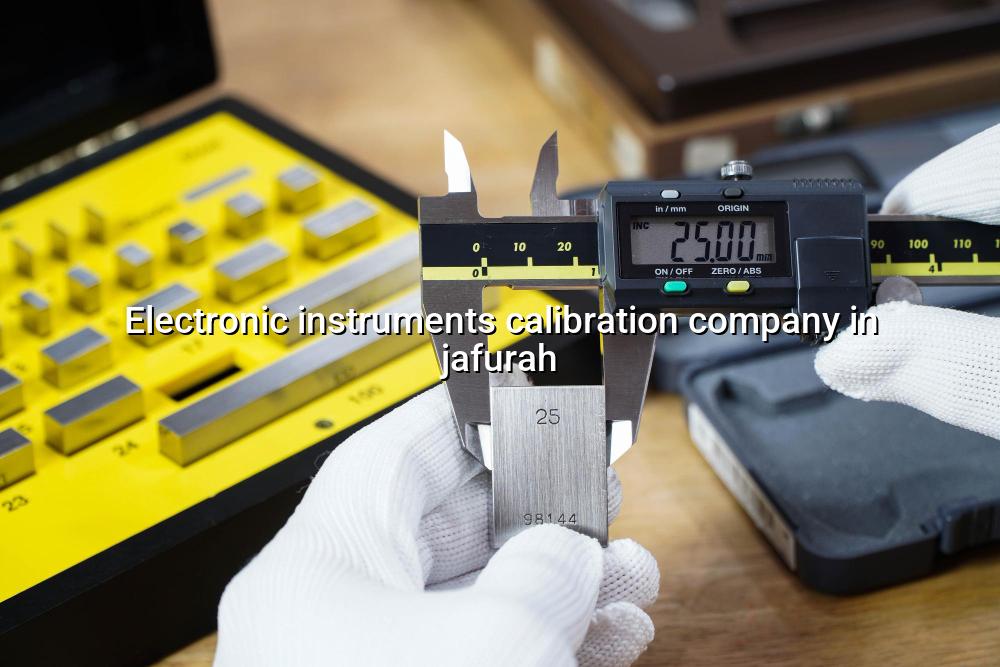
Electronic instruments calibration company in Jafurah support starts with one simple need: keep field instruments honest before a shutdown, handover or audit starts costing you time. We calibrate the meters, controllers and test devices your team depends on, so readings stay traceable and useful in the plant, not just on paper.
Jafurah work often sits far from the city, with gas processing, utilities, maintenance camps and contractor teams all moving at once. That’s where our in-house lab, mobile calibration lab and pick-up service matter. We help customers across Saudi Arabia, India and the wider Middle East keep electronic instruments ready for use without dragging equipment through avoidable downtime.
What an electronic instruments calibration company in Jafurah should deliver
When a maintenance manager in Jafurah asks for calibration, the real question is usually about risk. Can the instrument be trusted during a pressure test, a loop check, a commissioning run or a routine inspection? We work with the instruments that keep operations moving: multimeters, clamp meters, loop calibrators, process indicators, transmitters, recorders, electrical test gear and related electronic equipment used in oil and gas, petrochemical and utility work. Our process follows ISO/IEC 17025:2017 practice, with traceability that suits the quality systems many Saudi and GCC sites expect.
Why traceability matters on electronic test gear
Electronic tools drift. Some drift slowly, some change after transport, heat, vibration or rough handling in a site vehicle. A clamp meter that reads a little high, or a loop calibrator that no longer holds steady output, can send a technician in the wrong direction. That’s why we look at the condition of the instrument, check the as-found result, correct it where possible and document the outcome clearly. For site teams, the important part is not a fancy certificate. It’s knowing the instrument can still support safe work and reliable decisions.
Onsite, in-lab, or pickup?
Not every instrument should travel the same way. For quick field checks, onsite calibration saves handling and keeps the job moving. For instruments that need controlled conditions, our temperature-controlled in-house laboratory gives a better setting. If your device needs special care, we can arrange pick-up and delivery so the equipment reaches us safely. That mix works well for contractors working in Jafurah, Dammam Industrial City 2 and nearby Saudi industrial zones, where schedules change and access windows can be tight.
- Identify the instrument set — list the model, serial number, range and current use so the right method is selected first time.
- Check the condition — we inspect labels, leads, probes, battery state and any visible damage before test work starts.
- Verify against standards — measurements are compared using controlled methods and traceable reference equipment suited to the device type.
- Record the result — you receive the status, any adjustment notes and the calibration outcome for your QA file.
- Return to service — onsite items go back to work faster, while lab items are prepared for handover or delivery once cleared.
- Keep calibration labels readable; site auditors often ask for serial number, date and status first.
- Separate test gear used for hazardous or critical loops from general maintenance tools.
- Send leads, probes and accessories with the main instrument so the full set can be checked together.
- Flag any instrument exposed to heat, vibration, dust or transport damage before the visit.
- For shutdowns, give us the instrument list early so onsite and lab work can be planned around your window.
Typical electronic instruments we calibrate for Jafurah sites
| Instrument group | Where it is used | Why calibration matters |
|---|---|---|
| Multimeters and clamp meters | Electrical maintenance, troubleshooting and commissioning | Confirms voltage, current and resistance readings used for safe decisions |
| Loop calibrators and process meters | Instrumentation checks and control loop verification | Helps technicians validate signals before startup or handover |
| Recorders and indicators | Monitoring panels, test benches and temporary setups | Keeps logged values aligned with the process condition |
| Portable test equipment | Field service, shutdown work and contractor tools | Reduces the chance of rework caused by drifting or damaged instruments |
How we handle quality, documentation and site access
Most customers in the Eastern Province care about three things: can you get there, can you work properly, and will the paperwork stand up in a QA review? We’ve built our service around that reality. Our calibration work supports ISO/IEC 17025:2017 traceability, and our broader systems align with ISO 9001:2015. For electrical calibration requirements, we also work with EURAMET CG-15 where the method applies. That gives engineering teams a cleaner path when they need records for internal audits, vendor checks or project closeout.
What site teams usually send us
In practice, the requests are rarely for one instrument alone. Teams often send a batch from the same maintenance campaign: handheld electrical testers, meters, recorders and support gear used during a shutdown or commissioning period. That’s a sensible way to work. It cuts repeat handling, reduces packing mistakes and keeps one contact person responsible for the instrument list.
Built for field reality
Jafurah projects move between camp offices, contractor yards and live process areas. We’re used to that pace. Our mobile calibration lab supports onsite work where access is limited, while our in-house laboratory is there when controlled conditions make more sense. If a device needs careful transport, we can arrange pick-up and delivery so it doesn’t get handled twice.
Choosing onsite or laboratory calibration for electronic instruments
There isn’t one right answer for every device. Onsite work is best when the instrument is already installed in a live area, when removal would slow the job, or when you need a quick functional check before returning equipment to service. Laboratory calibration works better when stability, controlled conditions or a deeper verification are needed. For many Jafurah customers, the answer is a mix of both. The handheld tools stay onsite, while sensitive items or damaged devices come to the lab.
Good reasons to choose onsite work
If the instrument is tied into a control loop, mounted in a panel or used during an active maintenance window, onsite calibration keeps the crew moving. It also reduces the chance of losing small accessories like probes and leads. When we come onsite, we bring the right reference equipment for the job and work around the access limits of the site.
Good reasons to use the lab
Some instruments simply benefit from controlled conditions. If the unit is sensitive, has been through rough transport or needs more time for verification, the lab is the better call. Our temperature-controlled environment helps keep test conditions steady. That matters for records, and it matters when you want clean results from a device that will go straight back into critical service.
- Sort by urgency — keep shutdown-critical and safety-related devices at the front of the queue.
- Check the installation state — if the device is built in or tied to a loop, onsite service is often the sensible route.
- Review condition and history — repeated drift, transport damage or missing accessories often point to lab service.
- Plan return logistics — decide in advance whether the unit goes back onsite, to the workshop or to a storage shelf after calibration.
- Match the calibration interval to use, not to habit; heavily used field tools drift faster than spare units.
- Ask for as-found notes when you need to know whether a device was already out of tolerance.
- Keep a master list for shutdown campaigns so duplicate serial numbers don’t slow handover.
- If your team works across Jafurah and Dammam, consolidate instruments before sending them out.
How Mayon Industrial Services Can Help
We support Jafurah projects with onsite calibration, lab calibration, pick-up and delivery, plus the field engineering follow-up that often sits around the job. If your electronic instruments are tied to maintenance, commissioning, inspection or shutdown work, we can help you keep the tool list organised and the records traceable. We also support related electrical testing, mechanical services, inspection and training when the project needs more than one discipline in the same window.
Call +91 99447 80844 (India) or +966 59 633 8012 (Saudi Arabia), email services@mayonservices.com, or message us on WhatsApp.
Frequently Asked Questions
We usually calibrate handheld electrical and electronic test equipment such as multimeters, clamp meters, loop calibrators, process meters, indicators and other portable instruments used in maintenance and commissioning. If your tool supports a control loop, electrical troubleshooting task or field verification, there’s a good chance it belongs on the list. We can review the instrument set with you before the job starts.
Yes. Onsite work is often the best option when the instrument is already installed, tied into a process line or needed during a short maintenance window. Our mobile calibration lab is set up for field work, and we plan around access limits so your crew doesn’t lose time moving equipment around.
Yes, we provide calibration documentation that supports quality and maintenance records for industrial audits. Our work follows ISO/IEC 17025:2017 traceability, and we keep the documentation clear enough for internal QA review. If you need a batch of instruments documented for a shutdown or handover, we can organize it that way.
If the instrument is physically damaged, missing accessories or failing basic function checks, repair or inspection may need to happen before calibration makes sense. We look at condition first and tell you the practical route. That saves you from paying for verification on a unit that won’t hold a stable reading anyway.
Oil and gas sites, petrochemical plants, utilities, contractors and maintenance teams use it the most, especially where electrical troubleshooting and commissioning happen every week. We also see regular demand from manufacturing, power and cold-chain operations in the wider Saudi market. Those environments rely on portable test gear staying accurate under heavy use.
Ready to put your electronic instruments back on a traceable track?
If you're planning a shutdown, commissioning job or routine maintenance round, we'll help you sort the instrument list and keep the paperwork clean.
Contact Mayon