
Electronic Instruments Calibration Company in Tanajib
Onsite and in-lab calibration for electrical and electronic test instruments used in Tanajib and nearby industrial sites.
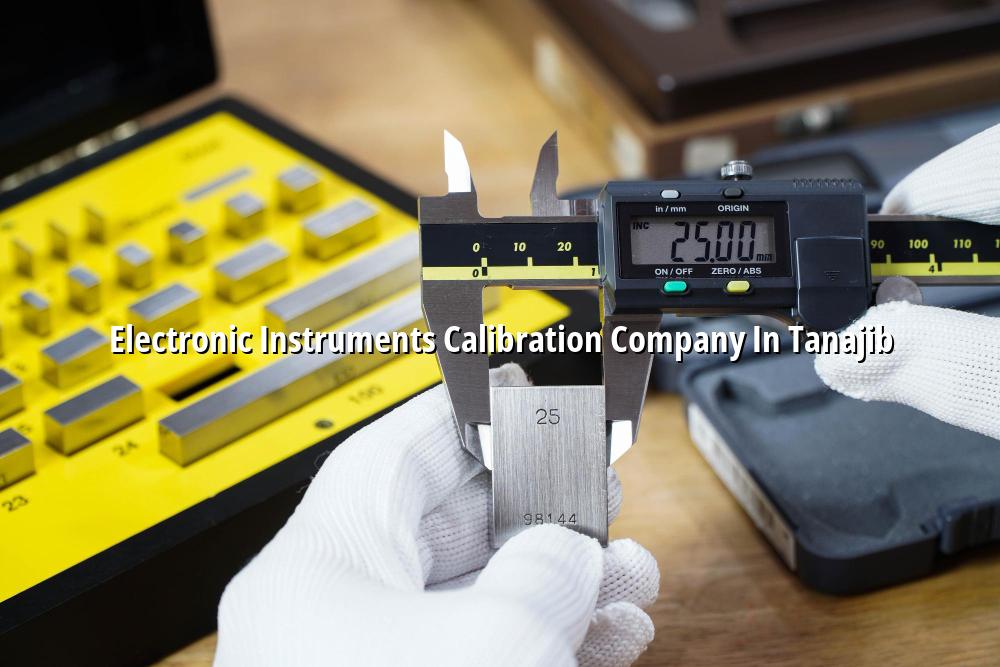
Electronic instruments calibration company in Tanajib is the search most teams make when a transmitter, meter, relay tester or handheld instrument starts drifting and the readings stop matching the job. We help you get those instruments back into traceable condition so your maintenance and QA records stay defensible.
In Tanajib, that usually means oil and gas work, plant shutdown support, and field instrumentation that can’t sit idle for long. We work with the same practical mindset our customers in Saudi Arabia and across the Middle East expect: careful handling, traceable results, and a service path that fits site conditions, not the other way around.
Electronic Instruments Calibration Company in Tanajib for site-critical gear
When people ask for an electronic instruments calibration company in Tanajib, they’re usually dealing with instruments that affect decisions right away. Think multimeters, clamp meters, loop calibrators, process indicators, panel meters, tachometers, data loggers and other electronic test equipment used in commissioning, troubleshooting and preventive maintenance. If those instruments drift, the work drifts with them.
Why calibration in this area has to be practical
Tanajib’s industrial activity is not a classroom exercise. The tools travel, get used in heat, dust and vibration, and often return with no visible damage even though the measurement chain has moved. Our ISO/IEC 17025:2017 calibration work is built for that reality. We check function, compare readings against suitable reference standards and record results in a way that supports maintenance, inspection and quality systems.
Onsite, in-house, or pick-up and delivery
Some electronic instruments can be calibrated at your site with our mobile calibration lab. Others need a temperature-controlled lab environment, especially if the item is sensitive or the working condition calls for tighter control. For those jobs, we can arrange pick-up and delivery so the instrument is handled properly from start to finish. That mix matters when you’re balancing uptime, access restrictions and the need for traceability.
- Log the instrument — we note the make, model, serial number and the problem you’re seeing.
- Inspect before testing — visual condition, connectors, leads and obvious damage are checked first.
- Compare against references — the readings are tested against suitable standards under controlled methods.
- Review the result — you get the measured condition and can decide whether to use, adjust or send for repair.
- Use calibration before a shutdown, project handover or audit week, not after a dispute.
- Keep leads, probes and accessories with the main unit; they affect the result.
- Separate high-use field instruments from lab instruments so your records stay clean.
- Ask for onsite work when instrument movement risks damage or loss of settings.
- Use traceable calibration for equipment tied to QA, maintenance and inspection records.
Common electronic instrument types and where they fit
| Instrument type | Typical use | Why calibration matters |
|---|---|---|
| Multimeter | Electrical troubleshooting and verification | Small drift can change fault diagnosis and unsafe assumptions. |
| Clamp meter | Current measurement on live circuits | Accurate readings support load checks and maintenance decisions. |
| Loop calibrator | 4–20 mA testing and commissioning | Used directly during loop checks, so offset errors show up fast. |
| Process indicator | Panel and field display verification | Operators rely on the displayed value for process control. |
How traceability protects your work
A calibration certificate is only useful if the work behind it makes sense to your site team. We keep the process tied to ISO/IEC 17025:2017 competence, and for electrical calibration we work with the expectations set by EURAMET CG-15. For many customers in Saudi Arabia and the GCC, that traceability is what keeps internal checks, vendor audits and handover files from becoming a headache.
What QA and maintenance teams usually look for
Most teams want to know three things: did the instrument pass, how far did it drift, and is there any sign it needs repair instead of simple recalibration. That sounds basic, but in a live plant it saves time. A meter with unstable readings should not be treated the same as one that simply needs routine verification.
Built for field use, not just paperwork
We see a lot of instruments that are physically fine but electrically out of tolerance after long service. That’s common in oil and gas support work, especially where tools move between workshops, substation areas and outdoor job sites. The paper trail matters, but the reading matters more.
What the calibration workflow usually looks like
For a site in Tanajib, the service path depends on access, instrument condition and how urgent the work is. Some clients send a batch of electronic instruments with maintenance spares. Others ask for a visit because the devices are installed, in use, or too sensitive to transport. We adjust the plan around the job, not around a fixed script.
Where our mobile lab helps
Our fully equipped mobile calibration lab is useful when you need work done onsite without pulling every device off the floor. It helps during plant turnarounds, planned shutdowns and routine maintenance windows. For instruments that need special environmental handling, our temperature-controlled in-house laboratory is the better choice.
Why this saves effort downstream
The aim is simple: reduce repeat visits, keep your instruments organized, and avoid using a questionable tool because the nearest spare is far away. In our experience, that’s where maintenance teams lose time. A clear calibration plan makes the next inspection, maintenance round or commissioning task easier to defend.
- Confirm the scope — list the electronic instruments, the site location and whether onsite work is possible.
- Check the handling need — decide if the device can stay onsite, needs lab work or should be picked up.
- Carry out the calibration — the instrument is checked against the relevant references and methods.
- Use the record — update your asset list, tag the item and act on any out-of-tolerance result.
- Mobile lab visits help when access to process areas is limited.
- Lab handling suits sensitive devices and special-condition instruments.
- Batch jobs are useful for plants with many similar test tools.
- Clear labeling reduces mix-ups between passed, failed and pending items.
More than calibration when the instrument needs attention
Sometimes the issue is not calibration alone. A damaged lead, unstable display, worn connector or failed internal component can make a device look “out” when the real problem is maintenance. That’s where our repair and maintenance capability helps, along with broader electrical testing, commissioning and inspection support for industrial sites.
Typical cases we see
A clamp meter used on busy shutdown work may fail because of lead damage, while a process indicator may need a health check before it’s put back into service. We also support condition monitoring, temperature mapping and other related services, so your team can keep the full measurement chain in order, not just one tool at a time.
Good records start with good handling
We always tell customers to store electronic instruments with their accessories, keep the serial number visible and separate any unit that gives unstable readings. That small habit saves a lot of confusion when the same tool moves between contractors, QA and maintenance teams.
How Mayon Industrial Services Can Help
If you need an electronic instruments calibration company in Tanajib, we can support you with onsite calibration, in-lab work, pick-up and delivery, and related electrical testing or maintenance support. Our team works across Saudi Arabia from Dammam Industrial City 2 through SMC Engineering Services / Sixfaces Maintenance Co, and we also support customers in India from Chennai. If you’re sorting out a batch of field instruments or trying to close a maintenance action cleanly, talk to us and we’ll map out the practical route.
Call +91 99447 80844 (India) or +966 59 633 8012 (Saudi Arabia), email services@mayonservices.com, or message us on WhatsApp.
Frequently Asked Questions
We handle a wide range of electronic test and measurement instruments, including multimeters, clamp meters, loop calibrators, process indicators and similar field tools. If the instrument is part of a maintenance, commissioning or QA routine, we can usually map it into the right calibration path. If you’re unsure, send the model details and we’ll tell you how to proceed.
Yes, we do. Our mobile calibration lab is set up for onsite work when the instrument can be calibrated where it is used, which helps reduce transport and keeps the equipment close to the job. For items that need controlled handling, we’ll guide you toward in-house service instead.
It matters because your readings need to be traceable and defensible, especially when the instrument is used in regulated industrial work. ISO/IEC 17025:2017 is the standard we work to for calibration competence, so your records are based on a disciplined process rather than a quick check. That helps during audits, handovers and internal reviews.
Yes, we can arrange pick-up and delivery for instruments that shouldn’t be handled casually or moved without care. That works well for sensitive devices, batch jobs and equipment that benefits from controlled lab conditions. It also helps when the site is busy and you don’t want to take up your own team’s time on transport.
Send the instrument with its leads, probes, adapters and any accessories it normally uses, because they can affect the result. It also helps to share the asset tag, serial number and any fault you’ve noticed. The more complete the handover, the easier it is for us to test the device the way you actually use it.
Ready to get your electronic instruments checked properly?
Send us the list, the site name and the instrument condition, and we’ll help you choose the right calibration route for Tanajib or nearby operations.
Contact Mayon