
Equipment Repair Service Company in Red Sea
Repair support for the rotating, hydraulic and utility equipment that keeps Red Sea industrial sites running.
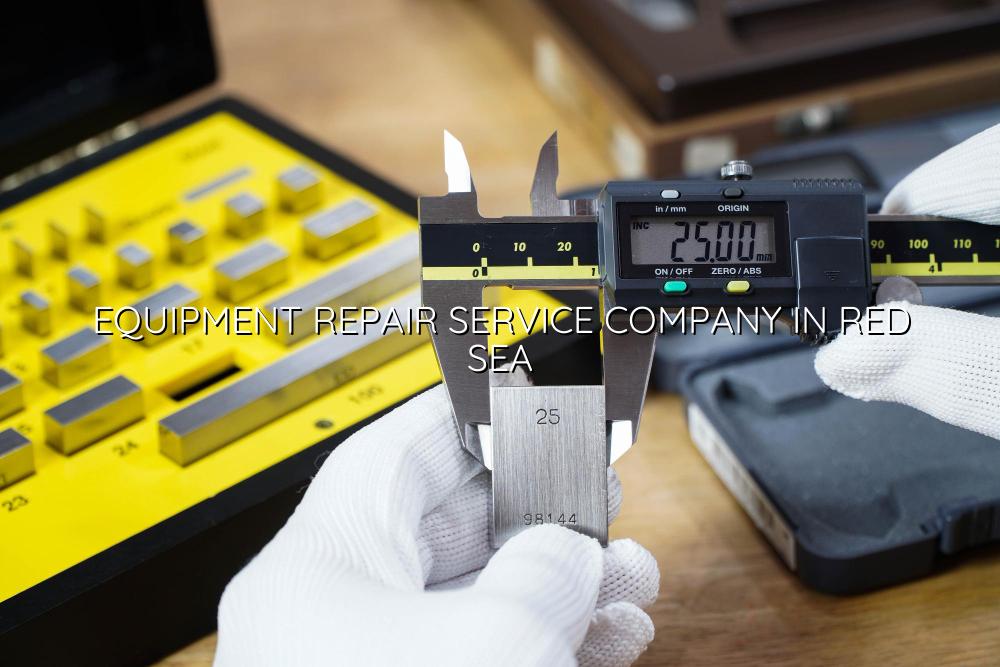
Equipment repair service company in Red Sea support usually starts with one urgent call: a pump has lost pressure, a compressor is running hot, or a generator won't hold load. We help you get to the fault quickly, fix it properly, and put the asset back into service with the least disruption we can manage.
Our team works with industrial plants, marine-linked facilities, utilities and maintenance crews across Saudi Arabia and the wider Middle East, with the same practical approach we use in Chennai and other industrial corridors. If your site needs inspection, repair, testing or recommissioning, we bring the mix of field experience and calibrated tools that makes the difference.
What an Equipment Repair Service Company in Red Sea Should Cover
A serious repair partner doesn't stop at replacing a worn part. It checks the root cause, looks at how the machine was operating, and makes sure the repair matches the duty cycle on site. In Red Sea industrial work, that often means generators in utility rooms, air compressors in service blocks, pumps in water and process systems, hydrotest pumps used for pressure work, and hydraulic cylinders on lifting or handling equipment.
Where the trouble usually starts
Most breakdowns don't begin with a dramatic failure. They start with noise, drift, overheating, low flow, poor alignment, leaks, vibration or electrical instability. We see that pattern often on rotating equipment and hydraulic packages, and the earlier you catch it, the easier the repair is to control. Condition monitoring helps here too, especially vibration analysis, laser shaft alignment, infrared thermography and ultrasound checks.
Why repair quality matters in the field
In practical terms, a rushed repair can create another shutdown next week. A proper job means the component is stripped, checked, measured, repaired or replaced, then tested under realistic operating conditions. That is where testing and commissioning, torque checks, hydrotesting and electrical verification matter. On Red Sea projects, the equipment often sits in demanding heat, dust or saline air, so fit-up and final checks need discipline.
- Initial fault review — we listen to the operator, read the symptoms and check the equipment history before touching anything.
- Safe isolation and inspection — the asset is made safe, opened up and examined for wear, damage, contamination or misalignment.
- Measurement and diagnosis — we use calibrated tools to confirm tolerances, pressure conditions, electrical status and mechanical condition.
- Repair, test and release — the team completes the work, then verifies operation before handing the equipment back.
- Ask for fault photos or readings before dispatch; they save time on arrival.
- Keep the model number, serial number and last service date ready.
- If a pump or compressor is vibrating, stop chasing the symptom and check alignment first.
- For hydraulic equipment, always confirm pressure, leakage and seal condition together.
Typical Repair Focus by Equipment Type
| Equipment | Common Faults | What We Check |
|---|---|---|
| Generators | Starting issues, unstable output, overheating | Fuel, cooling, electrical condition, load behaviour |
| Pumps | Low flow, cavitation, seal leakage, bearing wear | Alignment, suction condition, seals, vibration |
| Air Compressors | Pressure loss, high temperature, oil carryover | Filters, lubrication, belts, controls, discharge line |
| Hydraulic Cylinders | Drift, scoring, seal failure, pressure loss | Rod condition, seals, pressure integrity, contamination |
Why repair and testing should happen together
We see better results when repair work is paired with calibration, inspection and test verification. That matters in Red Sea projects because many sites depend on equipment that must hold pressure, maintain speed, or deliver steady electrical performance without surprise downtime. When the repair ends with a real check, the maintenance team can make a sensible decision about return to service.
Useful checks after the repair
Depending on the asset, that can include pressure testing, electrical testing and commissioning, torque verification, flange work, alignment, thermography or a simple run test under load. On some jobs we also handle cold cutting, flange weld testing and bolt torquing, especially where pipework or utility systems are part of the failure. The aim is simple: don't guess if the machine is ready, prove it.
Field repairs that hold up
Our mobile calibration lab and onsite capability help when a repair decision depends on accurate measurement at the asset itself. For maintenance teams in Saudi Arabia, that saves a second trip and keeps the work tied to real site conditions, not a workshop assumption. It also helps with documentation when your QA team needs traceable records.
How Mayon Industrial Services Can Help
We handle repair and maintenance for generators, air compressors, pumps, hydrotest pumps, hydraulic cylinders and related plant equipment, and we back that up with calibration, inspection and commissioning support. If your issue sits between mechanical wear, electrical fault and process reliability, our team can work through it methodically instead of treating it as a guess. Tell us what failed, where it failed, and what the site needs next, and we'll help you plan the right response.
Call +91 99447 80844 (India) or +966 59 633 8012 (Saudi Arabia), email services@mayonservices.com, or message us on WhatsApp.
Frequently Asked Questions
Usually the work covers generators, pumps, compressors, hydraulic systems and utility equipment that keeps the site running. On industrial jobs we also see flange work, bolt tensioning, hydrotest support and electrical checks linked to the same asset. The real job is not just fixing the part, it's getting the machine back into service safely.
We start with symptoms, operating data and a visual inspection, then move to measurement. For pumps that often means alignment, vibration, seals and suction checks; for generators it can mean electrical condition, cooling, load behaviour and fuel-side issues. That approach keeps the repair focused and avoids replacing parts that are still serviceable.
Yes. We support clients from our Saudi Arabia operation in Dammam Industrial City 2 and work across industrial locations that need practical mechanical and calibration support. That includes sites where the operating environment is harsh and the equipment has to be checked carefully before it goes back online.
Yes, and we prefer to do that whenever the equipment and site conditions allow it. The final checks may include pressure testing, commissioning checks, vibration review, alignment verification or electrical testing depending on the asset. That final step helps the maintenance team sign off the work with more confidence.
Send the equipment type, model number, fault symptom, location and any recent readings or photos you have. If the asset has already been opened, tell us what was seen inside and whether the machine can be isolated safely. That saves time and helps us arrive with the right tools and plan.
Yes. That happens more often than people think, especially when a process instrument, pressure device or lifting item is part of the failure chain. We can connect repair with calibration, inspection and documentation so your QA and maintenance teams get one coordinated answer instead of three separate visits.
Ready to get the equipment back in service?
If you're dealing with a fault on pumps, generators, compressors or hydraulic gear, talk to Mayon Industrial Services and we'll help you plan the next move.
Contact Mayon