
Equipment Repair Service Company in Saudi Arabia
Repair work for plant equipment that needs careful diagnosis, proper testing and practical field support.
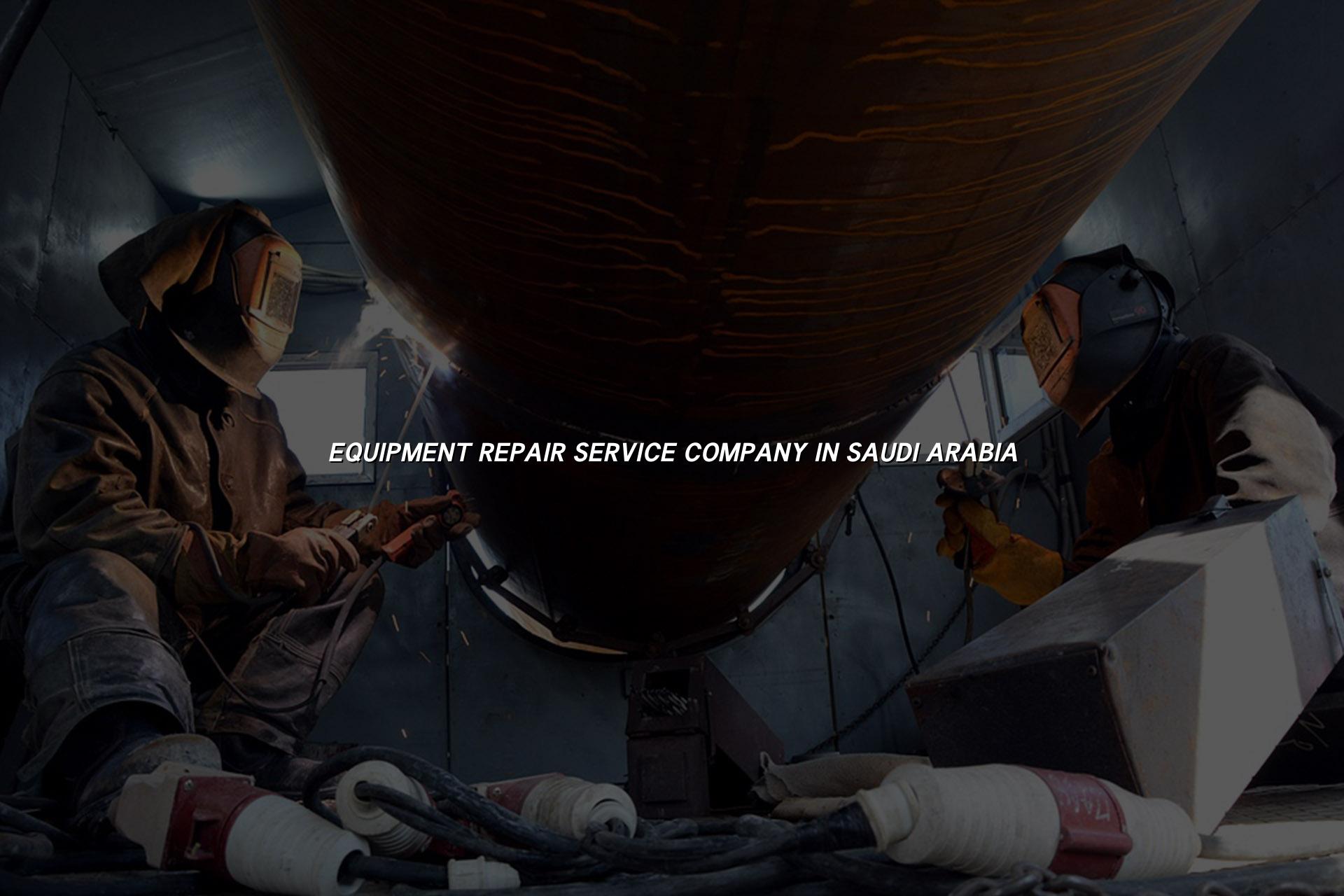
Equipment repair service company in Saudi Arabia is the kind of search we hear from plant teams when a compressor, pump, generator or hydraulic unit starts acting up and the shutdown clock is already ticking. You need a team that can trace the fault, repair it properly and put the equipment back into service with enough checking to trust the result.
That is the work we do across Dammam Industrial City 2 and wider Saudi industrial sites. Our team supports oil & gas, petrochemical, power, manufacturing and cold-chain operations with repair, testing, calibration and maintenance that fit real site conditions, not just workshop conditions.
Why an equipment repair service company in Saudi Arabia needs field discipline
Repairs in Saudi Arabia are rarely simple bench jobs. Many calls come from sites where ambient heat, dust, vibration and process duty have already pushed the asset hard, so the first job is to confirm the fault clearly before anyone touches a wrench. We see this often with pumps on utility skids, air compressors in workshops, hydraulic cylinders on lifting gear and generators that have been running through long operating cycles.
How we approach the fault
We start with a basic condition check, then move to functional testing and measurement. If the issue sits with alignment, torque loss, bearing wear, seal failure, electrical protection or control problems, we work through it in that order. That saves time and avoids the common mistake of replacing parts before the root cause is understood.
What the client gets
You get repair work that is easier to hand back to operations. Where needed, we can combine mechanical work with calibration support, inspection checks and commissioning activities so the asset is not just repaired, it is checked against the way the site actually uses it.
- Inspect the symptom carefully — confirm noise, leakage, overheating, pressure loss, trip history or abnormal vibration before opening the equipment.
- Test the key functions — check electrical, mechanical and pressure-related behavior so the fault source is not guessed.
- Repair the worn or failed parts — replace seals, bearings, couplings, hoses, electrical items or damaged assemblies as required.
- Verify performance after repair — run checks, record readings and make sure the unit is safe to return to duty.
- Pumps, compressors and generators often fail from small issues that grow quietly.
- Field repair is faster when diagnosis, tools and test gear travel together.
- Hydraulic systems need clean handling and careful post-repair checks.
- Saudi plant teams usually want one team that can repair, test and document the work.
Typical equipment repair scope and the checks that follow
| Equipment type | Common issue | Typical verification after repair |
|---|---|---|
| Generators | Starting fault, overheating, unstable output | Functional run checks, visual inspection, electrical confirmation |
| Air compressors | Pressure loss, leakage, abnormal vibration | Pressure test, leak check, alignment review |
| Pumps and pump skids | Seal wear, cavitation signs, flow drop | Operational test, seal inspection, coupling check |
| Hydraulic cylinders and power packs | Drift, contamination, reduced force | Pressure verification, hose inspection, functional test |
Repair work that fits Saudi industrial operations
In Saudi industrial sites, repair work often has to fit a live production schedule, access rules and the realities of high-duty equipment. That means the repair team has to be comfortable working around process areas, utility corridors, workshops and plant shutdown windows without making extra noise in the schedule. We keep the focus on practical restoration, clear reporting and equipment that can go back to work without guesswork.
Where this matters most
We support oil & gas, petrochemical, power and manufacturing teams, and we also see strong demand from cold-chain and food plants where pumps, compressors and temperature-sensitive systems cannot drift for long. A small fault in one of those areas can hit output, product quality or safety fast, so the repair standard has to be steady.
Practical repair, not patchwork
We focus on the parts that matter: diagnosis, mechanical correction, testing and handback. If a unit needs supporting calibration, inspection or commissioning, we can add that too, which helps reduce the handoff between multiple vendors.
What usually belongs in a good repair job card
Fault history
We ask what changed first: noise, heat, vibration, tripping, leakage or reduced output. That timeline tells you a lot before disassembly starts.
Measurement points
Pressure readings, electrical readings, alignment data and dimensional checks help make the repair repeatable. Without that, the same fault can return.
Return-to-service checks
After repair, we look for stable function, no visible leakage and no obvious abnormal behavior during operation. That final check matters.
How Mayon Industrial Services Can Help
We support Saudi clients with equipment repair, calibration, inspection, electrical testing, mechanical services and orbital welding, so a problem on site doesn’t get bounced from one vendor to another. If your plant needs help with generators, compressors, pumps, hydraulic systems or related utility equipment, we can look at the fault, repair it and verify the result with the right checks. Speak to us and we’ll help you map the next step.
Call +91 99447 80844 (India) or +966 59 633 8012 (Saudi Arabia), email services@mayonservices.com, or message us on WhatsApp.
Frequently Asked Questions
We usually see pumps, compressors, generators, hydraulic cylinders, filtration pumps and associated utility equipment. In many Saudi plants the same team also needs to deal with leakage, vibration, pressure loss or electrical faults around that equipment. The exact scope depends on what the site has and how critical the asset is.
Yes, onsite support is often the best way to deal with plant equipment because the fault can be checked in its working environment. That matters in places like Dammam Industrial City 2, where access, duty cycle and installation conditions affect the repair plan. If the item needs special handling, we can also discuss pickup and delivery.
Yes, and that is often the cleaner way to manage a job. A repair may need pressure checks, electrical verification, dimensional inspection or calibration support before the asset goes back online. Combining the work reduces repeated site visits and helps the handback make sense to operations.
Oil & gas, petrochemical, power, manufacturing and cold-chain sites all rely on equipment that cannot stay offline for long. We also hear from construction, healthcare and food plants when utility assets or process support systems show signs of wear. Each sector cares about different risks, but the repair mindset stays the same: diagnose first, repair properly, verify after.
Honestly, that depends on the fault, the age of the equipment, the duty cycle and the availability of parts. In many cases a targeted repair is enough, but if wear has moved into multiple assemblies then replacement can make more sense. We usually look at the reading, the damage and the operating history before recommending the next step.
Need a repair team that understands plant equipment?
Send us the fault details, and we’ll help you decide whether onsite repair, testing, calibration or a fuller mechanical service is the right move.
Contact MayonWhen you need an equipment repair service company in Saudi Arabia, you want more than a quick patch. You want a team that can diagnose the issue, repair it cleanly and stand behind the checks that follow. That is how we work at Mayon Industrial Services, and it is why many clients keep us close to their maintenance plans.