
Field Training Service Provider Company in Hafar Al Batin
Practical onsite training for technicians, supervisors and QA teams who need skills that hold up on real sites.
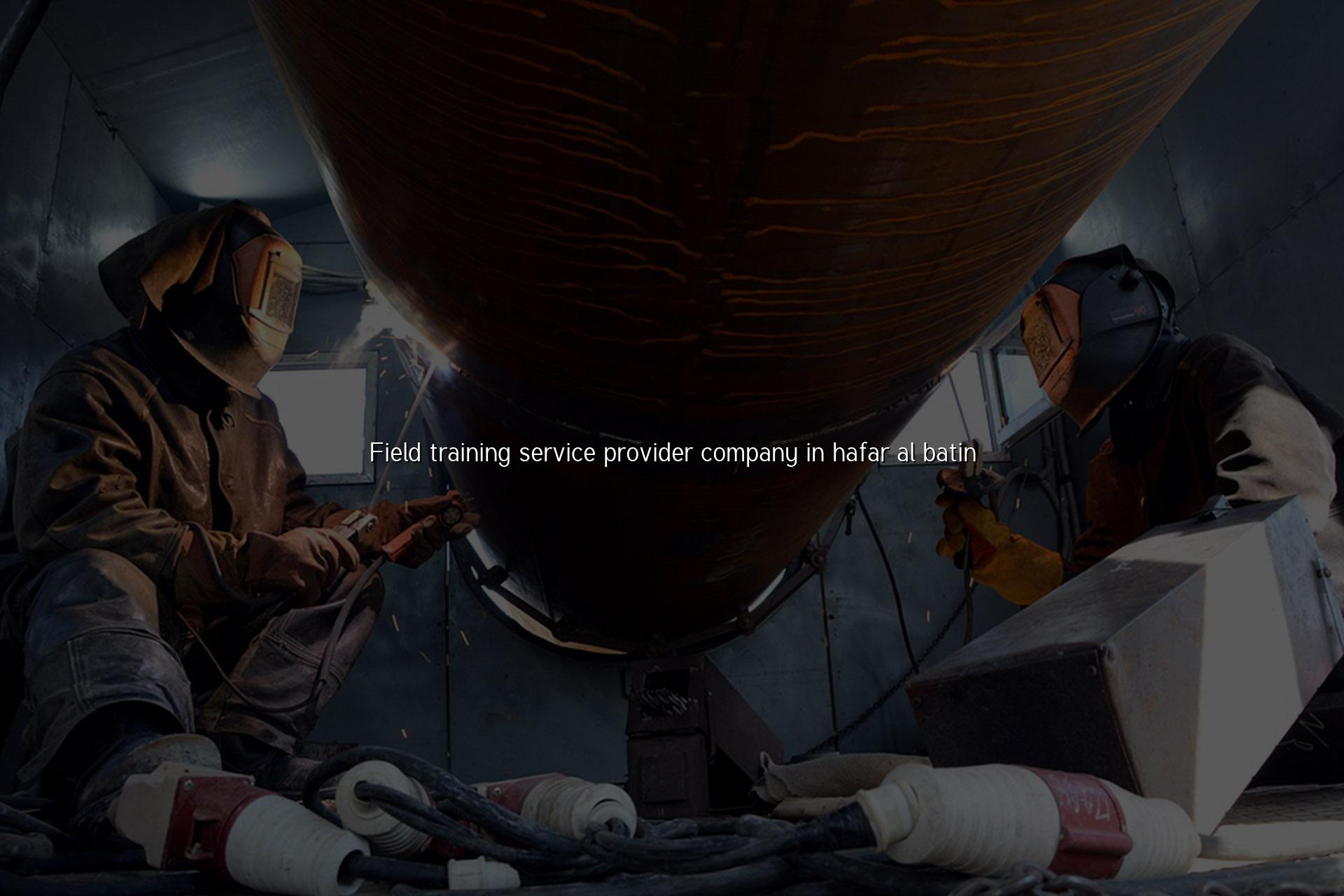
Field training service provider company in Hafar Al Batin searches usually come from people who need training that works on the floor, not just in a classroom. If you’re responsible for technicians, maintenance crews, QA staff or supervisors, this page shows how we structure practical field training so your team learns the right way, on the right equipment, with the right checks.
We build training around real jobs: calibration routines, safe work methods, inspection habits, commissioning steps and the small details that stop repeat errors. In Saudi Arabia, especially in industrial areas connected to oil & gas, petrochemical, power and cold-chain work, that kind of training matters because the site conditions are rarely gentle and the records need to stand up to review.
What a Field Training Service Provider Company in Hafar Al Batin Should Deliver
A good training visit should not feel generic. The trainer needs to know the plant language, the instrument types in use, and the pressure your team is under when production is running and shutdown windows are short. That is why our field training is built around the actual task list at your site, from calibration management and inspection routines to maintenance safety and basic fault finding.
Training that starts with the site, not a slide deck
We usually begin by looking at what your team handles every day. That might be pressure gauges, torque tools, temperature instruments, lifting gear checks, portable testers, or the records tied to ISO/IEC 17025:2017 work. In our experience, the best results come when the trainer sees the setup first, because the same procedure can look very different in a workshop, a plant room, a warehouse or a mobile service bay.
Built for technicians, supervisors and QA teams
Some teams need hands-on coaching. Others need help with documentation, acceptance checks and traceability. We cover both. Where needed, we also include calibration management techniques, practical inspection habits, and the basic discipline of confirming what is in tolerance before a job moves ahead.
- Site review — we look at your equipment, workflow and training gaps before the session starts.
- Topic selection — we focus on the exact tasks your team performs, such as calibration, inspection, alignment or maintenance checks.
- Hands-on demonstration — the trainer shows the method on real equipment, with the same tools your staff uses.
- Supervised practice — your team repeats the task while we correct technique, sequence and documentation habits.
- Feedback and follow-up — we close with review notes so you know where the team is strong and where they still need work.
- Training is practical, with real equipment and site conditions.
- Sessions can support calibration, inspection, maintenance and commissioning teams.
- We can include ISO/IEC 17025:2017 traceability habits where your work depends on it.
- Topics can be adjusted for Saudi sites, mobile crews and mixed skill levels.
- We keep the training language simple, direct and usable the same day.
Typical Field Training Topics We Cover
| Topic | What the Team Learns | Where It Helps |
|---|---|---|
| Calibration basics | Instrument checks, tolerance awareness, record discipline and safe handling | QA rooms, workshops, mobile service teams |
| Inspection practice | Visual checks, condition notes, rejection points and reporting habits | Lifting gear, PPE, site inspections |
| Maintenance technique | Fault spotting, task sequence, tool control and shutdown readiness | Plants, utilities, rotating equipment areas |
| Commissioning support | Pre-start checks, test logic, handover notes and team coordination | Electrical, mechanical and utility systems |
Why Onsite Field Training Works Better for Industrial Teams
Field training works because your people learn in the same conditions where they are expected to perform. They see the instrument, the panel, the rack, the machine or the pipeline connection they actually use. That makes the lesson easier to remember and much easier to apply when the next shift starts.
Less guesswork, fewer repeat mistakes
We often meet teams who know the theory but still struggle when the site gets busy. A torque procedure gets skipped, a calibration record is filled out the wrong way, or a visual inspection misses a simple defect because nobody showed the crew what to look for. Training on the job closes that gap fast, especially when the trainer can point to the exact part, tool or reading that matters.
Training That Feels Like the Actual Shift
We keep the pace practical. Short explanation, demonstration, supervised practice, then correction. That rhythm works well for industrial teams in Hafar Al Batin, Dammam, Jubail, Riyadh support jobs and other Saudi or Middle East sites where downtime is expensive and people need clear instructions.
How to Prepare Your Site for a Field Training Visit
A little preparation helps the session run cleanly. We do not need a polished classroom. We need the real setup, the instruments or tools in use, and the people who actually handle the work. If the job involves temperature control, pressure systems, lifting checks or electrical testing, bring the relevant manuals, log sheets and current site procedures too.
Small things that make a big difference
One supervisor, one technician and one QA person can already give us a useful picture of how work really happens. If you have a mixed team, that’s even better. Someone will always point out the detail others overlook, and that helps us tune the session to the site instead of giving a one-size-fits-all lesson.
- List the equipment — prepare the instruments, machines or systems tied to the training topic.
- Share the current procedure — bring your method statements, checklists or log sheets.
- Pick the right people — include the staff who do the work, not only the managers.
- Set aside practice time — let the team repeat the task while the trainer watches.
- Keep the actual tools and instruments ready for demonstration.
- Make sure your site procedures and checklists are current.
- Include the people who will use the method after training ends.
- Allow space for questions, because that is where the useful gaps show up.
Who Usually Asks for Field Training in Hafar Al Batin?
Most requests come from industrial and service teams that need hands-on support, not theory. That includes oil & gas contractors, petrochemical maintenance crews, power and utility teams, construction teams, cold-chain operators, healthcare service providers and manufacturing plants that want better discipline around instruments and site records.
We also hear from supervisors who are trying to standardise work across more than one crew. One team may be strong on practical work but weak on documentation. Another may fill the logs neatly but still miss the physical checks. A field session can pull those two sides together.
When a mixed site team needs one common method
That situation is common in Saudi Arabia. A plant may have local staff, contractors and rotating support teams all touching the same equipment. If everyone follows a slightly different habit, errors start piling up. Field training gives the whole group one standard way of doing the job.
Practical Topics That Come Up Often
Calibration record keeping, pressure gauge checks, torque tool handling, lifting inspection basics, vibration awareness, infrared thermography observations, and commissioning check discipline are all common requests. We can also support teams that need a better bridge between field work and ISO 9001:2015 quality routines.
Frequently Asked Questions
We train your team at the site, around the work they already do. That can include calibration habits, inspection checks, maintenance practice, commissioning support and record keeping. The point is to make the learning match the real job, not a classroom version of it.
Yes. We serve Saudi Arabia from Dammam Industrial City 2 through SMC Engineering Services / Sixfaces Maintenance Co, and we also support India and the wider Middle East. Onsite training works well when the equipment is too large, too busy or too site-specific to move into a classroom.
Yes, when the work touches calibrated instruments or traceable records, we can include the practical side of ISO/IEC 17025:2017 awareness. That usually means handling, documentation, measurement discipline and basic good practice on the floor. We keep it simple and tied to the job in front of the team.
We usually hear from oil & gas, petrochemical, power, construction, healthcare, pharmaceutical, cold chain, food & beverage, manufacturing and engineering teams. The request often comes from maintenance managers, QA staff or supervisors who want one method followed across several crews.
Absolutely. In many teams, the work itself is fine but the records are weak, or the records look fine while the field practice needs correction. We can cover both sides in one session so the people doing the task and the people checking the records are speaking the same language.
Ready to train your team the way the job actually runs?
If you need a field training partner in Hafar Al Batin, we can build the session around your equipment, your people and your site requirements.
Contact MayonHow Mayon Industrial Services Can Help
We support industrial teams with field training, calibration services, inspection, condition monitoring, mechanical work, electrical testing, orbital welding and lab setup. If your crew needs better habits on the ground, we can shape a practical session around the equipment you use and the standards you follow.
Call +91 99447 80844 (India) or +966 59 633 8012 (Saudi Arabia), email services@mayonservices.com, or message us on WhatsApp.
Training that leaves the site stronger
When field training is done well, the team leaves with more than notes. They leave with a method they can repeat under pressure. That is the real test. If you want a training partner who understands industrial work in Hafar Al Batin, Saudi Arabia and the wider Middle East, Mayon Industrial Services is ready to help.