
Flange Facing Service Company in Al Khobar
Onsite flange repair, machining, and sealing-face restoration for Saudi plants, shutdowns, and maintenance teams.
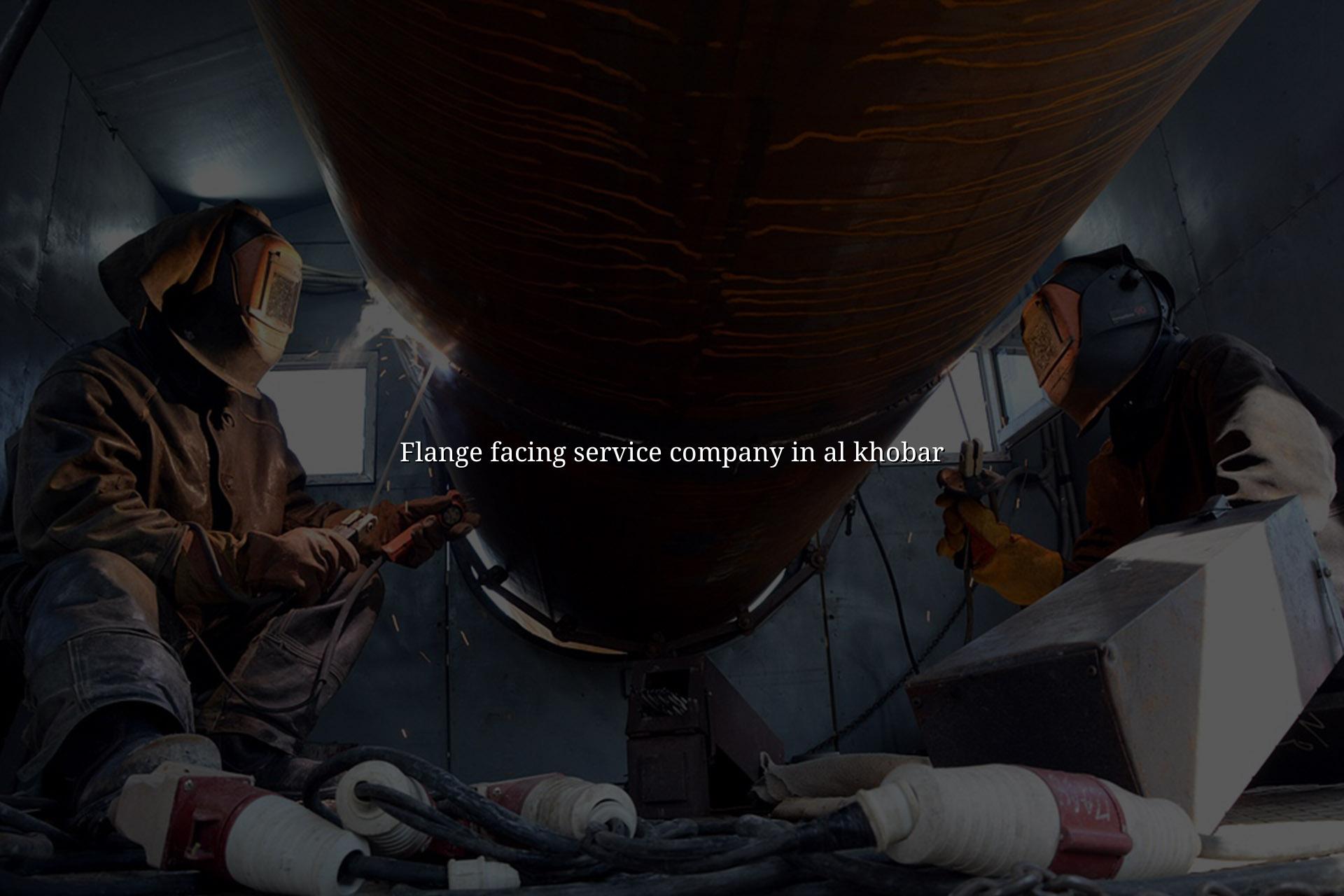
Flange facing service company in Al Khobar support matters the moment a joint refuses to seal, a gasket keeps failing, or a pipe run needs clean mating surfaces before reassembly. We help maintenance teams get back to a face that’s flat, even, and ready for bolt-up, without guessing.
From Al Khobar and Dammam Industrial City to wider Eastern Province shutdown work, our team handles onsite flange facing, inspection support, and allied mechanical work for oil & gas, petrochemical, power, and manufacturing plants. We work with the same discipline our customers expect from ISO/IEC 17025:2017 controlled environments, even when the job is on a live plant floor.
Why a flange facing service company in Al Khobar needs to be field-ready
On most shutdowns, the problem isn’t the gasket itself. It’s the face. A small scratch, a warped landing, corrosion from service, or a face that was never machined properly can create leak paths and waste time on repeated torque-up cycles. In our experience, that’s where a proper flange facing job saves the day. You get a controlled finish, the right profile for the joint, and a surface the fitter can trust before the line is closed.
What we usually see on site
We often find flange damage after bolt galling, misalignment, thermal cycling, or rough maintenance work during an earlier outage. In Saudi plants, the pressure is real because the schedule is tight and the equipment is rarely sitting in a clean workshop. That’s why an onsite setup matters. Our mobile calibration lab and field equipment let us support maintenance teams where the flange is installed, which cuts out unnecessary removals and repeat handling.
Why the face finish matters
A sealing face is not just “smooth enough.” It needs to be made consistently so the gasket can compress the way it should. For raised face, flat face, and other common flange conditions, the machinist has to read the wear, select the setup carefully, and work cleanly. We keep the process practical. Measure first, cut only what’s needed, then verify the result before handover.
- Inspect the flange condition — check for pitting, raised damage, misalignment, and evidence of previous leaks.
- Set up the machining tool — fix the facing machine securely so the cut stays concentric and stable.
- Machine the sealing face — remove the damaged layer and restore the required contact surface.
- Verify the finish — confirm the face is ready for gasket seating, bolt-up, and reassembly.
- Reduces repeat leakage caused by damaged or uneven faces
- Supports onsite turnaround for shutdown and turnaround teams
- Helps fitters keep the line-up they already built
- Works well alongside hydrotesting, bolt torquing, and flange weld testing
Service situations we handle for Al Khobar and the Eastern Province
| Site situation | Typical issue | What facing helps with |
|---|---|---|
| Shutdown piping | Old gasket marks and surface scratches | Restores a cleaner seal face before refit |
| Pump and compressor skids | Misalignment after maintenance or vibration | Helps the joint sit square during reassembly |
| Heat-exposed process lines | Face distortion after thermal cycling | Removes damaged material and improves contact |
| Leaking flanged joints | Repeated seepage after bolt-up | Targets the sealing surface before another gasket install |
How our onsite facing work fits real maintenance schedules
Plant teams in Al Khobar usually want one thing: keep the outage controlled. So we plan the work around access limits, hot work rules, lifting restrictions, and the rest of the job list on site. Facing is often just one part of a bigger maintenance package, and that’s fine. We can support the surrounding tasks too, including mechanical services, testing, inspection, bolt torquing, and commissioning support.
Why field teams call us
Most of the calls start with a simple problem: a flange has to be corrected before the line can move forward. Sometimes it’s a corrosion case. Sometimes it’s a badly prepared face after earlier repair work. We keep the approach straightforward. No drama, no loose talk. Just the right setup, the right cut, and a clear handover so your crew can proceed.
What you get from a proper facing job
Cleaner gasket seating, less rework, and a better chance of a dry start-up after bolt tightening and pressure testing. That’s the real value. It keeps the shutdown moving and cuts down on the kind of repeat work nobody wants at 2 a.m. on a site in Dammam, Jubail, or Al Khobar.
Practical points to check before flange facing begins
Good preparation saves time. Before we start, we like to confirm the flange type, the line condition, the available access, and whether the joint will need any supporting mechanical work. A clean setup makes the cut more predictable. It also helps avoid unnecessary material removal.
For shutdown planning teams, the key is simple communication. Tell us what failed, where the flange sits, and what other work is already happening nearby. If the job involves pipework, hydrotesting, or related commissioning tasks, we can plan the sequence so the flange facing happens at the right point, not after everything has been disturbed twice.
Four habits that keep the job tidy
Mark the affected joint clearly, keep the surrounding area accessible, protect nearby components from swarf or debris, and confirm the reassembly plan before the final cut. Those four things sound basic. They save real hours on site.
- Confirm whether the flange is on a pump, line pipe, vessel nozzle, or skid
- Check if the face damage came from corrosion, impact, or previous machining
- Make sure access is safe for the facing machine and the operator
- Align the facing job with bolt-up, gasket replacement, and pressure testing
Where flange facing sits inside a wider maintenance package
Mechanical services
Cold cutting, flange weld testing, hydrotesting, and bolt torquing can all sit around the same outage window.
Inspection support
Third-party lifting inspection, NDT, and PPE checks help keep the jobsite controlled and safer for the crew.
Testing and commissioning
We also support LV, MV, HV and EHV electrical testing when plant work reaches the wider commissioning stage.
Lab and calibration
Our ISO/IEC 17025:2017 calibration capability and mobile lab back up the traceability expected by industrial sites.
How Mayon Industrial Services Can Help
If you need a flange facing service company in Al Khobar, we can support the job with onsite machining, inspection-minded preparation, and practical mechanical follow-through. Our team works across Saudi Arabia and the Middle East on shutdowns, repairs, and plant maintenance where sealing surfaces need to be corrected before the joint goes back into service. We also bring calibration discipline, so the work stays traceable and controlled.
Call +91 99447 80844 (India) or +966 59 633 8012 (Saudi Arabia), email services@mayonservices.com, or message us on WhatsApp.
Frequently Asked Questions
Usually maintenance teams, shutdown planners, and reliability engineers call when a flange face has corrosion, scratches, or uneven contact. It’s common on process piping, pump lines, and equipment connections that have seen repeated opening and closing. If the joint keeps leaking after gasket changes, the face often needs machining.
Yes, it can. That’s usually the better route when the pipework is already installed and pulling it out would create more work than necessary. Onsite facing is common for shutdowns in Al Khobar, Dammam, Jubail, and other Eastern Province sites where access is tight and time matters.
We usually see damage from corrosion, impact, bad gasket removal, thermal movement, or previous maintenance work that left the surface uneven. Sometimes the face looks fine at a glance, but the leak pattern tells a different story. Once that happens, a proper cut is better than repeating the same gasket change again.
Yes. Many jobs are part of a wider mechanical scope, so we coordinate with bolt torquing, hydrotesting, flange weld testing, and related maintenance tasks. That makes the outage easier to manage because the same team can stay aligned on the sequence of work.
Send us the site location, flange type, the problem you’re seeing, and any schedule constraints. If you already have shutdown dates or permit requirements, include those too. We’ll review the scope and guide you on the next step through our request-quote or contact channels.
Need the flange face corrected before the next bolt-up?
Send the job details now, and we’ll help you plan the next step for safe, traceable work on site.
Contact Mayon