
Flange Facing Service Company in Duba
Onsite flange machining, sealing face restoration and field-ready support for plants, shutdowns and maintenance crews.
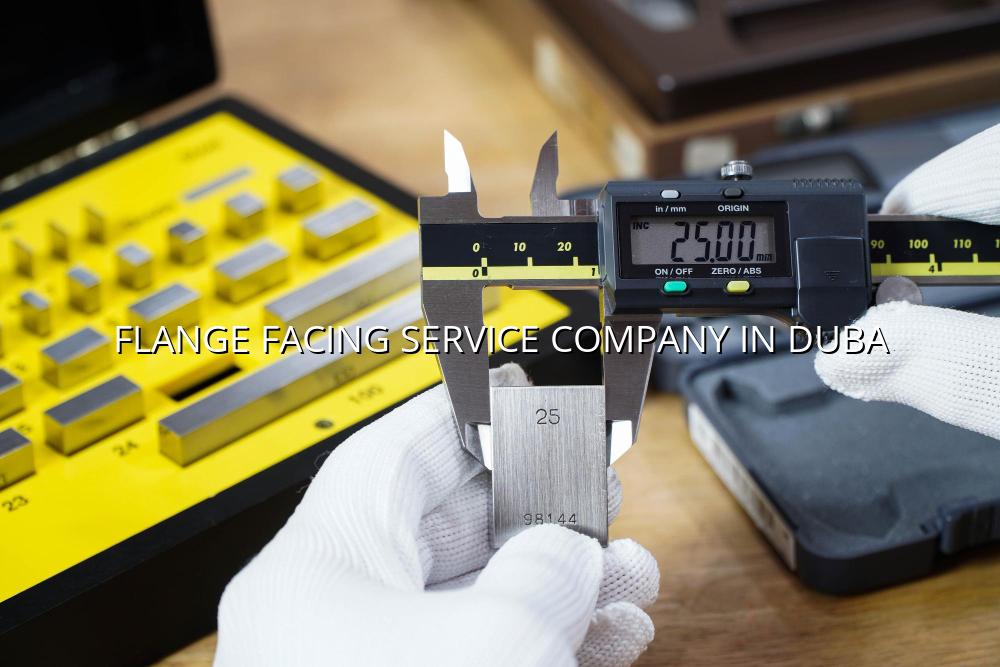
Flange facing service company in Duba is the search most teams make when a sealing face is damaged, a joint keeps weeping, or a shutdown can’t wait for workshop work. We help you restore the mating surface so the joint can seat properly, hold pressure and stay ready for hydrotest or start-up.
Our team works across refineries, petrochemical units, power plants, construction packages and cold-chain facilities in Saudi Arabia and the wider Middle East. We bring field machining, mechanical support and inspection discipline together, which matters when you’re dealing with classed piping, pump skids, heat exchangers or equipment flanges that have seen too many open-close cycles.
Why a Flange Facing Service Company in Duba Matters on Site
A proper flange facing job is not just about making a surface look fresh. It’s about restoring the sealing finish, squareness and profile so the gasket can do its job. In our work, we often see the same story: a flange was nicked during bolt removal, rust built up after shutdown exposure, or a previous repair left spiral marks that should never have gone back into service. Once that happens, leak chasing starts, and every extra opening costs time.
What we check before machining starts
We begin by looking at the flange type, size, damage pattern and the condition of the surrounding piping. A face that has local pitting needs a different approach from one that has general scoring or weld spatter. We also look at access, the line isolation plan and whether the job is tied to hydrotest, commissioning or routine maintenance. That way, we don’t bring the wrong setup to the wrong flange.
Where the work fits into plant maintenance
In Dammam Industrial City 2, Jubail, Ras Tanura and other industrial clusters, flange facing is usually part of a wider mechanical scope. It sits beside bolt torquing, tensioning, flange weld testing, hydrotesting and testing & commissioning. When all of that is coordinated well, the piping system is ready sooner and the repair history makes more sense for the maintenance file.
- Inspect the flange and joint area — we confirm the damage, measure the face condition and check for distortion, corrosion or weld buildup.
- Set up the machining rig — the portable facing tool is mounted and aligned so the cut stays true to the flange axis.
- Machine the sealing surface — we restore the face with the right finish for the gasket style and service condition.
- Verify the result — the finished face is checked for surface quality and fit before the joint is returned to service.
- Use flange facing before gasket replacement if the sealing face has scratches, corrosion or old weld damage.
- Match the machining setup to the flange size and access restrictions, especially in tight pipe racks.
- Include the facing scope in shutdown planning so bolt torquing and pressure testing can follow without delay.
- Keep record photos and repair notes for QA files, especially on refinery and power projects.
Common Flange Facing Situations and What We Do
| Site Situation | Typical Issue | Facing Approach |
|---|---|---|
| Refinery piping | Scored face after repeated gasket changes | Restore the seating surface and remove damaged material |
| Pump or skid connection | Minor distortion after maintenance work | Reface to improve gasket contact and joint alignment |
| Hydrotest preparation | Old pitting and corrosion on the flange face | Machine a cleaner finish before pressure testing |
| Shutdown repair | Weld spatter or uneven previous machining | Correct the profile so the joint can seal properly |
How flange facing supports safer plant operation
When a flange face is true and clean, the gasket sits evenly. That means less local stress, better load distribution and a lower chance of repeat leakage after reassembly. For maintenance teams, that matters because a joint that stays stable saves time on re-torquing and repeated opening. We see this especially on process lines, condensate systems, utilities and cooling loops where vibration and thermal cycling work against the joint.
Useful in more than one type of shutdown
It’s common during planned shutdowns, but we also get calls during breakdown work. A flange might be damaged after a rushed bolt-cutting job, or the old face might already be out of tolerance for a clean reseal. In those cases, field machining gives you a practical fix without pulling the whole spool out of service.
Built for field conditions
Our mobile setup is made for onsite work. We support jobs where the pipe rack is tight, access is awkward and the schedule is already crowded. That includes industrial sites in Saudi Arabia and GCC projects where coordination with QA, operations and mechanical contractors has to be tight from the start.
What good flange facing looks like on a real job
A clean flange face should look even, consistent and appropriate for the gasket type being used. The result is not about shine alone. The geometry matters, and so does the finish left by the tool. If the cut is uneven, the seal can fail around one side first, which is exactly what you don’t want after pressure testing or during live production.
We’re usually called when a joint has already been troublesome, so our focus is practical. Restore the face. Protect the line. Keep the repair file clear. That approach works for oil and gas, petrochemical plants, power generation and industrial water systems across India, Saudi Arabia and the Middle East.
- Better gasket contact across the full face
- Less chance of repeat seepage after reassembly
- Cleaner handover for QA and maintenance records
- Faster readiness for hydrotest or commissioning
How Mayon Industrial Services Can Help
We handle flange facing as part of a wider mechanical service scope, so you can bring one team into the job instead of juggling several contractors. If the work also needs hydrotesting support, bolt torquing, cold cutting, testing and commissioning, or inspection sign-off, we can plan it together and keep the site moving. Our crews support shutdowns, maintenance windows and field repairs across Saudi Arabia and the Middle East, with the same practical approach we use on calibration and engineering projects.
Call +91 99447 80844 (India) or +966 59 633 8012 (Saudi Arabia), email services@mayonservices.com, or message us on WhatsApp.
Frequently Asked Questions
We restore damaged or uneven flange sealing faces so the joint can seat properly again. Onsite work is useful when the flange is part of a live plant, a shutdown package, or a line that can’t be sent to a workshop without a lot of extra delay.
If the face has scoring, corrosion, weld spatter or visible distortion, a new gasket alone usually won’t solve the leak. In practice, the flange face needs to be corrected first, then the joint can be reassembled with the right bolting method.
Yes. That’s one of the most common times we’re called. The idea is to get the sealing surface ready before pressure testing or commissioning, so the joint has a proper chance of holding first time.
No. We support a wide mix of flange sizes and site conditions, from plant piping and skids to equipment connections. The real question is access, damage condition and how the job fits into your maintenance window.
Oil & gas, petrochemical, power, manufacturing and water-related utilities call us most often. We also see it on construction and project work where flanges have been damaged during handling, fit-up or repeated maintenance.
Yes, and that usually saves a lot of coordination. We can align flange facing with bolt torquing, hydrotesting, testing and commissioning, flange work and related site support so the handover is cleaner.
Need the flange face corrected before the next shutdown?
Send us the job details, flange condition and site location, and we’ll help you plan the repair with the right field support.
Contact Mayon