
Flange Facing Service Company in Tanajib
Onsite flange machining for leak-free joints, shutdown work and urgent maintenance in Tanajib and nearby Saudi industrial sites.
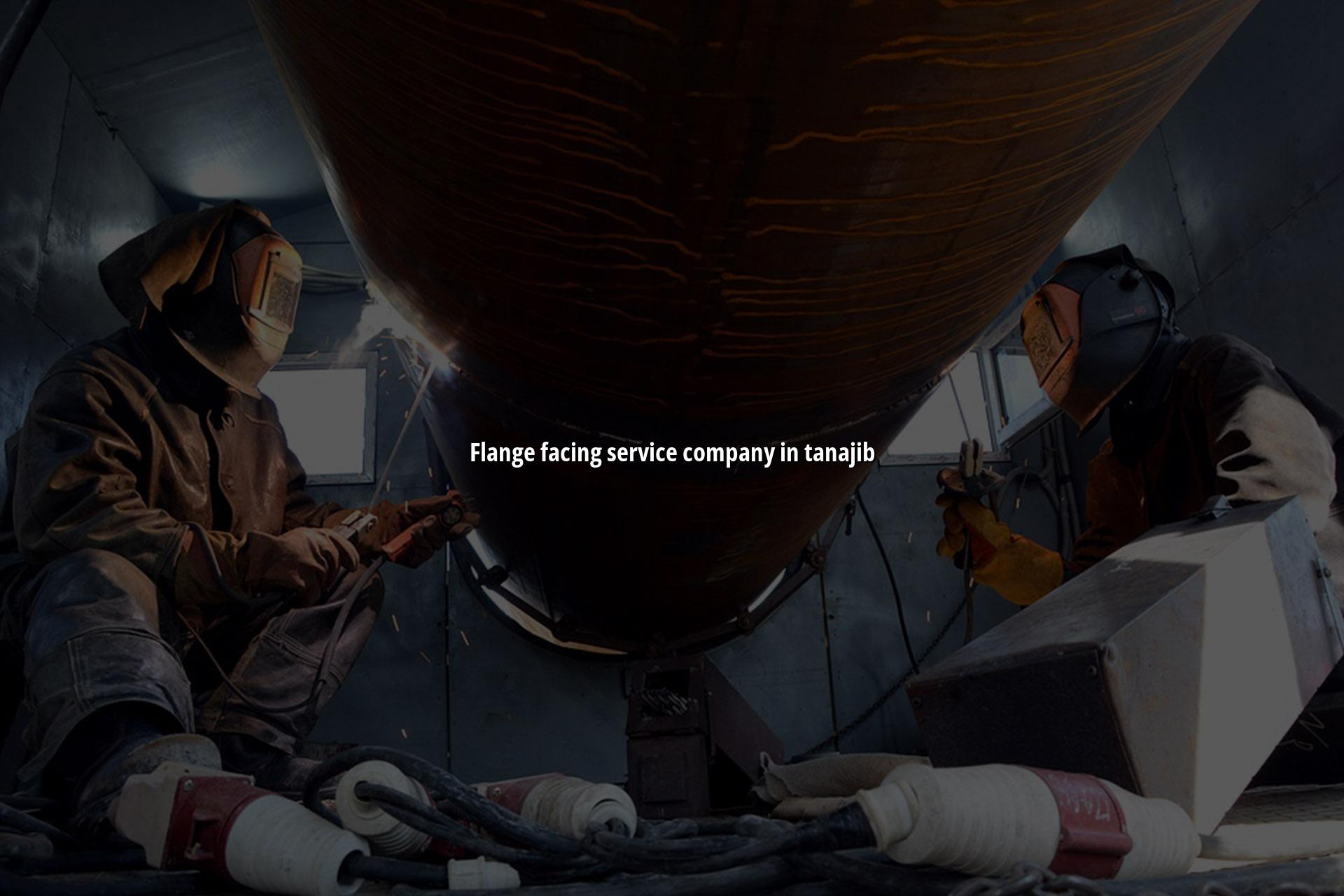
Flange facing service company in Tanajib support matters when a gasket joint keeps failing and the sealing face is no longer true. We machine damaged, pitted or uneven flanges onsite so your maintenance team can restore the joint properly and keep the line moving.
In Tanajib, the work often sits inside oil & gas maintenance windows, compressor skids, process piping and utility tie-ins. Our team brings the field tooling, the measurement discipline and the practical judgment needed for Saudi industrial sites where shutdown time is tight and the tolerance for rework is even tighter.
Why a flange facing service company in Tanajib is needed
When a flange surface is scratched, corroded, distorted or left with a poor finish, the gasket does the hard work and usually loses. That shows up as seepage, repeat bolt-up issues, failed pressure testing or a joint that looks fine at first start-up and then begins to weep under load. We see this most often on aged piping, maintenance spools, heat-exposed lines and equipment that has been opened and closed too many times.
What we actually machine on site
Our flange facing work is done with portable machining equipment that suits field conditions. We handle raised face, flat face and other common sealing arrangements used on industrial piping, exchangers, vessels and skids. The point is simple: restore a consistent, clean sealing face so the gasket can compress evenly and the bolt load can do its job.
Why Tanajib jobs need field readiness
Tanajib work often starts with access constraints, live plant coordination and a very clear handover window. That means the machine has to arrive ready, the setup has to be checked carefully and the measurement work has to be taken seriously from the first pass. Our mechanical team is used to that rhythm. We work with maintenance supervisors, shutdown planners and QA personnel who need the job done without drama.
- Inspect the flange face — we check for groove marks, corrosion, warping and any evidence of gasket blow-by.
- Confirm the setup — the machine is aligned to the flange so the cut follows the face cleanly and evenly.
- Machine the sealing surface — material is removed only as needed to recover a usable face.
- Verify finish and flatness — we check the result before the joint moves back to assembly and torqueing.
- Helps stop repeat gasket leaks after maintenance or shutdown work
- Supports safe reassembly after hydrotest or pressure testing issues
- Works well for oil & gas, petrochemical and power plant piping
- Fits field work where removing the flange is slow or impractical
Common flange facing situations and the usual response
| Field condition | What we normally find | Typical action |
|---|---|---|
| Leak after gasket change | Old scoring, dirt embedment or uneven face contact | Clean, measure and re-face the sealing area |
| Corrosion on the flange | Pitting or surface damage near the gasket track | Restore the face and check if the joint can still be trusted |
| Repeated bolt-up issues | Face mismatch, poor alignment or distorted joint geometry | Machine the face and coordinate with proper torqueing |
| Shutdown repair window | Short access time and limited space around the spool | Use portable onsite machining with careful setup and verification |
What good flange facing changes on a live job
A properly faced flange gives the gasket a consistent contact pattern. That sounds basic, but in the field it makes a big difference. You get less guesswork during bolt-up, less repeat opening of the same joint and a far better chance of passing the next pressure test without chasing the same leak again.
Where the work fits with other mechanical services
Flange facing rarely stands alone. On many Tanajib jobs we combine it with bolt torquing, flange weld testing, hydrotesting support or general mechanical repair. When the joint is part of a wider maintenance scope, that combined approach saves time and avoids the common mistake of fixing one problem while leaving the real cause untouched.
Built for oil & gas maintenance work
Our team works with process piping, compressor packages, utility lines and plant equipment where the sealing face has to be right the first time. We keep the focus on fit-up, surface condition and practical field checks, not just on the machining pass itself.
How to plan flange facing before a shutdown
Good planning starts before the machine is on site. Your team should identify the flange type, nominal size, line service, access restrictions and the reason the joint failed. If a flange has already been over-tightened or damaged during removal, that detail helps us decide how to approach the repair and whether the face can be recovered onsite or needs closer review first.
We also recommend checking the surrounding conditions. If the joint sits near hot equipment, vibrating machinery or a corrosive environment, the next failure may not be only about the surface finish. That is where an experienced mechanical service provider helps, because we look at the joint as part of the system, not as a single isolated face.
For Saudi plants, especially in the Eastern Province industrial network, maintenance teams usually want clear documentation, sensible coordination and no confusion during handover. Our approach is straightforward. We arrive with the right setup, explain what we found, record what was done and leave the joint ready for the next stage of assembly.
That habit matters in Tanajib, where projects often involve shutdown teams, OEM contractors and operations staff all working against the same clock. A clean machine finish helps, but clear communication helps just as much.
How Mayon Industrial Services Can Help
We provide flange facing as part of our broader mechanical services for industrial sites in Saudi Arabia and the Middle East, backed by the same practical mindset we use for hydrotesting, bolt torquing, testing and commissioning, and repair work. If your Tanajib joint needs field machining, our team can support the repair from inspection through to final assembly. We can also coordinate the job with related calibration, inspection or laboratory work when the maintenance scope needs it.
Call +91 99447 80844 (India) or +966 59 633 8012 (Saudi Arabia), email services@mayonservices.com, or message us on WhatsApp.
Frequently Asked Questions
We do, and we handle it as a field mechanical service rather than a generic machining job. That matters because a Tanajib site often needs coordination with shutdown windows, access limits and safety controls. We focus on the flange face, the joint condition and the practical fix needed to get the line back into service properly.
Yes, that is usually the point of portable flange facing. If the access is safe and the setup is stable, we can machine the face in place and avoid the delay of removing the spool. We still check the flange condition carefully first, because a face that is badly distorted or heavily damaged may need a different repair plan.
Repeat leaks, gasket imprint issues, visible scoring, corrosion and poor bolt-up feel are the usual clues. We also pay attention after hydrotest failure or after a joint has been opened too many times during maintenance. In plants around Tanajib, those symptoms usually show up on process lines, utility systems and equipment skids.
Yes, and that is often the better way to do the job. We can combine flange facing with bolt torquing, flange weld testing, hydrotesting support and general repair work so the joint is finished as one coordinated scope. That approach helps maintenance teams avoid repeat interventions on the same line.
Send us the site location, flange size if you have it, the service line details and the reason the joint failed. A photo helps, but it is not mandatory. Then contact us through the request quote page, phone or WhatsApp, and we’ll help you plan the next step without wasting time.
Ready to put the sealing face right?
If your Tanajib joint needs field machining, we can help you move from recurring leaks to a proper repair plan.
Contact Mayon