
Flange Weld Testing Service Company in Hail
Field testing for flange joints, weld quality checks, and practical reporting for plant teams working in Hail and nearby industrial sites.
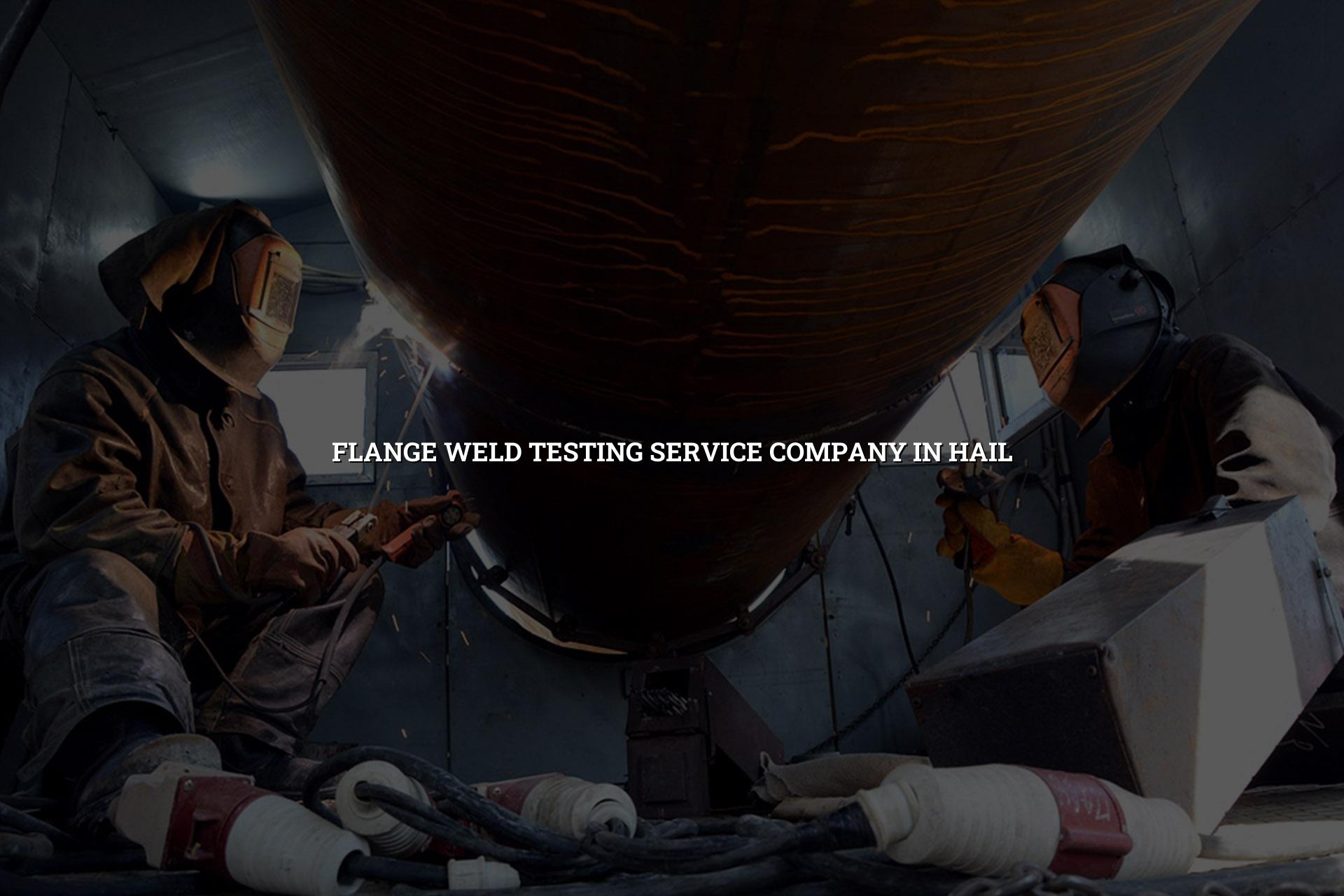
Flange weld testing service company in Hail support usually starts with one simple question: are the joints safe to hold pressure and stay tight once the system is back online? That’s the real reason people call us. They need weld checks, flange verification, and practical proof before a shutdown ends or a new line is handed over.
We work with maintenance teams, project engineers, and QA staff across Saudi Arabia, including Hail and nearby industrial locations. Our team brings field inspection experience, ISO/IEC 17025:2017 discipline where calibration is involved, and a no-nonsense way of reporting that helps you decide what to repair, what to rework, and what can go back into service.
What a Flange Weld Testing Service Company in Hail Actually Checks
When people search for a flange weld testing service company in Hail, they’re often dealing with one of three situations: a new installation that needs confirmation, a repair weld that needs acceptance, or an older line that has started to show leaks, misalignment, or vibration. In all three cases, the job is more than “look at the weld.” We check fit-up condition, surface condition, weld quality indicators, and the integrity of the flange connection as part of a wider mechanical risk review.
Why flange joints fail in real plants
Most failures we see are not dramatic. They start with poor alignment, gasket damage, uneven bolt tightening, or a weld that looked fine on the outside but did not behave well under load. In oil and gas, petrochemical, and power facilities around Saudi Arabia, those small issues can turn into repeat shutdowns. Hail teams usually want a methodical check before they spend time on retightening, cutting, or rework.
How we approach testing on site
We keep the process practical. That means using suitable inspection methods for the joint condition, checking the surrounding pipe and support points, and looking at the flange face, bolt pattern, and weld area together rather than separately. If the project calls for supporting measurements, our calibration background helps keep the instruments and tools in line with traceable practice.
- Review the joint history — we ask what happened before the leak, repair, or shutdown, because the failure pattern matters.
- Inspect the weld and flange area — our team checks visible defects, alignment, and any signs of distortion or stress.
- Select the right test path — depending on the line, that may involve NDT support, hydrotesting, or a mechanical integrity check.
- Record findings clearly — we document the condition, the concern, and the next action so your crew can work from facts.
- Check flange alignment before blaming the weld alone.
- Inspect bolt tightening patterns and gasket seating as part of the job.
- Use NDT where the joint condition calls for a closer look.
- Keep repair decisions tied to site evidence, not guesswork.
Common Flange Weld Testing Methods and Where They Fit
| Method | Typical Use | What It Helps Confirm |
|---|---|---|
| Visual inspection | First look after installation or repair | Alignment, surface condition, obvious weld issues |
| Liquid penetrant or other NDT support | Surface-breaking defect checks where suitable | Cracks, open defects, weld surface indications |
| Hydrotesting | Pressure integrity checks on completed systems | Leak tightness and joint behavior under test pressure |
| Mechanical integrity review | Repeat leak or vibration complaints | Bolt pattern, flange face condition, support stress, fit-up issues |
Why Hail Projects Need Practical Testing, Not Just Visual Checks
In Hail, many industrial jobs sit in maintenance windows that are already tight. You don’t want a repair team guessing after the system is partially opened, especially when the line carries process fluids, utilities, or steam. A visual check is a start, but it won’t tell you enough on its own when there’s repeat leakage or a history of flange movement.
What changes the test method
The right method depends on pipe size, service condition, the type of weld, and what the client is trying to prove. A repair on a vibration-prone line doesn’t need the same approach as a newly fabricated skid. We choose the method to match the site, not the other way around, and that saves time later because the report speaks to the actual problem.
Built for shutdown teams
We’ve found that maintenance managers usually want two things: a clear pass/fail answer where possible, and enough technical context to brief production safely. That’s how we write our findings. If a flange needs rework, we say so. If the issue sits upstream in support or alignment, we say that too.
How the Inspection Supports Repair Decisions and Commissioning
A good flange weld test does not stop at identifying a defect. It should help your team decide whether to clean, retorque, reseal, re-weld, or replace the part. That’s especially useful for petrochemical units, power plants, and fabrication yards where a small flange issue can affect several connected systems.
Our work often sits beside other Mayon services such as mechanical services, hydrotesting, NDT support, and testing and commissioning. That matters because the problem is rarely isolated. If the weld is acceptable but the flange face is damaged, the next step changes. If the weld and face both look sound, you can focus on the surrounding piping and operating history instead.
We also pay attention to site conditions. Access, temperature, and the way the assembly is supported can affect both the inspection method and the final decision. In our experience, teams in Hail appreciate direct reporting because it speeds up the conversation between maintenance, safety, and operations.
For higher-risk systems, we may recommend combining inspection with related checks from our electrical testing, condition monitoring, or repair and maintenance workstream. That’s not extra noise. It’s how you stop a flange problem from becoming a repeated shutdown story.
How Mayon Industrial Services Can Help
We support flange weld testing with the right mix of field inspection, NDT coordination, mechanical checks, and supporting calibration discipline when measurement tools are involved. If your Hail site needs a repair opinion, a pre-commissioning check, or a post-maintenance review, our team can work around the shutdown plan and keep the findings usable for your engineers. We also handle related services like hydrotesting, bolt torquing, flange work, and commissioning support, so you’re not forced to juggle separate contractors for a linked problem.
Call +91 99447 80844 (India) or +966 59 633 8012 (Saudi Arabia), email services@mayonservices.com, or message us on WhatsApp.
Frequently Asked Questions
We do, through Mayon Industrial Services and our Saudi operations support. We work with plant teams that need field inspection, weld-related checks, and practical reporting for maintenance or commissioning work. The goal is to give you a decision you can act on, not a vague inspection note.
Yes. That’s often the smarter sequence because you catch visible issues, alignment problems, or weld concerns before the pressure test starts. It saves time, and it helps reduce the chance of repeating the same shutdown work twice.
That depends on the joint and the site condition. We usually start with a visual review, then add NDT support or hydrotesting where the job calls for it. If the issue is mechanical rather than purely weld-related, we also look at alignment, flange face condition, and bolt tightening patterns.
Yes, that’s the kind of work we handle most often. We coordinate around shutdown windows, access limits, and site safety rules, then give you the findings in a way maintenance and operations can use quickly. If the joint needs rework, we’ll say it plainly.
Yes. Along with flange weld testing, we can support hydrotesting, bolt torquing, flange facing, testing and commissioning, and other mechanical services. That helps when the job is part of a bigger repair scope and you want one team to stay with the issue through to closeout.
Need a flange weld check before the line goes live?
Send us the site details, and we’ll help you choose the right inspection path for your Hail project.
Contact Mayon