
Flange Weld Testing Service Company in Petro Rabigh
Onsite flange weld checks for Petro Rabigh teams that need clear findings, traceable records and work that fits shutdown pressure.
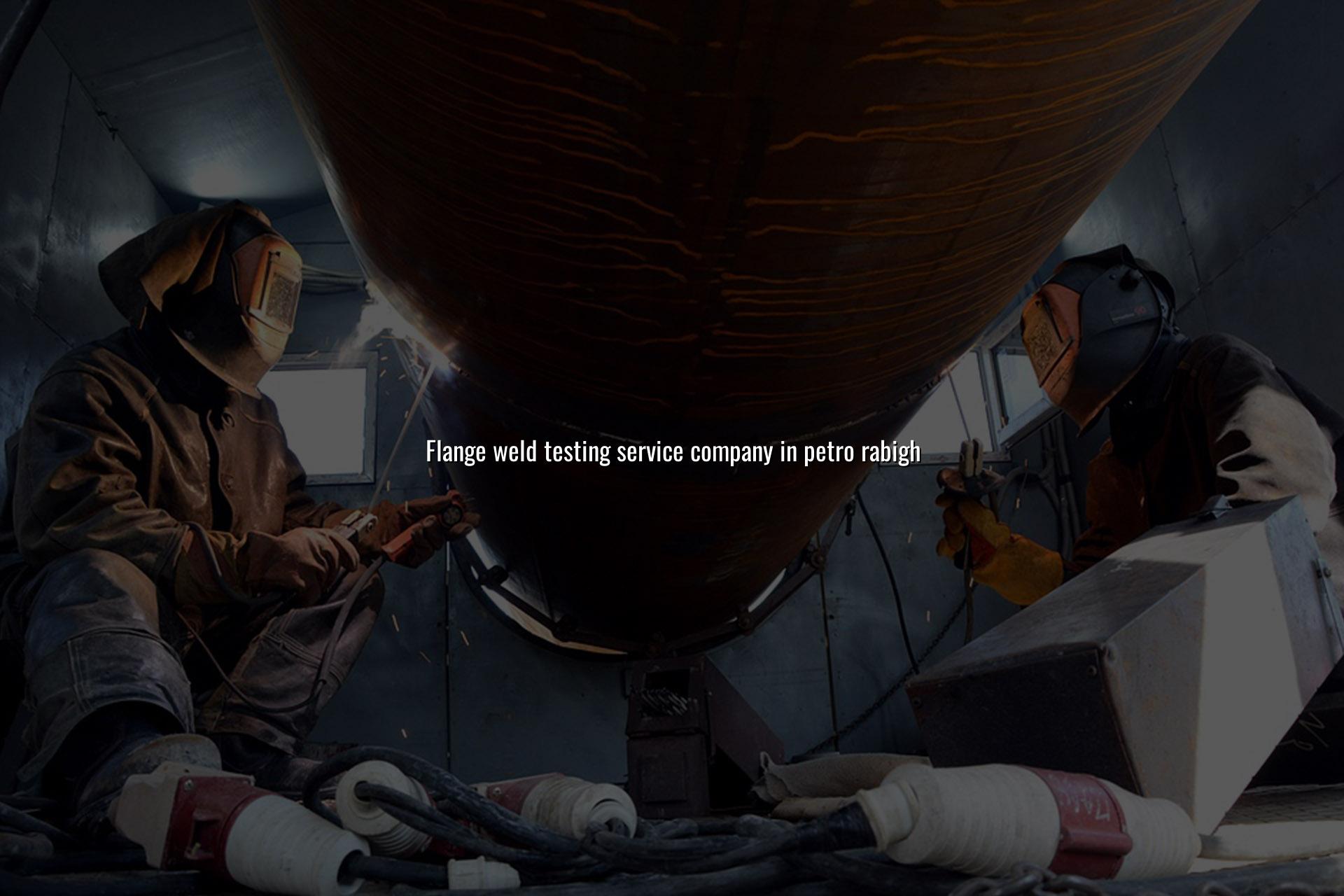
Flange weld testing service company in Petro Rabigh searches usually come from a real need: you want the weld checked before the system goes back into service, and you need the result to stand up in front of QA, maintenance and client representatives. We help you get there with practical inspection, clear records and a field team that understands plant work.
Our team works around shutdown windows, construction punch lists and repair scopes in Saudi Arabia and the wider Middle East. In Petro Rabigh, that means speaking the same language as oil, gas and petrochemical crews who need weld quality, fit-up control and traceable reporting without wasting time on back-and-forth.
What a flange weld testing service company in Petro Rabigh should cover
For flange joints, the testing job is bigger than a quick visual look. A proper scope looks at weld condition, joint preparation, alignment, visible discontinuities, dimensional fit and the route your team will take if a repair is needed. In petrochemical plants around Rabigh, that matters because a small defect at a flange can turn into a shutdown problem when the line is pressurised again.
Where flange weld checks usually start
We normally begin with the weld area itself, the flange face condition and the surrounding pipe end. On live plant jobs, we also check whether the joint was protected during fabrication, transport or laydown, because damage often shows up before any test gear is even brought in. If the scope calls for NDT, we coordinate the sequence so the inspection follows the access plan rather than fighting it.
What your team gets from the report
You need more than a pass or fail. A useful report tells you what was checked, what was observed, what standard or job specification was used and what action comes next. That is the kind of document supervisors can hand to the client, turn over to the commissioning team or use while closing out punch items.
- Confirm the job scope — we review the flange size, service, location and the type of weld work before any field visit.
- Inspect access and condition — the team checks the joint area, face condition, visual condition and any signs of distortion or damage.
- Apply the required testing method — visual inspection, NDT coordination or related checks are carried out as the job demands.
- Document findings clearly — you receive traceable notes, observations and a practical close-out path for repair or acceptance.
- Check flange face damage before the line is boxed up or handed over.
- Keep weld and fit-up records aligned with QA release points.
- Use field reporting that maintenance teams can read without guesswork.
- Plan testing around shutdown access, scaffold limits and permit windows.
- Combine inspection with repair guidance when a defect needs follow-up work.
Flange weld testing scope for Petro Rabigh projects
| Project stage | What we check | Why it matters |
|---|---|---|
| Fit-up stage | Alignment, gap, flange orientation and obvious handling damage | Helps stop weld defects before final closure |
| After welding | Visual condition, surface appearance and any visible crack-like indications | Flags issues before pressure testing or handover |
| NDT follow-up | Test method selection, access, marking and recorded results | Keeps inspection traceable for QA review |
| Close-out stage | Repair notes, acceptance comments and handover records | Makes shutdown closeout easier for plant teams |
How we keep flange weld testing practical on site
On Petro Rabigh sites, the real issue is rarely the test itself. It is getting the test done with safe access, the right permit route and a report that the next shift can actually use. We keep the process simple, document the observations properly and work in a way that suits both new installation and maintenance repair jobs.
Why field coordination matters
A flange weld can sit in a tight line-up, close to vessels, racks or skids, so the inspection plan has to respect the plant layout. Our mobile capability helps when you do not want to remove instruments or parts just to prove a point. For parts that need controlled handling, we can arrange pick-up and delivery from the India side and manage the work through the lab where needed.
Built for plant work, not desk work
We support flange weld testing alongside hydrotesting, bolt torquing, flange facing, testing and commissioning, and related inspection tasks. That means one call can cover more than one field issue, which is how shutdown teams usually prefer to work.
Standards and records that suit industrial buyers
Industrial teams in Saudi Arabia and the GCC often ask for a calm, traceable process, not a flashy promise. That is where our ISO/IEC 17025:2017 discipline matters, along with ISO 9001:2015 quality practices and the inspection approach expected under BS EN standards when lifting or related site checks are in play. For electrical calibration support, EURAMET CG-15 is part of the way we keep traceability clean.
On flange weld work, those habits show up in the way we mark jobs, record findings and hand back evidence. If you are managing a brownfield repair, a pre-commissioning line or a maintenance outage, a tidy record saves time when the client asks for proof later.
What to keep in your internal file
We usually recommend keeping the weld ID, line number, date, test method, inspector name, photo notes and any repair status in the same folder. That sounds basic, but it is exactly the sort of detail that gets lost when too many subcontractors touch the job. In our experience, the jobs that close fastest are the ones with the least confusion in the paperwork.
- Keep weld identifiers tied to the line list and isometric drawing.
- Record the inspection method used on each joint.
- Store photos with date and location notes.
- Separate accepted, repaired and re-tested joints in the file.
When a flange weld needs repair instead of release
Not every flange weld passes first time, and that is normal on site. What matters is how quickly the issue is identified and how cleanly the repair path is documented. If the weld shows visible defect, poor fit-up or other concerns, we help you isolate the problem, record it and decide whether repair, rework or retest is the right next step.
That approach fits refinery and petrochemical work around Rabigh, where one small delay can affect several downstream crews. We keep the wording plain so supervisors, welders and QA staff all understand the same thing.
When the line needs more than inspection, Mayon can also support mechanical services such as cold cutting, flange weld testing coordination, hydrotesting, bolt torquing and tensioning, flange facing and testing and commissioning. If the job needs laboratory or field support for instruments, we can also look at calibration planning, repair and maintenance, or a wider shutdown package.
How Mayon Industrial Services Can Help
If you need a flange weld testing service company in Petro Rabigh, we can support the job with inspection, mechanical services, NDT coordination and practical close-out reporting. Our team works across Saudi Arabia, India and the Middle East, and we understand the pace of plant maintenance, shutdown work and pre-commissioning checks. If you want one team to keep the scope straight and the paperwork usable, talk to us.
Call +91 99447 80844 (India) or +966 59 633 8012 (Saudi Arabia), email services@mayonservices.com, or message us on WhatsApp.
Frequently Asked Questions
We check the weld area, flange condition, fit-up quality and any visible defects that could affect service. If the job needs NDT or related verification, we build that into the scope so the result is useful for QA and commissioning. The goal is simple: give you a report that helps you decide whether the joint can move forward or needs repair.
Yes, we can work around shutdown timing and permit windows. That is usually how these jobs happen, and we keep the scope tight so your team is not waiting on unnecessary steps. If the line needs mechanical follow-up, we can align the inspection with repair work and close-out reporting.
Yes. We keep the report wording practical and traceable, with the information teams usually ask for: what was inspected, what was found and what the next action should be. That makes it easier to hand the file to a client representative, close a punch item or schedule rework.
Most of the demand comes from oil and gas, petrochemical, power and manufacturing work, especially where piping integrity matters. We also see it on construction and maintenance scopes where a flange joint sits in a critical line or near commissioning hold points.
Yes, and that is often the cleaner way to do it. We can align flange weld testing with bolt torquing, flange facing, hydrotesting, cold cutting and testing and commissioning so your site team deals with one coordinated visit instead of several scattered ones.
Ready to get the flange weld checked properly?
Send us the scope, the line details and the site location, and we'll help you plan the next step with clear, field-ready support.
Contact Mayon