
Flange Weld Testing Service Company in Rabigh
Testing and verification for flange joints on Saudi plant and pipeline work, with reporting that fits site QA needs.
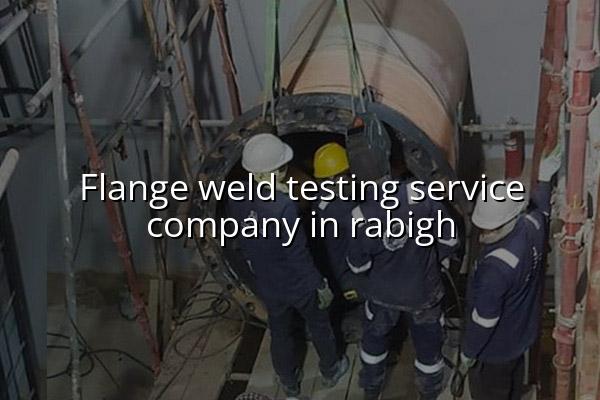
Flange weld testing service company in Rabigh support starts with knowing what the joint has to survive. In a Rabigh plant, that might mean hydrocarbon lines, utility skids, or shutdown work where a bad weld can stop the whole crew. We help you check the joint before it becomes a leak, a rework, or a handover problem.
Our team works with Saudi project teams who need practical field support, clear records, and proper traceability. We handle flange weld testing alongside calibration, inspection, mechanical services and testing support, so your QA and maintenance people are not chasing three different vendors for one job.
What a Flange Weld Testing Service Company in Rabigh Should Cover
For most Rabigh jobs, the real need is not just a weld test. You need a check that matches the line size, material, pressure class, and site access. That can include visual review of fit-up, flange face condition, weld profile checks, NDT coordination, and pressure testing where the work pack asks for it. In our experience, the best time to find an issue is before the line is boxed in, painted, or put back into service.
Before the test starts
We usually begin with the joint details: flange type, pipe schedule, weld procedure, and the acceptance criteria in the project file. If the work is in a refinery, petrochemical unit, or utility area around Rabigh, the permit system matters just as much as the inspection method. Site teams often want a vendor who can read the same documents they do and stay consistent with ISO 9001:2015 quality control habits.
What gets checked on site
We look for the practical things first. That means flange alignment, gasket seating surface condition, weld accessibility, evidence of distortion, and signs that the bolting pattern may not hold evenly once the line is pressurised. If the joint needs third-party support, we can pair the inspection with related mechanical services, NDT coordination, and calibrated instruments from our ISO/IEC 17025:2017 lab support.
- Review the joint package — confirm the line spec, weld map, pressure rating, and the inspection method the site has approved.
- Check the fit-up — verify flange alignment, root gap, and face condition before the final weld is accepted.
- Run the selected test — carry out visual inspection, NDT support, or pressure-related verification based on the job requirement.
- Record the result — issue clear findings so maintenance, QA, and the client’s inspector can sign off without confusion.
- Use calibrated gauges, torque tools, and measuring devices for repeatable results.
- Confirm the joint meets the project’s weld and pressure acceptance points before reinstatement.
- Keep reports readable for QA, construction, and operations teams.
- Ask for onsite support when the line is too large or too sensitive to move.
- Match the test plan to refinery, petrochemical, or utility work in Saudi Arabia.
Common Flange Weld Checks for Rabigh Site Teams
| Check | What It Tells You | Typical Site Use |
|---|---|---|
| Visual inspection | Shows visible weld shape, face condition, and obvious fit-up issues | First pass before NDT or reinstatement |
| Dimensional check | Confirms alignment, gap, and flange face condition | Useful on new fabrication and repair work |
| NDT support | Finds surface or internal discontinuities based on the method selected | Used when the work pack requires a deeper weld check |
| Pressure-related verification | Helps confirm the joint holds under the required system condition | Common on process lines, utilities, and shutdown jobs |
Why Rabigh Projects Need Tight Weld Control
Rabigh work often sits in hard-use industrial areas where shutdown windows are short and the line has to come back cleanly. A small defect on a flange weld can create a much larger problem once pressure, vibration, or thermal cycling begins. That is why many site managers ask for testing support that is tidy, documented, and linked to the actual line conditions.
Where the risk usually shows up
We see the same trouble spots again and again: poor flange facing, off-centre fit-up, uneven tightening, missed weld defects, and instruments that have not been verified properly. When the checks are done with the wrong tools, the report looks complete but the joint still fails later. Our approach is to keep the tools in traceable condition and keep the test sequence practical for the crew on the ground.
Built for plant and pipeline work
We support flange weld testing alongside hydrotesting, bolt torquing, flange facing, inspection, and commissioning help, so your Rabigh team can keep one plan for the whole joint. That matters on oil & gas, petrochemical, and power jobs where shutdown discipline and clear paperwork are part of the job, not an extra.
How We Keep the Test Record Useful Later
A good report should help the next person, not just close the job today. That means we note the joint location, the method used, the result, the instrument condition where relevant, and any follow-up item that needs repair or recheck. For Saudi clients, that kind of record is handy during audits, shutdown reviews, and handover meetings.
Why the paperwork matters
If a weld or flange joint comes back months later, the maintenance team needs more than a pass stamp. They need to know what was checked, by whom, and against which site requirement. We keep the language plain, and we avoid filler that makes a report longer without making it clearer.
Useful for handover and audits
We can support the job with inspection notes, calibrated measurements, and service records that fit into the client’s QA file. That helps especially when the work is spread across fabrication, field erection, and commissioning teams in the Rabigh area.
How Mayon Industrial Services Can Help
We support Rabigh clients with flange weld testing, mechanical services, calibration, inspection, and commissioning support when a joint needs more than a quick look. Our India and Saudi Arabia teams work with the same industrial mindset, so you get practical field support and records that fit the job. If you need help on shutdown work, repair work, or a new installation, send the details and we’ll help you plan the next step.
Call +91 99447 80844 (India) or +966 59 633 8012 (Saudi Arabia), email services@mayonservices.com, or message us on WhatsApp.
Frequently Asked Questions
We do, and we handle it as part of a wider industrial support package. That helps when the job needs testing, inspection, calibration, and a little mechanical support in the same visit. For shutdowns, that kind of coordination saves a lot of back-and-forth on site.
Most jobs start with visual and dimensional checks, then move to whatever NDT or pressure-related verification the work pack calls for. We also look at flange face condition, fit-up, and any distortion that could affect sealing. If the joint is part of a larger line, we keep the record tied to the actual installation point.
Yes, our Saudi Arabia team works from Dammam Industrial City 2 and supports site jobs across the Kingdom, including Rabigh. We’re used to field conditions where access, permits, and turnaround on paperwork matter. If the line needs onsite attention, that’s usually the best route.
Yes, that is a common part of our work. We support oil & gas, petrochemical, power, manufacturing, and related industrial sites where weld quality and flange integrity affect uptime. The method depends on the site requirement, not a generic checklist.
Yes, and that matters more than many crews expect. When tools are traceable and the inspection record is clear, the handover is easier and the client’s QA team has fewer questions later. Our ISO/IEC 17025:2017 lab support is part of that approach.
Send us the job location, line details, and the inspection requirement through the contact page or request-quote page. If it’s urgent, you can call the Saudi or India numbers shown on the page. We’ll take it from there and help you work out the most practical test plan.
Ready to check the joint before it becomes a problem?
Send us the flange details, site location, and required test method, and we’ll help you line up the right support for Rabigh work.
Contact Mayon