
Flow Meter Calibration Company in Dammam Industrial City 2
Traceable calibration support for process lines, utilities and field instruments serving industrial sites in Dammam and across the Eastern Province.
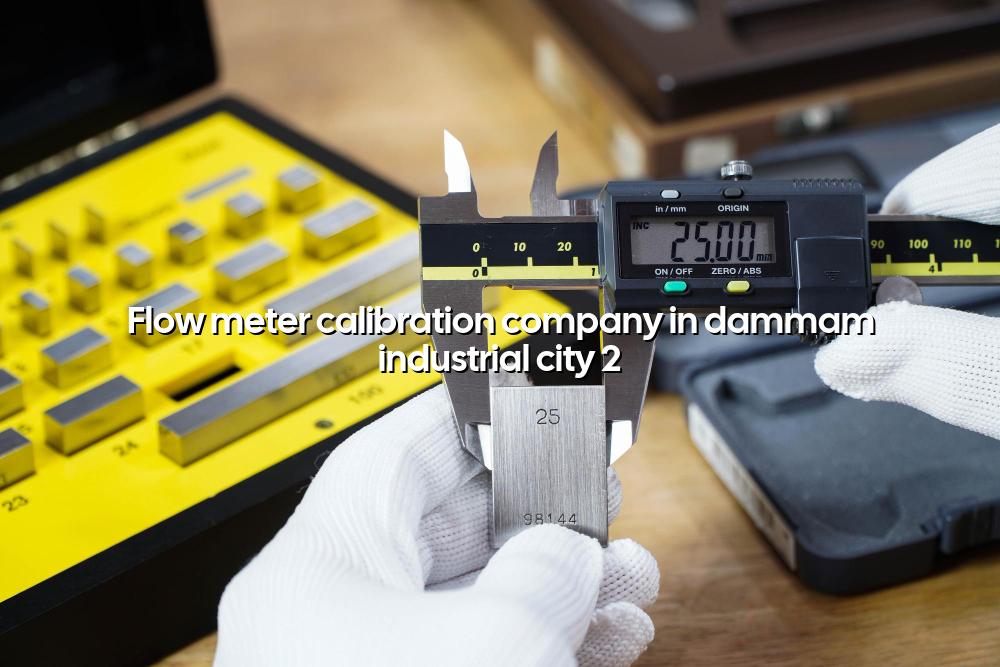
Flow meter calibration company in Dammam Industrial City 2 is the kind of search people make when a line reading looks off and the production team needs a real answer, not guesswork. We help you verify whether the meter is reading the process correctly, so you can trust the numbers feeding batching, transfer, custody checks and utility monitoring.
At Mayon Industrial Services, we work with industrial sites that need traceable calibration support in Saudi Arabia, the Eastern Province and the wider Middle East. Our team understands the pressure of plant shutdown windows, the need for clean records and the reality of field work around refineries, fabrication yards, utilities and cold-chain facilities.
Why a flow meter calibration company in Dammam Industrial City 2 matters
A good flow meter calibration company in Dammam Industrial City 2 does more than compare a reading against a reference. We look at the full use case: the process medium, pipe size, installation condition, available isolation time, and the tolerance the site actually needs for operations, quality or maintenance records. That matters in oil and gas, petrochemical plants, power facilities and manufacturing lines where a small drift can change stock counts, alarms or performance checks.
What we usually see on site
In our experience, the first issue is often not the meter itself. It may be air in the line, poor upstream straight length, a tired transmitter, loose wiring, or a maintenance intervention that never made it back into the instrument register. We’ve seen that pattern in Dammam, Jubail-linked operations and plant utilities across Saudi Arabia. Once the cause is clear, the calibration step becomes far more meaningful.
Onsite work or in-lab verification?
Some meters are best checked in place, especially when shutting down a process is expensive or when the installation condition is part of the problem. Others are easier to remove and send for controlled verification in a temperature-controlled laboratory. We also arrange pickup and delivery for instruments that need special handling, which is helpful when a site wants better environmental control around the test.
- Review the application — we identify the meter type, process fluid, installation location and the reason the reading needs checking.
- Inspect the setup — our team checks mounting, piping condition, signal wiring and visible issues that can distort measurement.
- Compare against reference — we use suitable calibration methods and traceable standards to assess error across the expected range.
- Document results clearly — you receive findings that can support QA records, maintenance logs and follow-up action for the instrument.
- Check whether the meter is being used for custody, process control or simple monitoring before you choose the calibration scope.
- Confirm the line condition first; flow problems often come from installation, not the meter body.
- Keep the instrument history handy so repeat drift can be compared against past readings.
- Ask for traceability under ISO/IEC 17025:2017 when your site needs stronger QA documentation.
Common flow meter types and what the calibration team looks at
| Meter type | Typical use | What we check |
|---|---|---|
| Magnetic flow meter | Water, slurry and conductive process lines | Signal stability, zero point, output consistency and installation condition |
| Turbine flow meter | Clean liquid transfer and process dosing | Rotor response, bearing condition, repeatability and output drift |
| Ultrasonic flow meter | Non-intrusive process monitoring | Clamp-on setup, transit-time behavior, coupling quality and alignment |
| Positive displacement meter | Fuel, lubricants and measured transfer | Mechanical wear, leakage, repeatability and reading error across range |
How we keep flow calibration useful for QA teams
Traceability matters because the report has to stand up in front of auditors, maintenance managers and procurement teams. We work to ISO/IEC 17025:2017 for calibration competence, and we keep the discussion practical: what was measured, what tolerance was used, what condition the instrument was in, and what the next action should be. For GCC operations, that clarity helps when a meter is tied to production, loading, utility consumption or compliance records.
Why the report format matters
A clean report is easier to file, easier to compare later and easier to use when a meter starts drifting again. If the line is part of a larger commissioning or maintenance effort, our calibration findings can sit alongside mechanical checks, electrical testing or commissioning records without creating confusion.
Built for industrial sites
We support refineries, process plants, utilities, manufacturing units, cold-chain operations and engineering contractors that need practical evidence, not a generic certificate. The work is shaped around your line, your access window and your operational risk.
What can affect a flow meter reading before calibration starts?
Before any meter is removed or tested, we usually ask a few plain questions. Has the process changed? Was there a pump swap, pipe modification or valve replacement? Has the meter been sitting idle? These details matter because a reading problem can start upstream, not inside the instrument. In Saudi industrial sites, we also look at whether the meter has seen heat, vibration or process disturbance that could have changed the signal path.
For onsite visits, good access helps. A safe isolation plan, proper tagging and a clear point of contact on the shift make the work smoother. If the meter has to be removed, we’ll tell you what to prepare so the instrument can be handled correctly and returned to service without last-minute surprises.
Process and piping condition
Air pockets, partial blockage, poor straight run and damaged fittings can all distort flow measurement. We want the instrument to be judged fairly, so we start with the installation context.
Records and repeat checks
If the same meter keeps drifting, the history tells the story. Pattern recognition is often the fastest way to separate instrument wear from a one-off site issue.
How Mayon Industrial Services Can Help
If you’re looking for a flow meter calibration company in Dammam Industrial City 2, we can support you with onsite calibration, lab verification, pickup and delivery for sensitive instruments, and the technical follow-up that keeps records useful. Our wider team also handles mechanical services, electrical testing, inspection, temperature mapping and lab setup, so we fit naturally into shutdowns, commissioning jobs and maintenance plans. Send us the meter details and we’ll help you choose the right path.
Call +91 99447 80844 (India) or +966 59 633 8012 (Saudi Arabia), email services@mayonservices.com, or message us on WhatsApp.
Frequently Asked Questions
The right choice is usually the team that understands both the meter and the process around it. You want traceable calibration, field experience and clear reporting, especially if the meter affects production or QA records. We work with industrial clients in Saudi Arabia who need that mix, not just a test certificate.
Yes, onsite work is often the better option when the process can’t be disturbed for long. We assess the meter, the installation and the access conditions before choosing the method. That helps avoid needless removal when the issue can be checked in place.
Yes. We work under ISO/IEC 17025:2017 for calibration competence, and our documentation is prepared for industrial records, QA files and maintenance follow-up. If you need a report that can sit inside a formal document pack, tell us that upfront so we can align the scope.
We regularly work with magnetic, turbine, ultrasonic and positive displacement meters in industrial settings. The exact method depends on the meter type, the process medium and how the instrument is installed. If you send the model details, we can advise on the right route before the job starts.
Yes, we support clients in Saudi Arabia and across the Middle East, alongside our India operations. For Dammam Industrial City 2, that means we can work with local industrial requirements while keeping the service structured for traceability and practical field use.
Ready to get your flow readings back on track?
If your meter needs a proper check, we’re ready to help with practical calibration support, clear documentation and a setup that suits industrial work in Dammam and beyond.
Contact MayonWhen your numbers matter, you need a team that treats the job seriously and keeps the process straightforward. Mayon Industrial Services is built for that kind of work, with calibration and engineering support that fits real industrial conditions.