
Flow Meter Calibration Company in Marjan
Traceable flow meter calibration for Marjan sites, with onsite support, lab work and clear certificates for plant teams.
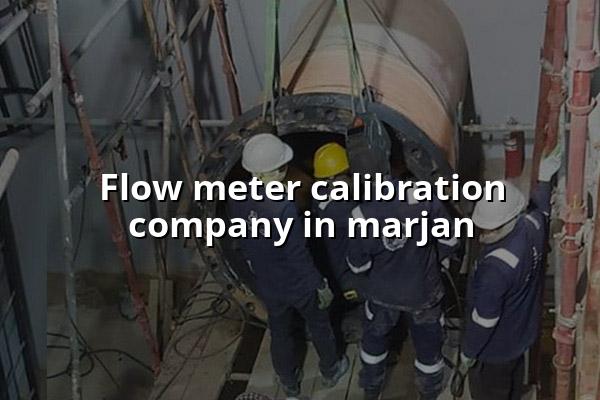
Flow meter calibration company in Marjan teams call when readings start drifting, custody-transfer checks look inconsistent, or a line needs traceable verification before handover. You get practical support, clear documentation, and calibration that fits plant work in oil and gas environments.
We handle this work for operators, contractors and maintenance crews working around Marjan and the wider Saudi industrial belt, where flow accuracy affects batching, utilities, process control and safety. Our setup includes an in-house lab, mobile calibration capability and pick-up or delivery for instruments that need special handling.
What a Flow Meter Calibration Company in Marjan Should Cover
For most site teams, flow meter calibration is not a paperwork exercise. It starts with matching the meter type to the application, then checking whether the meter is being used for process control, transfer, utility monitoring or a critical production step. We see this often with water, oil, chemical dosing and compressed-air related systems where a small error can turn into a larger maintenance issue later. The right test method depends on the meter body, line size, fluid, installation condition and the tolerance your process can actually live with.
Why Marjan sites ask for traceable verification
In Marjan, the expectation is usually simple: the result should stand up to an audit, a shutdown review or a client inspection. That is why ISO/IEC 17025:2017 traceability matters. It gives your maintenance and QA teams a defensible record, especially when meters support production accounting, utility balancing or commissioning checks. We also keep the work practical, because a plant floor does not stop for a perfect lab setup.
Onsite, in-lab or both?
Some meters can be checked effectively on site with portable reference equipment, while others are better handled in a controlled environment. Our temperature-controlled lab helps when a device needs steadier conditions, while the mobile calibration lab is useful for equipment that should stay in place. If an instrument needs special care during transport, we can arrange pick-up and delivery so the handling stays controlled from start to finish.
- Identify the service point — confirm the meter tag, process line, range, fluid and any recent complaints from operators or shift teams.
- Check the installation condition — look at straight-run availability, valves, filters, pulsation sources and signs of fouling or air entrainment.
- Run the calibration or comparison — use the proper reference setup, record readings across the useful range and note any drift or repeatability problems.
- Issue the record and next action — provide the certificate or report, flag out-of-tolerance findings and advise whether repair, cleaning or re-test is sensible.
- Ask for traceability under ISO/IEC 17025:2017, not just a simple bench check.
- Verify the meter in the range you actually use, not only at one convenient point.
- Keep an eye on pulsation, trapped air and vibration; they distort flow readings fast.
- Match the reference method to the meter type, whether it is mechanical, thermal or electro-technical support equipment.
Common Flow Meter Checks and What We Look For
| Meter / Application | Typical Check Focus | Why It Matters |
|---|---|---|
| Process water meters | Repeatability, fouling, zero stability | Helps catch drift before it affects utility control |
| Oil and hydrocarbon lines | Range accuracy, installation condition, traceability | Supports production records and transfer confidence |
| Chemical dosing meters | Low-flow performance, line integrity, leaks | Protects dosing quality and downstream process stability |
| Commissioning and maintenance checks | As-found reading, post-adjustment verification | Shows whether the meter needed correction or repair |
How Flow Meter Calibration Supports Plant Reliability
Good flow data keeps operators from guessing. When a meter is off, it can mask a blocked strainer, a pump issue, a valve problem or simple wear inside the instrument. That is why many teams in oil and gas, petrochemical and power work ask for meter verification alongside broader maintenance checks, not after the fact.
Where it shows up most
We often see flow-related questions during turnaround work, commissioning, utility balancing and pre-handover checks. The same is true in cold-chain support systems, HVAC loops and food or pharmaceutical utilities where stable flow helps keep the process steady. If the meter is part of a controlled record, the calibration report should be easy to file and easy to explain during review.
Built for real plant conditions
We work around active sites, shutdown windows and equipment that cannot just be pulled off the line without planning. That means the approach stays practical: check what can be checked onsite, take lab-grade care where needed, and keep the record clean enough for QA teams to use without chasing missing details.
What to Prepare Before You Send a Meter for Calibration
A little preparation saves a lot of back-and-forth. Before a meter comes in, your team should note the instrument tag, service location, process medium, range, previous certificate, and any symptoms seen on shift. If the meter has been giving unstable numbers, tell us whether the issue started after maintenance, cleaning, vibration or a process change. That context helps us focus faster.
We also recommend checking the surrounding line hardware. Dirty strainers, air pockets, loose fittings and worn seals can make a healthy meter look faulty. In practice, the best calibration jobs are the ones where the site shares real operating conditions, because then the result means something when it goes back into service.
- Keep the last certificate, even if you think the meter was never touched.
- Tell us the fluid type and normal operating range.
- Share any alarm history, drift logs or operator complaints.
- Confirm if the meter is needed back onsite or if bench work is safer.
How Mayon Industrial Services Can Help
If you need a flow meter calibration company in Marjan that understands both site pressure and traceable measurement, our team can help with calibration, inspection, repair support and commissioning-related checks. We also support broader plant needs such as mechanical services, electrical testing, condition monitoring and lab setup, so you can deal with one practical industrial partner instead of chasing five different vendors.
Call +91 99447 80844 (India) or +966 59 633 8012 (Saudi Arabia), email services@mayonservices.com, or message us on WhatsApp.
Frequently Asked Questions
We can support onsite work where the meter and process conditions allow it, and that is often the quickest way to get useful results on active sites. If the instrument needs better environmental control or special handling, we can shift it to our lab or arrange pick-up and delivery.
Yes, our calibration work is aligned with ISO/IEC 17025:2017 expectations for traceability and competence. That matters when your records may be reviewed by QA, client representatives or internal audit teams in Saudi Arabia or the wider Middle East.
Yes. That is a normal part of our work in Saudi Arabia and across industrial sites in India and the Middle East. We understand the need for proper records, controlled handling and a method that fits process-critical equipment rather than a one-size-fits-all check.
Send the meter tag, range, process medium, last certificate if you have it, and a short note on the problem you saw. If there were symptoms like drift, erratic flow, leakage or vibration, mention those too. That helps us choose the right setup before the job starts.
Yes, we can support repair and maintenance for related industrial equipment, and we’ll advise if the meter needs more than a calibration adjustment. In many cases, the root cause is in the installation or surrounding line hardware, so a quick repair-only approach is not always enough.
Need flow readings you can trust on site?
Send the meter details, and we’ll help you choose the right calibration route for Marjan work, lab handling or mobile service.
Contact Mayon