
Flow Meter Calibration Company in Red Sea
Traceable flow meter calibration for Red Sea industrial sites, with onsite support, lab handling and clear documentation for QA teams.
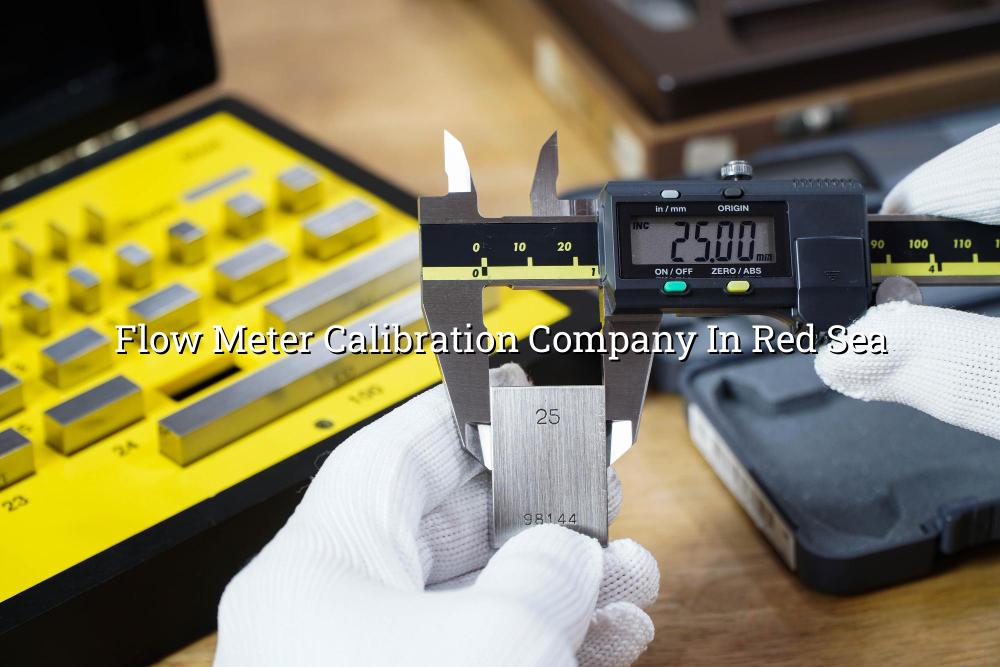
Flow meter calibration company in Red Sea searches usually come from teams that need proof, not promises. You want the meter checked against a traceable standard, the paperwork in order, and the job done without disrupting a plant, a terminal or a utility run.
That’s where we fit in. We work with industrial sites across Saudi Arabia and the wider Middle East, including Red Sea corridor projects where flow accuracy matters for water, fuel, chemicals and process utilities. Our team supports onsite work, mobile-lab jobs and controlled in-house calibration when instruments need more careful handling.
Flow Meter Calibration Company in Red Sea for Plant and Field Work
Most enquiries around the Red Sea are practical. A custody-transfer meter is drifting, a process line is reporting a mismatch, or maintenance wants to close a loop before the next run. In those situations, the real need is a calibration partner who can handle the meter type, the site conditions and the documentation trail in one visit.
Where calibration makes the biggest difference
We see flow checks requested on water systems, process skids, fuel lines, chemical dosing setups and utility circuits. In oil and gas, petrochemical and power work, even a small offset can throw off production figures or make troubleshooting harder than it should be. For Red Sea operations, that becomes a bigger issue when access windows are short and crews are already stretched.
What a proper service visit should cover
A good calibration job starts with the meter model, measurement range, fluid service and installation condition. From there, the technician checks whether the meter should be tested onsite, moved to the laboratory, or supported through a combination of both. We keep the process tied to ISO/IEC 17025:2017 practice, so the result is traceable and clear for QA, maintenance and compliance teams.
- Confirm the meter and service line — we identify the meter type, line size, range, fluid and installation points before anything is disconnected.
- Inspect the condition first — the meter body, fittings, seals, straight runs and nearby instruments are checked for anything that could affect the reading.
- Select the right method — depending on the meter and site setup, we plan onsite calibration, lab support or controlled pickup and delivery.
- Record results and traceability — readings, deviations and acceptance status are documented so your team has a usable record for audit and maintenance.
- Use a traceable calibration route for QA and plant records.
- Match the method to the meter type and process fluid.
- Plan around shutdown windows, permit rules and access limits.
- Keep the certificate and service notes easy to file and retrieve.
- Ask for onsite support when moving the meter would create unnecessary risk.
How Flow Meter Calibration Is Handled on Red Sea Projects
| Service route | Best use case | Typical site benefit |
|---|---|---|
| Onsite calibration | Installed meters on live or scheduled process lines | Less downtime and fewer removals from the system |
| In-house laboratory | Meters that need controlled conditions or careful handling | Tighter environmental control and cleaner documentation flow |
| Mobile calibration lab | Projects where access is limited but the meter can be tested nearby | Brings calibrated capability closer to the workfront |
| Pickup and delivery handling | Instruments that need special conditions during transport | Safer movement for delicate or sensitive equipment |
Why Accuracy Matters in Red Sea Industrial Operations
When a meter is off, the problem is rarely only the meter. Production figures become harder to trust, troubleshooting takes longer, and procurement or operations teams start working with shaky data. That’s why Red Sea clients usually ask for calibration support that is traceable, clearly reported and aligned with the equipment’s actual duty.
What your team gets from a cleaner calibration record
You get a clearer maintenance history, less back-and-forth between departments and a simpler audit trail. Our clients in Saudi Arabia often need to show that an instrument was checked properly before start-up, recommissioning or handover. A well-prepared certificate and readable test notes save time when people come back to the file months later.
Built for industrial teams, not just lab benches
We support oil and gas, petrochemical, power, manufacturing, healthcare, cold-chain and utility work. That matters because a meter in a process plant behaves differently from one on a bench. We plan around the environment you actually work in, not a textbook version of it.
Practical Checks Our Clients Make First
We usually tell clients to gather a few basics before the team arrives. It keeps the visit shorter and helps us choose the right setup on the first pass. If the meter is part of a skid or loop, a little preparation goes a long way.
For Red Sea projects, that preparation often means getting permit access sorted, confirming whether the line can be isolated, and sharing the meter details before the truck rolls out. Small things, yes. They save time.
- Share the meter make, model, range and serial number in advance.
- Confirm whether the unit is inline, skid-mounted or portable.
- Tell us if the service is water, fuel, gas, chemicals or another process fluid.
- Prepare site access, permits and any shutdown window before the visit.
- Keep the latest certificate or previous test record ready for comparison.
Common reasons clients call us
Drift after long service, a failed internal audit, replacement after maintenance, or a commissioning team that needs the meter checked before handover. Sometimes the meter is fine. Sometimes it isn’t. Either way, the data should tell the story clearly.
What We Cover Beyond the Meter Itself
Many Red Sea sites need more than a single calibration ticket. A flow meter issue can sit next to a pump problem, a valve problem or a commissioning issue, so our team often reviews the surrounding equipment too. That broader view helps maintenance teams avoid repeated callouts for the same fault.
We support calibration services, condition monitoring, mechanical services, electrical testing and commissioning, inspection, temperature mapping, orbital welding, repair and maintenance, lab design and setup, and training. When the meter forms part of a larger system, that wider capability is useful. You do not have to split the work across five vendors if one team can coordinate the job.
Why that matters on a live site
Red Sea industrial work often combines tight access, limited shutdown time and high expectations for documentation. A vendor who can only handle one piece of the puzzle may slow the job down. We keep the focus on the actual plant need, then bring in the right service line from our own scope.
Typical industries we see on these jobs
Oil & Gas, Petrochemical, Power, Construction, Healthcare, Pharmaceutical, Cold Chain, Food & Beverage, Manufacturing and Engineering. Each one has its own documentation habit, but they all want the same thing: numbers they can trust.
How Mayon Industrial Services Can Help
If you’re looking for a flow meter calibration company in Red Sea, we can support the job from planning to documentation. Our team handles ISO/IEC 17025:2017 calibration work, onsite service, mobile-lab deployment and controlled in-house handling for instruments that need special care.
We also help when the meter issue is tied to a larger maintenance or commissioning scope, including mechanical work, electrical testing, inspection and repair. For teams in Saudi Arabia, India and the Middle East, that mix keeps the job moving without losing traceability.
Call +91 99447 80844 (India) or +966 59 633 8012 (Saudi Arabia), email services@mayonservices.com, or message us on WhatsApp.
Frequently Asked Questions
It depends on the meter type, site conditions and how much documentation you need. A good vendor should be able to work onsite, support traceable calibration and explain the method clearly. For industrial clients, that usually matters more than a slick brochure.
Yes, onsite calibration is often the right choice when the meter is installed on a live process line or when removal would create extra risk. We plan the work around access, isolation and the practical condition of the instrument. If the meter needs a more controlled setting, we can shift it to our lab route instead.
You should receive a record that shows the instrument details, measured results and the calibration outcome. That file needs to be easy for QA and maintenance teams to trace later. When clients ask for it, they usually want something they can file without rewriting half the note.
We do. Those sites often need careful planning because of permits, shutdown windows and access rules. We work with the same kind of practical constraints every day, so we can fit the calibration scope into the plant workflow rather than force the plant to bend around us.
Yes. Some instruments are better moved under controlled handling than tested where they sit, especially when special conditions matter. We arrange the transfer carefully so the equipment gets to the right setup without unnecessary stress.
Yes, we support Saudi Arabia from Dammam Industrial City 2 through SMC Engineering Services / Sixfaces Maintenance Co, and we also work across the wider Middle East. That setup helps us respond to industrial work where the meter is only one part of a bigger maintenance plan.
Need a flow meter checked before the next run?
If you need a Red Sea calibration partner who understands plant access, traceability and industrial documentation, talk to our team and we’ll help you plan the right route.
Contact Mayon