
Flow Meter Calibration Company in Spark
Accurate flow verification for process lines, utilities and custody-critical instruments across industrial sites.
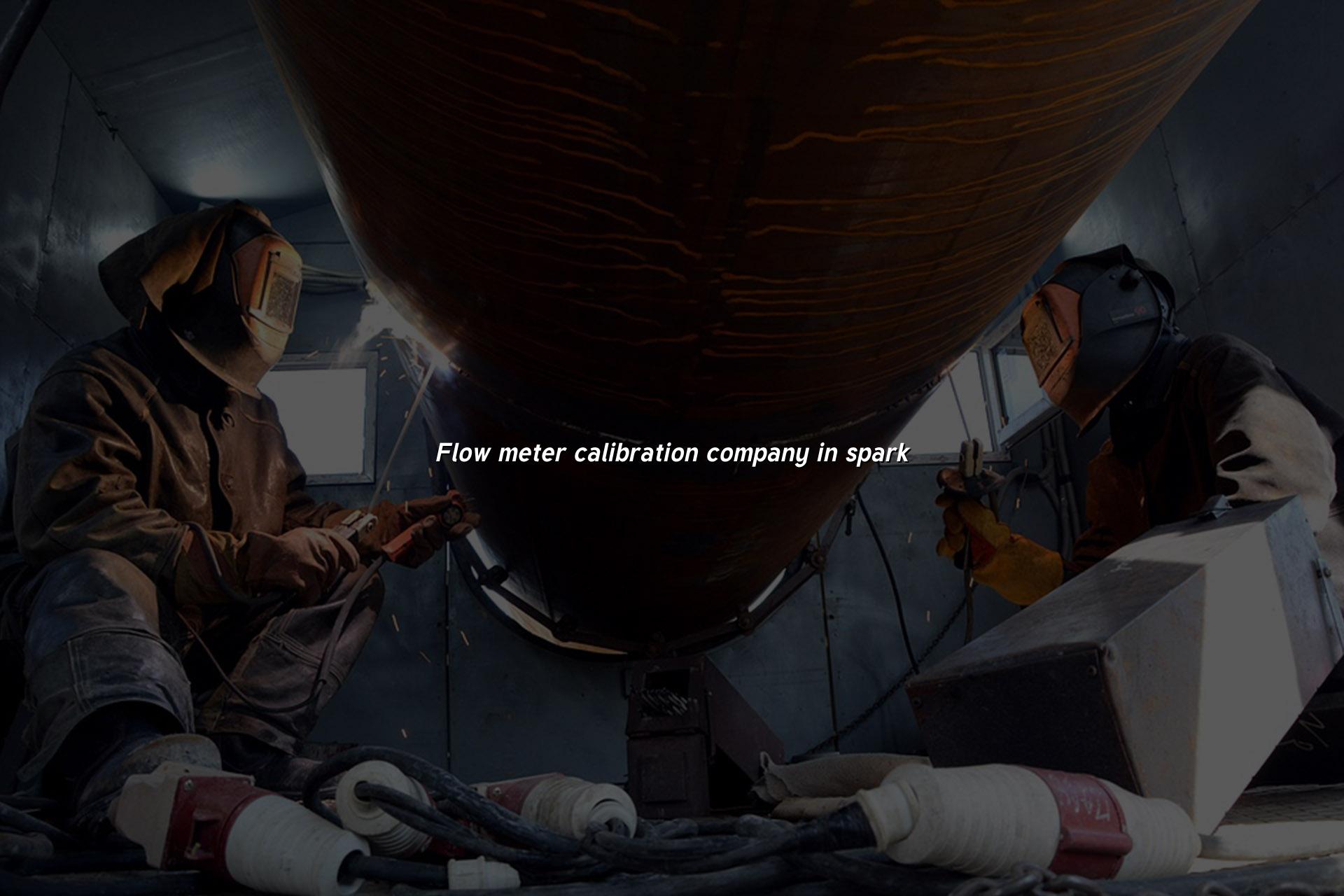
Flow meter calibration company in Spark is the phrase people use when they need a team that can verify process flow instruments without wasting a shift. We help you check whether the meter is reading what the line is actually moving, so operators, maintenance teams and QA staff can make decisions with confidence.
In Spark-style industrial work, the demand is simple: keep the process steady, keep the readings traceable, and keep the evidence clean for audits. We handle that for clients running water, utilities, chemical transfer, fuel handling and plant services, using ISO/IEC 17025:2017 aligned methods, practical field experience and the kind of paperwork procurement teams actually need.
Why a flow meter calibration company in Spark matters on site
A flow meter can drift slowly. That is what makes it awkward. The line keeps running, the numbers still look believable, and nobody notices until the batch balance looks wrong or the consumption record doesn’t match the tank movement. We see this most often on utilities, transfer skids and process loops where meters are working hard every day.
What we check during calibration
We look at the meter in the way the plant uses it, not just as a standalone instrument. Depending on the meter type and the service condition, that can mean checking repeatability, zero stability, signal output, installation condition, and comparison against a suitable reference standard or test arrangement. If the meter needs to stay in place, our mobile calibration lab and onsite setup are useful. If it needs cleaner handling or special conditions, we can take it to our in-house laboratory and arrange pick-up and delivery.
Where Spark sites usually need the most support
Industrial sites in and around Spark often want two things at once: less downtime and better traceability. That’s a fair ask. We work with process users who need records for internal QA, vendor handover, audit preparation or maintenance closure. For some customers, the real issue is not the meter itself, but the surrounding condition — pulsation, air ingress, poor straight run, fouled sensors or a bad installation point. We flag those issues clearly so you’re not paying to recalibrate a meter that is being misused every day.
- Identify the meter and service — confirm whether it is water, oil, chemical, compressed air or another process line instrument.
- Review the site condition — check access, isolation needs, line pressure, temperature and whether onsite work is practical.
- Measure and compare — verify the meter against the selected reference method and record the results in a clear format.
- Correct and document — issue the calibration record, note any as-found errors, and highlight installation or maintenance concerns.
- Ask for as-found data when the meter is critical to production or billing.
- Keep the line history ready, especially if the meter has been moved or repaired recently.
- Plan calibration alongside shutdowns, washdowns or maintenance windows to avoid extra downtime.
- Use onsite calibration for fixed process lines and laboratory handling for delicate or special-condition instruments.
Common flow meter checks and where they fit best
| Meter or application | Typical site concern | Best-fit service approach |
|---|---|---|
| Water and utility meters | Reading drift, fouling, unstable flow | Onsite verification with installation review |
| Process transfer meters | Batch mismatch and record disputes | Traceable calibration with as-found reporting |
| Compressed air meters | Leakage, low-load error, poor signal stability | Field check during maintenance window |
| Chemical or fuel meters | Safety, custody and repeatability concerns | Controlled handling with documented comparison |
What you get from a traceable calibration program
Good flow meter calibration is not only about passing a check. It gives you evidence you can use in maintenance records, internal audits and vendor discussions. That matters in sectors like oil and gas, petrochemical, power, food and beverage, and manufacturing, where a meter error can ripple into stock control, process loss or compliance issues.
Onsite, lab and pickup options
Some meters are easy to isolate and test in place. Others need bench handling, temperature control or cleaner conditions, and that’s where our in-house laboratory helps. If you have instruments that need special care, we can arrange pick-up and delivery. Our team also works with the mobile calibration lab for jobs where removing the meter would slow the plant down too much.
Built for plant teams, not just paperwork
We know what maintenance supervisors ask for: a clean report, a sensible method, no surprises on site, and a technician who understands industrial access, permits and shutdown coordination. That’s how we work, whether the job is in Chennai, Dammam Industrial City 2 or another Middle East site.
How we plan flow meter work for busy industrial sites
Most sites do better when calibration is planned around the plant rhythm. That could mean a short isolation on a utility line, a scheduled shutdown for a transfer skid, or a visit tied to other maintenance such as valve checks, electrical testing or mechanical inspection. We prefer to map the job properly first. It saves time later and helps avoid rushed work around active process lines.
For teams in India, Saudi Arabia and the wider Middle East, the context is often similar even if the plant is different. The meter may be part of a water system in Chennai, a petrochemical utility in Dammam, or a cold-chain support line elsewhere in the region. The expectation stays the same: traceable results, neat reporting, and a technician who knows how to work around real site conditions.
What usually causes bad readings
From our side, the common causes are never mysterious. They are usually installation errors, worn sensors, trapped air, fouling, vibration, unstable process conditions or poor maintenance after a previous intervention. We point these out because recalibration alone won’t fix an upstream problem. If the meter is fine but the line is not, you need both notes in the record.
- Plan the service around isolation points and permit access before the team arrives.
- Keep drawings, meter tags and any previous certificates ready for the technician.
- If the meter is part of a critical process, ask for a clear as-found/as-left record.
- Review nearby vibration, temperature and pipe condition while the meter is open.
How Mayon Industrial Services Can Help
We support flow meter calibration with the same practical approach we use across our calibration, condition monitoring and mechanical services. That means onsite service when the meter is fixed in the line, in-house lab handling when special conditions are needed, and documentation that fits ISO/IEC 17025:2017 expectations. If your team also needs inspection, electrical testing, orbital welding or lab setup work, we can coordinate that too.
Call +91 99447 80844 (India) or +966 59 633 8012 (Saudi Arabia), email services@mayonservices.com, or message us on WhatsApp.
Frequently Asked Questions
Honestly, the best fit is a team that can work onsite, explain the meter condition clearly, and give you traceable records. If the meter is part of production, utilities or custody-related transfer, you want practical field experience, not just a paper certificate. That is where our calibration and engineering background helps.
Yes, many can be checked onsite if the installation allows isolation and safe access. That is often the better option for fixed process lines, because it avoids pipe removal and reduces downtime. If the meter needs cleaner conditions or special handling, we can move it to our in-house lab instead.
You should ask for the calibration record, as-found and as-left results where applicable, and any notes about installation or process issues. If the meter is tied to QA or audit work, keep those records with the asset history. It makes the next maintenance cycle much easier.
The interval depends on the process, the criticality of the reading and how stable the meter has been in service. A clean utility line may behave differently from a chemical transfer meter or a meter on a vibrating skid. We usually advise clients to base the interval on history, risk and site conditions, not a fixed habit.
Yes, we support clients across India, Saudi Arabia and the Middle East. Our head office is in Medavakkam, Chennai, and we also operate through our Saudi Arabia presence in Dammam Industrial City 2. For suitable jobs, we use onsite service and mobile-lab capability so the work can happen where the plant is.
We see strong demand from oil and gas, petrochemical, power, manufacturing, food and beverage, healthcare, pharmaceutical and cold-chain facilities. These sites depend on repeatable readings for process control, inventory and quality records. If the meter is part of a critical line, calibration becomes part of basic plant discipline.
Ready to keep your flow readings under control?
If your team needs a practical calibration partner for onsite work, lab handling or field documentation, talk to Mayon Industrial Services and we’ll help you plan the next step.
Contact Mayon