
Flow Meter Calibration Company in Uqair
Onsite and in-lab flow meter calibration support for plants in and around Uqair, with traceable results that fit industrial shutdown plans.
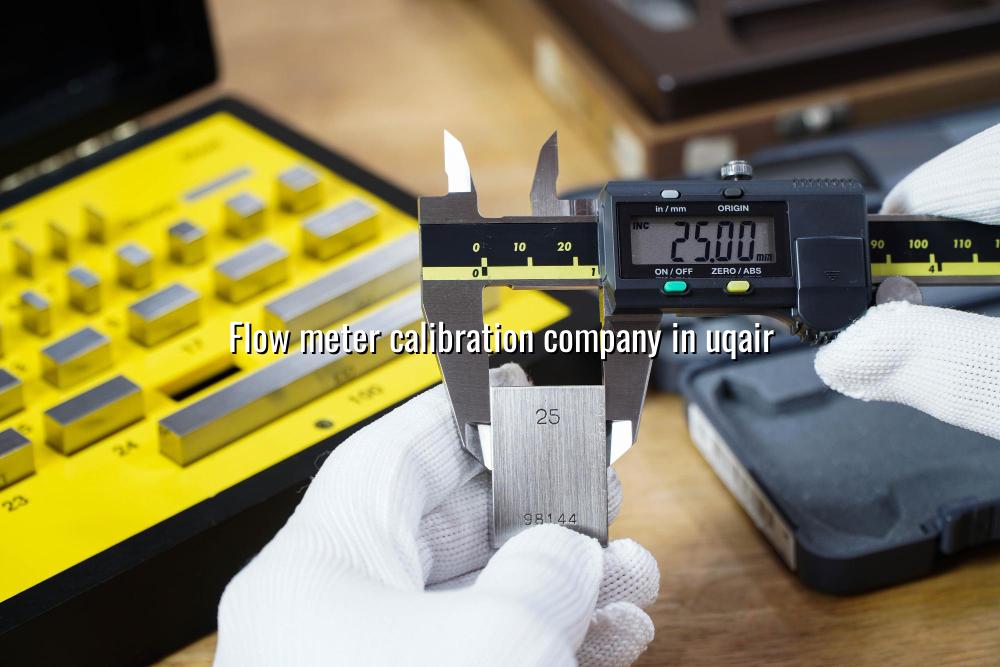
Flow meter calibration company in Uqair searches usually come from people who need the meter to read right before a shipment, transfer, or plant audit. That’s the job we take seriously at Mayon Industrial Services: we help you get stable, traceable flow measurements that your operations team can trust.
In this region, a small drift can turn into a bigger problem fast. We work with process, utility, and maintenance teams across Saudi Arabia and the wider Middle East, using ISO/IEC 17025:2017 discipline, controlled lab conditions, and onsite service where shutdown windows are tight.
Choosing a Flow Meter Calibration Company in Uqair
When you're comparing a flow meter calibration company in Uqair, start with the meter type and the service environment. A clamp-on ultrasonic meter, a magnetic meter, a turbine meter, and a positive displacement meter all behave differently, and the calibration approach should match the application, fluid, line size, and installation history.
We usually see requests from oil and gas sites, petrochemical plants, water systems, and maintenance teams supporting tanks, pumps, and dosing skids. The real question isn't just “Can someone calibrate it?” It's “Can they give you traceable results, clear identification, and a report your QA team can file without chasing missing data?”
What the job looks like on site
For flow meters installed in operating plants, onsite work is often the safest choice. Our mobile calibration lab and field tools let us handle checks where removal would be costly or would disturb process continuity. That matters in places like industrial zones around the Eastern Province, where access, timing, and cleanliness all matter.
Why meter condition matters
Before any calibration starts, we look at the basics: pipe condition, straight lengths, grounding, signal stability, sensor health, and whether the meter has a clean history or repeated drift. If the installation is poor, calibration alone won't fix the reading. We've seen that more than once, especially on systems that were moved, modified, or repaired without a proper recommissioning check.
- Identify the meter and process — confirm the meter model, line size, fluid, range, and the reason for the check.
- Inspect the installation — look for vibration, fouling, air pockets, wiring issues, or upstream/downstream disturbances.
- Compare against a traceable method — use suitable reference standards, test rigs, or field procedures based on the meter type.
- Record the findings clearly — note as-found and as-left data, adjustments made, and any restrictions that still need attention.
- Ask for an ISO/IEC 17025:2017-based calibration process, not a vague “test only” visit.
- Make sure the report identifies the meter, serial number, range, and date of calibration.
- Confirm whether onsite service, lab service, or pick-up and delivery is the better fit.
- Check that the provider can handle both calibration and related mechanical or electrical support if the site needs it.
- Keep a record of meter drift patterns so the next shutdown is easier to plan.
Typical Flow Meter Checks and Where They Fit Best
| Meter type | Common use | Service fit |
|---|---|---|
| Ultrasonic | Large lines, retrofit work, non-intrusive measurement | Onsite checks are often preferred where pipe removal is difficult |
| Electromagnetic | Water, slurry, conductive process fluids | Best when installation, grounding, and signal health are reviewed together |
| Turbine | Clean liquids and process transfer points | Needs careful wear inspection because mechanical condition affects accuracy |
| Positive displacement | High-accuracy batching and custody-related tasks | Works well with controlled verification and detailed as-found / as-left records |
Why ISO/IEC 17025:2017 Matters for Flow Checks
In industrial work, the value of calibration is not the sticker on the body. It's the traceability behind the result. ISO/IEC 17025:2017 gives your team confidence that the method, records, and equipment used for the check were handled under a controlled system.
Better records, fewer arguments later
That matters most when a reading affects production reporting, inventory transfer, or a maintenance decision. A good flow meter report should make life easier for QA, operations, and procurement. Nobody wants to spend half a day trying to work out which meter was checked, what reference was used, or whether the report matches the asset tag in the CMMS.
What good service feels like
You get a clear scope before work starts, realistic site coordination, and practical recommendations if the meter needs repair, recommissioning, or a second look. If the meter is part of a larger issue, we can also support related electrical testing, mechanical checks, and maintenance planning around the same visit.
How Teams Usually Schedule Flow Meter Calibration
Most plant teams don't call us because they have time on their hands. They call when a shutdown is near, a meter starts drifting, or an audit asks for proof. The cleanest jobs are the ones planned early, with asset lists, locations, and access notes ready before the crew arrives.
We often coordinate around production windows in oil and gas, petrochemical, power, food and beverage, and cold-chain facilities. If the meter is mounted in a line that can't be disturbed, we plan onsite verification. If special environmental control is needed, we can bring the instrument to the lab and use pickup and delivery where appropriate.
Common reasons a flow meter fails an internal check
Wear, fouling, air entrainment, incorrect installation, and electrical noise are the usual suspects. Sometimes the meter is fine, but the process conditions changed. A pump replacement, line reroute, or control valve issue can change the reading enough to trigger alarm limits or upset batch consistency.
- Keep the meter tag, model number, and range ready before booking.
- Share whether the line carries water, fuel, chemical, or another process fluid.
- Tell us if the meter is inline, clamp-on, portable, or tied to a batching system.
- Note any vibration, recent maintenance, or process change that may affect the reading.
- Decide early if you need onsite work, lab work, or both.
How Mayon Industrial Services Can Help
We support flow meter calibration with the same practical approach we use across our calibration, mechanical, inspection, and commissioning work. If your meter issue sits beside a pump fault, wiring problem, or installation concern, we can help you sort the whole picture instead of just handing back a number. That saves time, and it usually avoids repeat downtime.
Our team works from India and Saudi Arabia, with onsite and in-lab capability across the region. If you need a flow meter calibration company in Uqair that understands industrial schedules and traceable documentation, talk to us and we'll plan the next step with you.
Call +91 99447 80844 (India) or +966 59 633 8012 (Saudi Arabia), email services@mayonservices.com, or message us on WhatsApp.
Frequently Asked Questions
The best fit is usually the team that can handle your meter type, your site conditions, and the documentation your QA group expects. For industrial sites, traceability, clean reporting, and a realistic plan for onsite access matter more than a generic service promise. That's why many teams look for ISO/IEC 17025:2017-based support instead of a simple inspection visit.
Yes, many meters can be checked onsite if the installation, access, and process conditions are suitable. That's often the better option when removal would interrupt production or create extra reinstallation work. For special cases, we can also move the instrument to a controlled lab environment.
We usually need the meter type, model, serial number, line size, service fluid, location, and the reason for the check. If you have past reports or an asset list, that helps too. The more complete the information, the easier it is to plan the right method and access.
A meter can shift after maintenance if the installation changes, the piping is disturbed, wiring is altered, or the process condition itself has changed. Sometimes the meter was marginal before the job, and the repair just exposed the issue. A post-maintenance verification is a smart check when that happens.
Yes, we provide traceable documentation suited for QA files, maintenance records, and internal audits. The aim is to make the report useful, not just formal. Your team should be able to identify the instrument, the result, and the work done without extra explanation.
We often can, depending on the scope. If the meter problem sits near a pump, electrical supply, alignment, or commissioning issue, we can coordinate related mechanical or electrical support around the same job. That keeps the site from repeating the same shutdown for separate contractors.
Ready to get your flow readings back on track?
If you need a flow meter calibration company in Uqair, we’re ready to review the meter, the process, and the best service route for your site.
Contact Mayon