
Gas Analyzer Commissioning Company in Al Khobar
Practical commissioning support for fixed gas detectors, sample systems and analyzer packages used across Al Khobar and the Eastern Province.
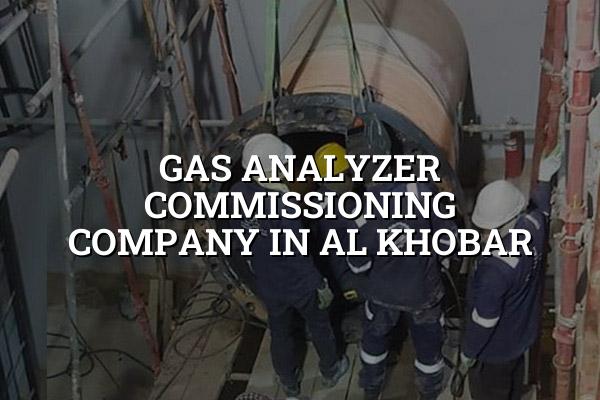
Gas analyzer commissioning company in Al Khobar support matters most when a plant is about to start, and there’s no room for loose wiring, wrong ranges or a missed loop check. We help you get analyzer packages, gas detection systems and sample lines ready for a clean handover, so your team can focus on operations instead of chasing startup faults.
Our work fits the way projects run in the Eastern Province: refinery units, petrochemical trains, tank farms, utilities and maintenance shutdowns that need discipline, traceability and clear records. We commission onsite across Saudi Arabia, with the same practical approach we use for industrial clients in India and the wider Middle East.
What a Gas Analyzer Commissioning Company in Al Khobar Should Check
For gas analyzers, commissioning is not a quick power-up. You need the right check on power supply, signal integrity, sample conditioning, gas path integrity and alarm logic before anyone signs off. In practice, that means confirming the instrument installation matches the engineering drawing, the input and output signals behave as expected, and the system reads consistently under real site conditions.
Why the startup stage causes most problems
We often see issues that were hiding during installation. A sample tube can be reversed, a purge arrangement can be weak, or a transmitter may be scaled correctly in the PLC but wrong at the analyzer display. In Saudi plant environments, heat, dust and long cable runs make these faults show up fast, so commissioning has to be methodical, not rushed.
What our team actually documents
Our commissioning records normally cover tag verification, visual inspection, functional checks, signal confirmation, alarm and interlock tests, and final observations for the client team. If the analyzer ties into a safety or process control loop, we verify the response path with care and leave you with a clear handover trail. That is what maintenance teams in Al Khobar usually ask for: proof that the system was tested properly, not just a verbal assurance.
- Confirm the installation — check tag numbers, mounting, tubing route, utilities and orientation against the approved drawing.
- Verify electrical and signal paths — test power, grounding, analog signals, digital status points and any PLC or DCS connection.
- Check sample integrity — inspect filters, regulators, flow control, purge arrangements and any sample conditioning hardware.
- Run functional and alarm tests — simulate the expected operating condition, then confirm alarms, trips and local indications behave correctly.
- Capture pre-commissioning readings before live startup, so later changes are visible.
- Validate gas line cleanliness and tubing routing before the first process sample enters the system.
- Check loop response with the operations and instrumentation teams together, not in isolation.
- Record any corrective action with tag reference, test point and final status for future audits.
Typical Checks for Analyzer Startup and Handover
| Area | What We Check | Why It Matters |
|---|---|---|
| Electrical supply | Voltage, grounding, terminations and power stability | Prevents nuisance faults and unstable readings |
| Signal loop | Analog output, digital status, PLC or DCS response | Confirms the analyzer communicates correctly with control systems |
| Sample system | Filters, flow, purge, leaks and tubing condition | Keeps the sample representative and protects the analyzer cell |
| Alarm logic | Warning, trip and fail-safe behavior | Shows the system reacts properly when limits are crossed |
Why Al Khobar Projects Need Traceable Commissioning
Al Khobar sits in a part of Saudi Arabia where petrochemical and oil & gas teams expect discipline from day one. A commissioning file that shows what was checked, what was corrected and what was accepted helps both the client and the contractor during handover. It also gives maintenance teams a baseline for later troubleshooting, especially when equipment has been exposed to heat, vibration or process contamination.
Where ISO/IEC 17025 thinking helps
Even when the final task is commissioning rather than calibration, the mindset still matters. We use controlled checks, documented results and clear instrument identification, and we can support related calibration work under ISO/IEC 17025:2017 through our in-house lab and mobile calibration lab. That combination is useful when the project has analyzers, transmitters and associated test instruments all moving toward startup together.
Built for plant teams, not paperwork alone
We keep the focus on the actual asset: safe startup, correct signal behavior and a handover that your operations team can use. If a correction is needed, we show it clearly and keep the path back to compliance simple.
What Usually Slows Down Analyzer Commissioning
Sample system issues
Dirty lines, blocked filters or poor purge can make a good analyzer look bad. We check these first because they waste the most time later.
Control room mismatch
The analyzer may be healthy, while the display in the PLC looks wrong. That usually points to scaling, addressing or signal wiring that needs a careful retest.
Late-stage changes
Field changes happen near the end of shutdowns. We keep the test sheet updated so the final handover reflects the installed condition, not the first draft.
How Mayon Industrial Services Can Help
Mayon Industrial Services supports analyzer commissioning with the same care we bring to calibration, mechanical services and electrical testing. If your package needs loop checks, onsite verification, related calibration support or a clean handover file, our team can work with your site staff and contractor team in Saudi Arabia or across the Middle East. We also help when the project needs follow-up work on sample systems, instrument setup or supporting test equipment.
Call +91 99447 80844 (India) or +966 59 633 8012 (Saudi Arabia), email services@mayonservices.com, or message us on WhatsApp.
Frequently Asked Questions
We check the analyzer package from installation through functional handover. That usually includes wiring, signal checks, sample system verification, alarm tests and a final review with the client team. If the system is tied to a control or safety function, we confirm the response path before sign-off.
Yes, we do onsite work in Saudi Arabia, including Al Khobar and nearby industrial areas. That is usually the best way to test the analyzer under real site conditions, especially when the sample line, PLC connection or alarm logic needs to be checked in place.
Yes, and that is often where the hidden problems show up. We check the loop response, the status indication and the way the alarm or trip signal reaches the control system. That saves a lot of back-and-forth once the unit is ready to start.
You should expect a record of the checks performed, the final status of the system and any corrective actions taken during the job. For many plant teams, that file becomes the baseline for later maintenance or troubleshooting, so we keep it clear and easy to follow.
Yes. We also support calibration services, electrical testing, mechanical services, inspection work and lab setup. If your project needs the analyzer package plus supporting instruments checked before handover, we can coordinate that as part of the same visit.
Ready to put your analyzer package into service with confidence?
If you need a commissioning team that understands startup pressure, site records and plant expectations, talk to Mayon Industrial Services.
Contact Mayon