
Gas Detector Calibration Company in Jubail
Traceable gas detector checks for Jubail plants, with onsite support and controlled lab handling when instruments need special care.
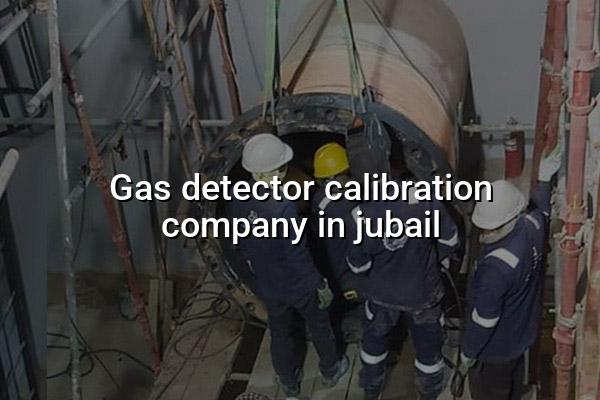
Gas detector calibration company in Jubail services should do more than tick a box. You need readings you can trust before a confined-space entry, a turnaround, or a routine plant shift starts.
We help teams keep portable and fixed gas detectors ready for work in Jubail’s oil, gas, petrochemical and industrial sites. That means traceable checks, practical advice, and service that fits the way real maintenance teams operate.
Gas detector calibration company in Jubail for busy industrial sites
In Jubail, gas detectors live hard lives. They get carried through shutdown work, exposed to heat, stored in tool rooms, and expected to respond the moment a hazard appears. When a detector drifts, the issue is not just the certificate. It’s the confidence of the supervisor, the permit issuer, and the technician wearing it.
That’s why our calibration work focuses on the full instrument, not only a printed result. We check response, zero, span, sensor health and overall condition so your team knows if the detector is fit for the next job. For clients handling H2S, oxygen deficiency, combustible gases or toxic vapours, that extra attention matters.
What we look at during calibration
We handle a practical calibration routine that suits plant environments. The process can cover single-gas and multi-gas units, personal monitors, fixed transmitters and systems used around tanks, process units, workshops and utility areas. If your equipment needs special handling, our temperature-controlled lab and pick-up and delivery support help protect it on the way in and out.
Why Jubail teams ask for onsite help
Most requests from Jubail come from maintenance and HSE teams who can’t afford to pull every detector out of service for long. Onsite calibration helps with that. We also have a mobile calibration lab for work that needs to happen at your location, which is handy when you’re dealing with multiple instruments across a live facility.
- Receive and inspect — we check the instrument model, condition, serial number and visible damage before any test starts.
- Verify zero and response — the detector is checked against suitable reference gases or methods for its type and gas range.
- Adjust if needed — if readings drift outside acceptable limits, we make the required correction and recheck.
- Document and return — you get a clear record so your team can track the instrument in line with site procedures.
- Suitable for oil and gas, petrochemical and utility environments
- Useful for portable and fixed gas detectors
- Helps support permit-to-work and confined-space controls
- Backed by ISO/IEC 17025:2017 traceability expectations
- Can be arranged onsite, in-lab, or through pick-up and delivery
What changes between detector types
| Detector type | Typical use | Calibration focus |
|---|---|---|
| Portable single-gas detector | Personal protection for one target gas | Zero, response and alarm function |
| Portable multi-gas detector | Confined space and general plant work | Each sensor channel and bump performance |
| Fixed gas detector | Continuous area monitoring | Transmitters, alarms and signal stability |
| Area monitor system | Temporary work zones and shutdowns | Sensor response, display and setup checks |
Why traceability matters in gas detection work
Gas detectors are often the last line between a routine job and a dangerous one. In practice, that means your calibration partner needs to understand site risk, not just instrument labels. We work to ISO/IEC 17025:2017 principles for calibration competence, and we also understand the paperwork pressure that comes with shutdowns, audits and client inspections.
How this helps your team
When your records are clear, site supervisors spend less time chasing serial numbers and more time keeping the job moving. That matters in Jubail, where many facilities support long maintenance campaigns and a mix of contractors. A detector with a clean calibration history is easier to allocate, easier to track and easier to trust during permit reviews.
Built for active plants
We regularly support industrial teams that need practical help, not just lab talk. That includes pre-shutdown checks, routine fleet calibration, and follow-up support when a detector shows unstable readings or a sensor has reached the end of service life.
How we handle a detector fleet in Jubail
For many customers, the real issue is not one detector. It’s a fleet scattered across workshop stores, permit offices, mobile crews and subcontractors. We help organize that work so units are checked in a sensible order, with the right handling for each device type. If some instruments need controlled transport, our pickup and delivery option makes that simpler.
We also support teams in Saudi Arabia through our Dammam Industrial City 2 presence with SMC Engineering Services / Sixfaces Maintenance Co, which helps when a Jubail site needs regional coverage. That local industrial context matters. Oil and gas teams, power plants and fabrication yards all tend to ask the same thing: can you keep the instruments ready without making the week harder?
What a good fleet review usually includes
We look at model mix, gas range, usage pattern and the condition of the housing, displays and sensor chambers. We also pay attention to detector age and the way your site uses them. A unit used every day on live plant work deserves a different maintenance mindset from one stored for emergency response.
- Fleet sorting by model, gas type and site priority
- Controlled handling for sensitive instruments
- Support for portable, fixed and area monitoring devices
- Useful for shutdowns, maintenance windows and contractor mobilization
Simple habits that help gas detectors stay reliable
Most bad readings start with small things: weak batteries, blocked inlets, damaged pumps, contaminated sensors or a detector that has been left in a hot cabinet. None of that looks dramatic on its own. Put them together, and the instrument can drift far enough to create trouble on site.
We usually advise customers to keep the storage routine tight and the usage records honest. In our experience, detectors that are checked, cleaned and returned to the right case behave better than units that are shared casually between crews.
Four habits worth keeping
Build a weekly bump-test routine if your site procedure calls for it. Replace consumables before they turn into downtime. Keep sensors away from solvents and dust. And send the unit for calibration when readings start looking inconsistent, rather than waiting for a failure during a job.
- Store detectors in clean, dry cases
- Check batteries and charging condition before issue
- Protect sensors from contamination and impact
- Keep serial numbers and calibration status visible
How Mayon Industrial Services Can Help
If you need a gas detector calibration company in Jubail, we can support you with calibration, inspection, condition monitoring and practical instrument handling for plant work. We also help with related maintenance services when your site needs more than a quick test, including electrical testing, mechanical support and lab setup for industrial teams. If you want a cleaner way to manage your detector fleet, talk to us and we’ll point you to the right service path.
Call +91 99447 80844 (India) or +966 59 633 8012 (Saudi Arabia), email services@mayonservices.com, or message us on WhatsApp.
Frequently Asked Questions
The right interval depends on your site procedure, detector type and how hard the unit is used. Many plants pair routine bump checks with scheduled calibration so they can catch drift before it becomes a permit issue. We usually advise teams to follow their risk assessment and the detector maker's instructions together.
Yes, we handle both. Portable units are checked for response, alarms and general condition, while fixed detectors also need attention on the transmitter side and signal stability. If your plant uses a mix of both, we can plan the job around that mix instead of treating everything the same.
Yes. We support onsite work through our mobile calibration lab, which is useful when you have a lot of detectors spread across an active site. That helps reduce transport handling and makes it easier to keep instruments moving through the maintenance schedule.
We regularly support oil and gas, petrochemical, power, construction, manufacturing and cold-chain operations. In Jubail and the wider Eastern Province, that usually means process plants, utility areas, workshops and contractor fleets. The service is aimed at teams that need reliable records and practical support, not just a receipt.
Send the detector with any accessories it normally uses, such as pumps, chargers or sampling lines, plus the details your site uses for identification. Serial number, model and the gases measured help us confirm the correct setup faster. If the detector has been acting oddly, tell us what you've seen so we can check the right points first.
Ready to keep your detectors fit for work?
Send us your fleet details, your site location and the instrument types you use, and we'll help you plan the next step.
Contact MayonFor Jubail teams, good gas detector calibration is really about trust, record keeping and safe plant access. Mayon Industrial Services is set up to support that work with the kind of practical service engineers actually need.