
Gas Detector Calibration Company in Salwa
Traceable calibration support for fixed and portable gas detectors used in Salwa industrial sites.
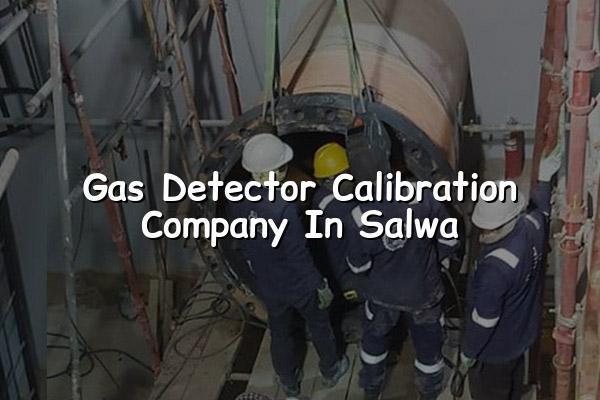
Gas detector calibration company in Salwa is the phrase most procurement and maintenance teams use when they need proof that their fixed or portable gas monitors still read correctly. That’s exactly what this page helps you sort out: what gets checked, why the calibration matters, and how to book work that fits a real industrial shutdown plan.
In Salwa and the wider Saudi industrial corridor, gas detection is rarely a box-ticking exercise. It protects people in enclosed spaces, tanker areas, utility blocks, process units and cold-chain facilities, where a drifting sensor or a tired alarm can turn into a serious stop-work issue fast.
What a Gas Detector Calibration Company in Salwa Should Do
A proper gas detector calibration company in Salwa should do more than press a few buttons and print a certificate. We check the detector against known references, verify alarm response, review sensor condition, and confirm that the unit still behaves the way your safety procedure expects. For fixed systems, that can mean transmitter checks, alarm setpoint review and functional testing at the panel level. For handheld units, it usually means sensor response, bump-test behavior, battery health and a clear pass/fail record.
Fixed detectors and portable units are not treated the same
Portable multi-gas detectors used by operators, permit receivers and confined-space teams need a different approach from wall-mounted or panel-linked gas monitoring systems. A portable meter may travel from workshop floors in Jubail to a tank cleaning job in Salwa, so the calibration record has to stay tied to the individual serial number. Fixed detectors, on the other hand, often sit in harsher service and need attention to location, contamination, wiring integrity and alarm chain testing.
What our technicians usually look for first
We start with the basics because that’s where most real problems show up. A detector that has a clean display can still have sensor drift, an expired sensor, or a blocked inlet. In our experience, people often call after an alarm nuisance, a failed pre-entry check, or a maintenance shutdown where the same meter has been used hard for months without a proper calibration cycle.
- Identify the instrument — confirm the make, model, gas range and serial number before any work starts.
- Inspect the condition — check inlet paths, casing, display, battery health, bump-test status and visible damage.
- Apply reference gas or traceable checks — verify sensor response and alarm behavior against the relevant calibration point.
- Record results and label the unit — issue traceable documentation, mark the status and flag anything that needs repair or sensor replacement.
- Keep fixed and portable detectors on separate asset lists so certificates don’t get mixed up.
- Ask for traceable calibration records for toxic, combustible and oxygen channels, not just a visual check.
- Replace sensors that fail response checks instead of forcing a calibration pass.
- Verify alarm setpoints after calibration, especially on systems tied to shutdown or ventilation controls.
- Plan calibration before turnaround work, confined-space campaigns or contractor mobilization.
Typical Gas Detector Checks for Salwa Sites
| Detector Type | Main Checks | Common Site Use |
|---|---|---|
| Portable single-gas meter | Sensor response, zero check, alarm function, battery condition | Personal safety rounds and entry permits |
| Portable multi-gas detector | All active channels, bump-test behavior, display, alarms and pump flow | Confined space, tank farm and maintenance jobs |
| Fixed gas detector | Head response, transmitter output, wiring condition, alarm linkage | Process units, utility areas and enclosed plant rooms |
| Gas detector panel system | Panel alarm logic, indication, event response and shutdown interface | Plants that rely on central monitoring and interlocks |
Why calibration records matter to QA and HSE teams
On Saudi projects, calibration records are part of the safety file, not an extra. A clean certificate helps show that the detector was checked against traceable reference methods and that the asset was fit for service at the time of testing. That matters during audits, permit reviews, contractor onboarding and handover files, especially where gas hazards are linked to work permits or plant access rules.
Traceability is the real value
Most teams do not ask for a certificate because they like paperwork. They ask because they need confidence that the meter reading can be trusted when someone is inside a pit, near a hydrocarbon line or working in a refrigerated room with poor air movement. That is where ISO/IEC 17025:2017 discipline, clear identification and proper lab practice make a difference.
What good service looks like in practice
It starts with the right test setup, continues with honest pass/fail findings, and ends with paperwork you can file without rewriting it for the audit team. If a detector needs repair before calibration, we say so. That saves time later and keeps your maintenance log accurate.
How to plan gas detector calibration without disrupting operations
Good planning keeps gas detection available while the work is being done. For a plant in Salwa, that may mean rotating spare handheld units, scheduling fixed detector checks during a planned stop, or sending selected meters to the lab while the rest stay in service. If a detector is used in a cold room, tanker bay or chemical storage area, the job list should say so up front because environment affects both handling and verification.
We also see confusion when teams mix calibration with bump testing. They are related, but they are not the same thing. A bump test confirms the sensor reacts to gas; calibration adjusts or verifies the reading against a reference. If a detector keeps failing bump tests, calibration alone will not solve the problem.
Simple points that prevent delays
Send the asset list early, including serial numbers and detector locations. Tell the service team which gases are being monitored, what alarm levels are used and whether the unit is linked to a panel. If you need pick-up and delivery, special handling, or onsite work by our mobile calibration lab, say that at the start so the job can be arranged properly.
- Separate detectors by duty: confined space, fixed monitoring, or personal safety.
- Keep spare instruments ready for teams that cannot stop work.
- Share the gas list early so the right reference checks are used.
- Flag any detector exposed to dust, moisture, solvent vapour or heavy vibration.
- Book onsite service when removing a fixed head would interrupt the process line.
How Mayon Industrial Services Can Help
We support gas detector calibration with the same approach we use across our calibration, inspection and engineering work: clear identification, traceable checks and practical reporting. If your Salwa site needs portable detector verification, fixed gas alarm support, or pick-up and delivery for instruments that need controlled handling, we can plan it around your shutdown and safety window.
Call +91 99447 80844 (India) or +966 59 633 8012 (Saudi Arabia), email services@mayonservices.com, or message us on WhatsApp.
Frequently Asked Questions
That depends on the manufacturer, the gas service and how hard the detector is used. In real plants, we usually see periodic calibration tied to maintenance plans, asset criticality and the site’s safety procedure. If a meter is used daily, checked in harsh conditions or fails a bump test, it should be reviewed before it goes back into service.
A bump test checks whether the sensor reacts to gas and triggers the alarm. Calibration checks whether the reading is accurate against a known reference. If the detector fails to respond properly, a calibration certificate alone won’t solve the problem; the sensor or the instrument may need repair or replacement first.
Yes, we can arrange onsite work where the job and access conditions allow it. That is often the better choice for fixed assets, busy operating sites and teams that cannot spare every detector at once. For some instruments, controlled lab handling or pick-up and delivery is the better fit, especially when the device needs special care.
We see the strongest demand from oil and gas, petrochemical, power, manufacturing, cold-chain and warehouse operations. Any site with confined spaces, flammable gases, toxic vapours or oxygen-deficient areas needs reliable detection. In those environments, calibration records become part of the daily safety system, not just a file at audit time.
Yes. We document the instrument details, the checks performed and the result so your maintenance and HSE teams can file it properly. If a fixed head, transmitter or alarm panel shows a fault during testing, we flag it clearly so you can plan corrective action before the area goes back to normal operation.
Need gas detector calibration you can file with confidence?
Send us the model list, your site location and whether you need onsite or lab-based support, and we’ll help you plan the next step.
Contact Mayon