
Gas Detector Calibration Company in Haradh
Traceable calibration for fixed and portable gas detectors used in Haradh plants, yards, and maintenance shutdowns.
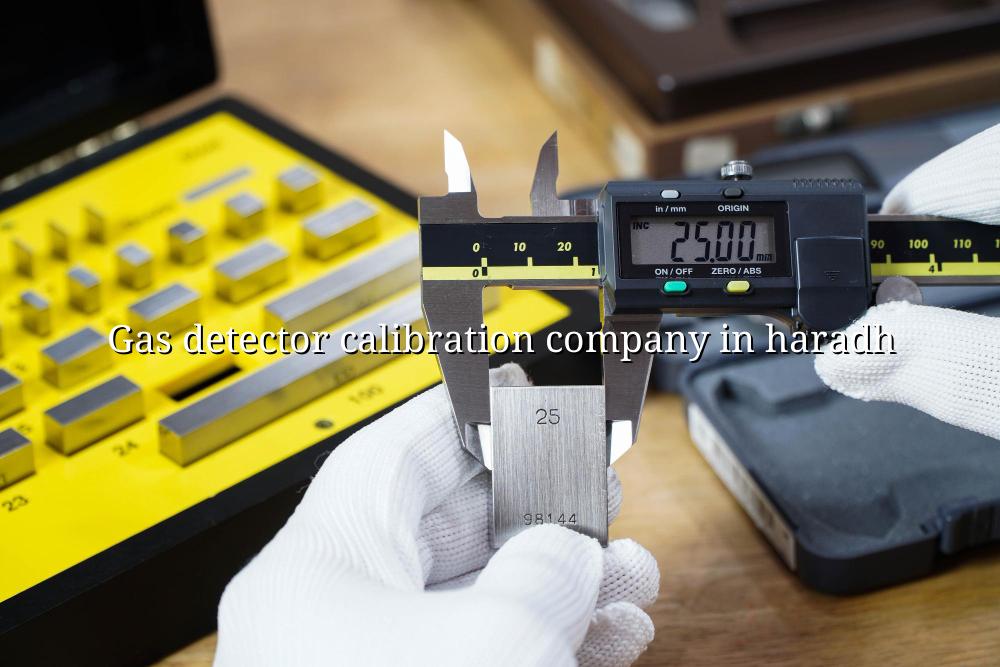
Gas detector calibration company in Haradh is the search most safety teams use when a meter starts drifting, alarms feel inconsistent, or a shutdown plan needs proper records before work begins. We help you get a clear answer on whether the instrument still reads the way it should, and we do it with traceable methods that suit industrial sites.
We support oil and gas operations, petrochemical units, power facilities, maintenance contractors, and inspection teams working in Haradh and the wider Saudi industrial corridor. Our setup includes an in-house laboratory, a mobile calibration lab for onsite jobs, and pick-up and delivery for instruments that need special handling.
What a gas detector calibration company in Haradh should handle
A proper gas detector calibration company in Haradh should do more than place a device on a bench and print a paper. You need response checks, sensor verification, alarm setting review, and a sensible result that fits real plant conditions. That matters for fixed detectors around process areas and for portable instruments carried into confined spaces, tank farms, compressor stations, and permit-to-work zones.
Fixed and portable detectors need different checks
Portable units are often exposed to rough handling, dust, and storage problems, while fixed systems spend long periods watching the same area and can suffer from sensor ageing or environmental drift. We see that pattern often in Haradh jobs: a handheld unit may return from a shift with a weak response, while a fixed head looks fine until a test gas exposes a slow or uneven reading. Each type needs the right method, not a one-size-fits-all routine.
Traceability is the part many teams ask for first
For QA and HSE teams, the real value is traceable calibration data that supports audits, internal safety reviews, and contractor documentation. We work to ISO/IEC 17025:2017 for calibration competence, and we also align our process with the kind of reporting industrial buyers expect in Saudi Arabia and across the GCC. When a detector is used to protect people in an enclosed space, the record behind it matters just as much as the reading on the screen.
- Inspect the unit first — check the sensor condition, display, battery status, housing, fittings, and any signs of contamination or damage.
- Verify with suitable test gas — compare the detector response against a controlled reference so the reading can be judged against known input.
- Adjust and retest — if the device allows adjustment, we reset the span or zero point and confirm stability across the test cycle.
- Record the result clearly — we document pass, fail, observations, and any restrictions so your team knows what can go back into service.
- Return or deliver safely — onsite units go back to work, while instruments needing special care can be moved through our pick-up and delivery flow.
- Calibrate before shutdowns, hot work, tank entry, or other high-risk tasks.
- Keep portable detectors in the same case and charging condition they’ll be used in.
- Ask for clear records that identify each instrument by serial number.
- Replace sensors or repair units that fail repeat checks, not just the day-of test.
Gas detector calibration checks by instrument type
| Instrument type | Typical focus | Common site use |
|---|---|---|
| Portable multigas detector | Zero, span, alarm response, battery condition | Confined space entry and maintenance rounds |
| Fixed point gas detector | Sensor response, transmitter output, alarm set points | Process areas and leak-prone equipment zones |
| Hydrogen sulfide detector | Toxic gas response and alarm accuracy | Oil and gas, tank farms, and process skids |
| Oxygen detector | Low-oxygen alarm and baseline stability | Confined spaces, pits, and enclosed rooms |
Why Haradh sites ask for onsite calibration
Haradh work sites often run on tight schedules, and moving every detector offsite can slow a shift or create gaps in coverage. Onsite calibration solves that problem for many teams because the instruments stay near the job, the handover is simpler, and the people who use them can see the process. For larger shutdowns, our mobile calibration lab gives you a practical route without turning the whole day into a logistics exercise.
When offsite handling makes more sense
Some instruments need a controlled laboratory setting or special handling after exposure to moisture, dust, or chemical residue. That is where our in-house laboratory helps, especially when the instrument needs closer inspection, repeat testing, or coordination with pick-up and delivery. You get one contact point, and the job stays organised.
Built for industrial routines
We work with maintenance planners, HSE coordinators, and procurement teams who need instruments ready for permit work, routine rounds, or contractor mobilisation. That usually means clear labelling, sensible scheduling, and records that are easy to file without chasing three different people later.
What we test, repair, and support
Gas detection work rarely sits alone. A site that depends on safety instruments usually needs related support too, especially when the plant is running mixed equipment from different vendors and the records are spread across departments. Alongside gas detector calibration, we support broader calibration services, mechanical services, inspection work, and repair and maintenance across industrial setups in Saudi Arabia and the Middle East.
That helps when your team needs more than one job closed out. If a detector issue appears during a turnaround, we can look at the instrument itself, the surrounding safety process, and the supporting equipment that keeps the site moving. Many customers prefer that because they don’t want to explain the same plant condition to multiple vendors.
- Fixed and portable gas detector checks
- Calibration records for site files and audits
- Mobile lab support for onsite work
- Pick-up and delivery for special handling needs
How Mayon Industrial Services Can Help
If you need a gas detector calibration company in Haradh, we can support your team with onsite calibration, in-lab testing, and practical scheduling around maintenance windows. We also handle related calibration, mechanical, inspection, orbital welding, lab setup, and training work, so you can keep one trusted technical partner for more than a single instrument type.
Call +91 99447 80844 (India) or +966 59 633 8012 (Saudi Arabia), email services@mayonservices.com, or message us on WhatsApp.
Frequently Asked Questions
Look for a provider that can handle both fixed and portable detectors, give clear traceable records, and explain the test method in plain language. If your site works under permit-to-work rules, ask whether onsite service is possible so you don't have to pull every unit out of service for long.
Yes, we can handle onsite work using our mobile calibration lab where the job conditions suit field testing. That helps when detectors are installed in process areas, control points, or maintenance zones and need to stay close to the worksite.
You should receive a record that identifies the instrument, the test result, and the observations from the check. For site audits and safety files, that paperwork is usually what the HSE or QA team needs to show the detector was reviewed before use.
Yes, we handle both. Fixed detectors usually need attention to sensor response and alarm settings, while portable units often need zero, span, and a quick look at the battery and housing condition.
It gives you confidence that the calibration process follows a recognised competence framework. For industrial buyers in Saudi Arabia and the Middle East, that usually means the record is easier to accept during internal review, vendor checks, or compliance audits.
Yes, and that's one of the most common reasons teams call us. We can schedule around shutdown windows, help check the instruments used for confined space entry, and keep the process practical for site supervisors and safety staff.
Ready to keep your gas readings dependable?
If you're comparing options for Haradh, talk to a team that understands field safety, calibration traceability, and the pace of industrial work.
Contact Mayon