
Gas Detector Calibration Company in Turaif
Certified gas detector calibration for industrial safety teams, maintenance planners, and shutdown work across Turaif and northern Saudi Arabia.
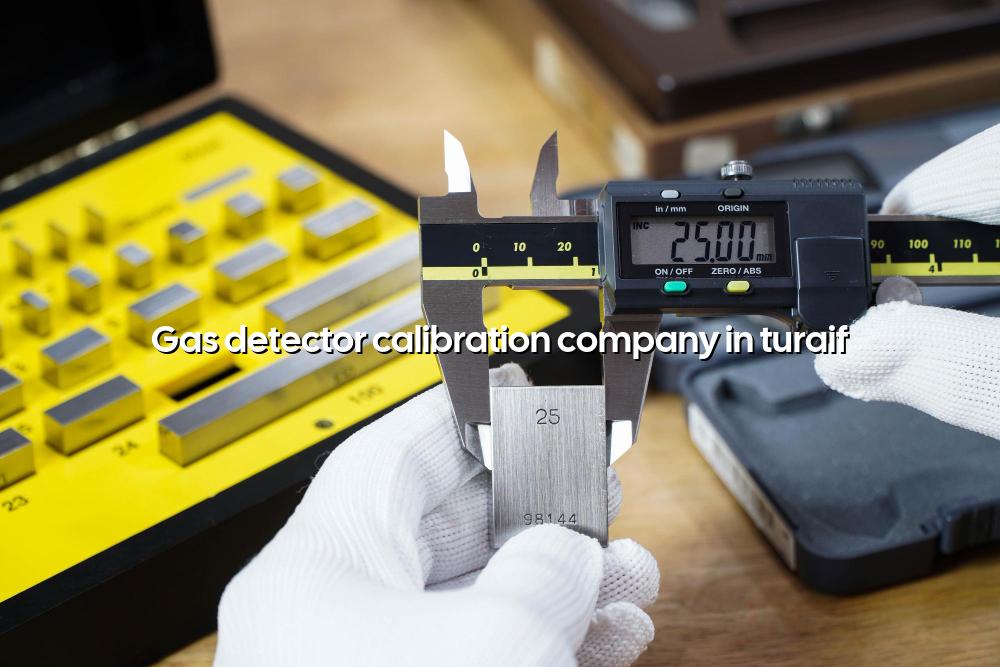
Gas detector calibration company in Turaif services help you keep portable and fixed detectors reading correctly before a shutdown, permit-to-work, or confined-space job starts. If your alarms have drifted, this page shows what gets checked, how the work is documented, and where Mayon fits into the picture.
We work with industrial teams that need traceable calibration, proper functional checks, and practical support on site or in a controlled lab. In northern Saudi Arabia, that usually means oil and gas, utilities, maintenance contractors, and plants that cannot afford a false alarm or a missed gas reading.
What gas detector calibration means for Turaif sites
Gas detectors do more than sound an alarm. They protect people working around hydrocarbon vapours, oxygen deficiency, toxic gases, and tight spaces where a small sensor drift can turn into a bad decision. Calibration checks the instrument response against known reference conditions, then confirms whether the detector still sits inside the tolerance expected by the manufacturer and the site procedure.
Where problems usually start
Most teams call us after a detector has been dropped, exposed to dust, stored for months, or used hard through a turnaround. Sensor ageing, poisoned cells, blocked inlets, and poor bump-test habits all show up the same way on site: unstable readings, nuisance alarms, or a unit that simply won’t respond as it should. On a busy Turaif project, that can slow permits and create arguments at the gate.
Why traceability matters
For Saudi industrial environments, the paper trail matters almost as much as the test itself. You need calibration records that make sense during audits, shutdown reviews, and HSE checks. We work to ISO/IEC 17025:2017 practices in our calibration work, and that discipline helps your maintenance team show what was tested, what reference was used, and what condition the detector was in when it left the bench.
- Receive and identify — we record the make, model, serial number, gas type, and any visible condition issues before the test starts.
- Inspect and function check — the detector is checked for damage, contamination, battery health, display behaviour, and alarm action.
- Apply reference gas or test method — the sensor response is compared with known inputs under controlled conditions.
- Adjust and verify — if the unit allows adjustment, we set it and confirm the response again so the result is repeatable.
- Use bump tests as a quick functional check, not a substitute for full calibration.
- Remove detectors from service if the sensor response looks unstable or delayed.
- Keep instruments paired with their service records and asset numbers.
- Ask for controlled handling if the detector needs special storage or pick-up.
- Plan calibration before shutdowns, tank entries, and confined-space permits.
Gas detector checks and when each one fits
| Check type | Main purpose | Best used when |
|---|---|---|
| Bump test | Confirms the detector reacts to gas and alarms correctly | Before shift start or before entering a hazardous area |
| Calibration | Verifies sensor accuracy against reference conditions | At scheduled intervals, after impact, or after a failed check |
| Functional inspection | Looks for damage, contamination, battery, display, and pump issues | During routine maintenance or when a unit looks unreliable |
| Sensor replacement review | Checks whether the sensor has aged out or become unstable | When response is slow, noisy, or outside acceptable limits |
How calibration supports safety, auditability, and uptime
When a detector is accurate, supervisors can trust the reading and make the right call faster. That matters in hydrocarbon areas, compressor rooms, workshops, tank farms, and confined spaces where workers need a clear pass or stop decision. It also helps during internal audits, contractor approvals, and HSE reviews because the detector record is easier to defend.
What the report should tell you
A useful report should show the instrument identity, the result of the response test, any adjustment carried out, and whether the detector passed or needs attention. We also prefer reports that are readable by maintenance teams, not just calibration specialists. If your team handles multiple sites, that simplicity saves time later.
Built for real industrial use
In our experience, the best gas detector program is the one people actually follow. That usually means a clear tag system, predictable intervals, and a service partner who can handle onsite work, controlled lab work, and instrument transport without creating extra risk for the equipment.
A practical gas detector calibration workflow for busy teams
For plants in and around Turaif, the easiest way to manage detector calibration is to build it into your maintenance cycle instead of treating it as an emergency fix. That keeps the work tied to shutdown windows, annual maintenance, or equipment handover. It also reduces the chance that a critical detector gets lost between the tool room and the job site.
We usually advise clients to group instruments by service area, gas type, and urgency. A handheld detector used by maintenance workers should not be treated the same way as a fixed unit monitoring a process area, and a multi-gas device should be recorded differently from a single-gas unit.
- Build an asset list — list each detector with its serial number, gas channels, and where it is used.
- Sort by risk — separate critical detectors from routine tools so the right units move first.
- Choose service mode — decide whether onsite calibration, lab calibration, or pick-up and delivery makes the most sense.
- Record the result — keep the certificate, as-found condition, and any follow-up repair note together.
- Keep spare detectors ready for critical jobs so field work doesn’t stall.
- Use asset tagging to avoid mixing different calibration intervals.
- Separate calibration due dates by site, contractor, or department.
- Review damaged units early instead of waiting for the next outage.
Portable, fixed, and multi-gas detectors need different handling
Not every gas detector is maintained the same way. Portable units often need frequent functional checks because they travel from locker room to job site and back again. Fixed detectors need more attention to installation condition, tubing, sample lines, and alarm integration with the control system. Multi-gas instruments also bring extra complexity because each sensor channel ages on its own schedule.
Why technicians notice the small things first
Slow start-up, weak pump draw, blocked filters, odd zero readings, and battery problems are usually early signs that a detector needs service. A field technician may spot the issue before the control room does, which is why training and disciplined inspection habits matter. We’ve seen that pattern many times across Saudi maintenance teams.
Calibration work that fits the job
Some detectors can stay in service with a clean calibration and a new filter. Others need repair, sensor replacement, or a closer look at how they’re being used. That’s where having a partner who also handles repair and maintenance helps, because you don’t end up sending the unit to one place for test and another place for the fix.
How Mayon Industrial Services Can Help
We support gas detector calibration alongside wider industrial work, so your maintenance team can handle one partner for calibration, inspection, repair, and commissioning tasks. If you need onsite support in Saudi Arabia or controlled handling for instruments that should not travel loosely, we can plan the job around the way your site actually works.
Call +91 99447 80844 (India) or +966 59 633 8012 (Saudi Arabia), email services@mayonservices.com, or message us on WhatsApp.
Frequently Asked Questions
Honestly, the interval depends on the detector type, sensor chemistry, duty cycle, and site rules. Many plants tie it to their internal maintenance plan and the manufacturer’s recommendation, then add bump tests before use. If the detector has been dropped, exposed to heavy contamination, or failed a response check, it should come out of service right away.
Yes — onsite work is often the easiest choice for active sites because the instruments stay close to the team that uses them. That works well for planned maintenance windows, larger fleets, and jobs where you want less handling. If a detector needs special storage or closer control, we can arrange lab handling instead.
You should expect a service record that identifies the detector, shows the result, and states whether any adjustment was made. For industrial teams, the useful part is the traceable result and the condition note, because that tells you whether the detector passed as received or needed correction.
Slow response, false alarms, unstable zero readings, pump faults, low battery warnings, and contamination around the inlet are all common signs. If the detector behaves differently from one shift to the next, that’s usually enough reason to stop relying on it until it’s checked. In practice, the maintenance team often spots the issue before a formal test does.
Yes, we work with industrial clients across Saudi Arabia, including oil and gas, petrochemical, power, and maintenance contractors. Turaif sites usually need practical scheduling, clear records, and careful instrument handling, and that’s the way we plan the job. If your team is mobilising for a shutdown, we can coordinate around that work.
Need detectors checked before the next permit starts?
Send your instrument list, and we’ll help you plan the right calibration path for the site, the detector type, and the way your team works.
Contact Mayon