
Hydrotesting Service Company in Dammam
Pressure testing for pipelines, vessels and manifolds with field-ready support in Dammam and the wider Eastern Province.
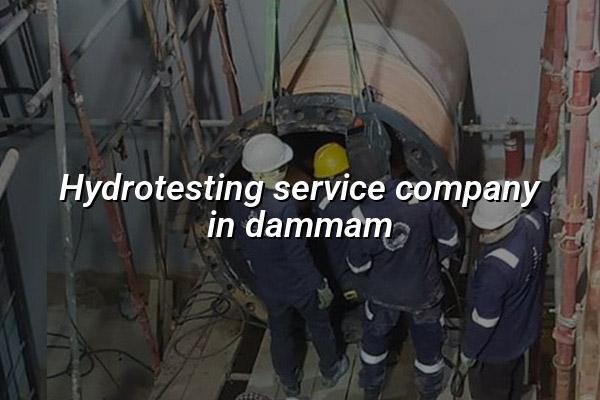
Hydrotesting service company in Dammam is the search most teams make when a pressure system has to prove itself before start-up. We help you check whether a vessel, pipe run, manifold or assembled package can hold pressure safely, with records your QA and maintenance people can stand behind.
From Dammam Industrial City 2 to wider Eastern Province sites, our work fits the way Saudi projects run: tight shutdown windows, mixed vendor equipment, and a real need for traceable test data. We also support clients across India and the Middle East with onsite work, mobile-lab deployment and controlled handling for instruments and accessories that need it.
What a Hydrotesting Service Company in Dammam Should Prove
A proper hydrotest is not just about filling a line with water and watching a gauge. It is about controlled pressure application, leak finding, a clear hold period, and a test record that matches the system tag, the medium used, the gauge range and the acceptance point. For clients in oil and gas, petrochemical, power and manufacturing work, that discipline matters because a small oversight can hold up commissioning or create avoidable rework.
Where hydrotesting fits in your project
We see hydrotesting used on pressure vessels, pipelines, manifolds, jackets, skids, hydrotest manifolds and custom fabricated assemblies. In Dammam and around the GCC, it often sits right before mechanical completion sign-off or after repair work on a section that has been opened for maintenance. If the item has been welded, altered or repaired, a pressure test gives your team a practical check before the system returns to service.
Why the right setup saves time
Good setup is half the job. That means the right pump, suitable blanks, clean water source, calibrated indication, safe venting and enough space to isolate the test area. Our team often finds that the delays come from missing fittings, weak isolation planning or gauges that are too coarse for the required test pressure. A careful setup avoids those headaches and keeps the test readable.
- Confirm the test scope — we check the asset tag, line size, design pressure and the part of the system that will be isolated.
- Prepare the equipment — blanks, hoses, manifolds, gauges and pumps are selected for the job and checked before hookup.
- Fill and vent the system — the line is filled with water and air pockets are removed so the test reading is meaningful.
- Increase pressure in a controlled way — pressure is raised gradually, then held for inspection and leak check.
- Record the result — readings, observations and any corrective action are documented for the handover file.
- Use calibrated gauges with a range that suits the test point, not a random shop gauge.
- Isolate the system properly before pressurising anything.
- Keep a clean water source and verify fill quality when the component is sensitive.
- Plan safe access around the test area so the crew can inspect joints without crowding.
- Keep the paperwork linked to the actual serial number or line identification.
Hydrotesting Checks We Look At Before Pressure Is Applied
| Item | What We Check | Why It Matters |
|---|---|---|
| System identification | Tag, line number, vessel ID or package reference | Keeps the test traceable to the exact asset |
| Pressure indication | Gauge range, calibration status and readability | Gives a credible reading during the hold period |
| Isolation method | Blanks, caps, valves and temporary fittings | Prevents pressure from entering the wrong section |
| Test medium | Water source, cleanliness and fill arrangement | Supports safe testing and better leak detection |
Why Hydrotesting Is Still the Standard Check for Pressure Integrity
Teams still rely on hydrotesting because it gives a direct, physical check of pressure containment. For pressure vessels, manifolds and pipework, it is often the simplest way to see if a flange joint, weld repair or threaded connection can handle the intended load without visible leakage. In practice, that means less guesswork for operations and fewer surprises during commissioning.
What good test evidence should show
A useful report should show the system tested, the date, the equipment used, the recorded pressure and the observations during the hold period. If the project is tied to ISO/IEC 17025:2017 traceability or internal QA requirements, your team will want the gauge record, the asset reference and the sign-off trail in one place. That makes handover much easier when the client, contractor and site team all want the same answer.
Common Dammam job types
We are often asked to support repair hydrotests after valve replacement, skid modifications, vessel maintenance and pre-commissioning of piping packages. Those jobs can sit inside refinery maintenance, plant expansion work, or OEM package checks. The work is practical, not theatrical. You need the test done properly and the file ready for the next person.
What Makes a Hydrotest Go Smoothly on a Saudi Site
Most delays are not technical. They are coordination problems. A test can stall if the area is not isolated, the permit is missing, the line still holds debris, or the client wants a witness point before the crew starts pressurising. On live industrial sites in Dammam, Jubail and nearby zones, the best runs happen when the process owner, maintenance lead and contractor agree on the test boundary before anyone unloads the pump.
We also pay attention to the condition of the temporary setup. Hoses should be rated for the job, couplings should fit cleanly, and the system should be arranged so the crew can see the pressure indication without leaning over an active connection. That sounds simple, but it is exactly where rushed jobs go wrong.
- Confirm the permit and the isolation boundary before mobilising.
- Clean the line so debris does not hide a leak or damage fittings.
- Keep the test gauge visible from the inspection point.
- Use the correct blanks, caps and seals for the pressure level.
How Mayon Industrial Services Can Help
We support hydrotesting with the same field discipline we bring to calibration, mechanical services and testing work. If you need pressure systems checked before startup, repaired items verified after maintenance, or test accessories handled with proper traceability, our team can plan the job with you and mobilise where it makes sense. We work across Saudi Arabia, India and the Middle East, and we can align the job with your site rules, QA file and handover needs.
Call +91 99447 80844 (India) or +966 59 633 8012 (Saudi Arabia), email services@mayonservices.com, or message us on WhatsApp.
Frequently Asked Questions
We set up the test, isolate the system, pressurise it with water, monitor the hold period and record the result. For industrial clients, that usually means pressure vessels, piping, manifolds or skids that need proof of integrity before the next stage of work. The final record should match the asset and the test conditions, not just say the job was done.
If the pipework has been newly installed, modified, repaired or opened for maintenance, a pressure test is usually the cleanest way to check integrity before start-up. In our work around Saudi plants, that often applies to package piping, manifolds and tied-in sections where a visual check is not enough. Your site engineer or QA lead normally defines the exact scope.
Yes, we can plan around live-site conditions. The main things are isolation, permit control, access and clear coordination with the client team. We regularly work in environments where shutdown time is tight, so the job has to be prepared properly before pressure is applied.
Ask for the test record, the asset identification, the gauge or instrument reference, the recorded pressure and the observations during the hold period. If the job sits inside a larger quality file, you may also need the supporting calibration details for the measuring equipment used. That makes audit review much easier later on.
We support clients in Dammam and across Saudi Arabia, and we also serve projects in India and the Middle East. That matters when a project team is split between a head office, an EPC contractor and a site crew. We can coordinate the scope so the same technical standard is applied wherever the asset sits.
Ready to check pressure integrity with confidence?
If you need a hydrotesting team that understands industrial deadlines, site safety and the paperwork that follows the job, talk to us and we’ll help you plan the next step.
Contact Mayon