
Hydrotesting Service Company in Duba
Pressure testing support for pipelines, vessels and skids with onsite crews and mobile-lab capability across Dubai and the wider UAE industrial corridor.
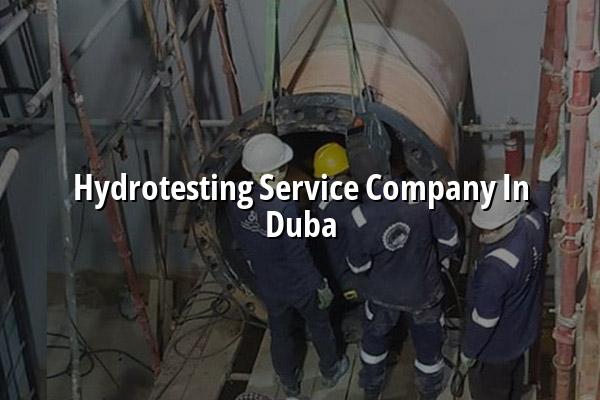
Hydrotesting service company in Duba is the search people use when a pressure system has to prove itself before it goes back into service. That is exactly what this page is for: clear help on hydrotesting for pipelines, pressure vessels, skids and fabricated assemblies, without the fluff.
We work the way industrial teams in Dubai, Dammam and across the Middle East expect. Our crew handles onsite pressure testing, mobile-lab support, repair work and calibration backup, so your maintenance shutdowns, commissioning checks and quality records stay under control.
What a Hydrotesting Service Company in Duba should do
When a client asks us for hydrotesting, the real need is usually simple. They want confirmation that a line, manifold, hose assembly or pressure component can hold the required test pressure without leaks, visible deformation or unsafe behaviour. In Dubai’s oil and gas, petrochemical, power and construction jobs, that check often sits right between fabrication and handover, so the evidence has to be clean and traceable.
Where hydrotesting fits in the job sequence
We normally see hydrotesting after fabrication, welding inspection and basic fit-up checks, but before final commissioning or controlled service return. On a live plant, that can mean a planned shutdown window. On a new skid, it may happen beside the fabrication yard or at the client’s site with temporary hose runs, calibrated gauges and a controlled water fill arrangement.
Why the paperwork matters as much as the pump
Good hydrotesting is not just about pressure. It also needs the right blanking, venting, hold time, calibrated instrumentation and a test record that the QA team can file with confidence. In our experience, the first questions from engineers are about traceability, test media, gauge range and whether the setup was suitable for the equipment class. That is the right way to think about it.
- Review the item and test basis — confirm the line, vessel or assembly, the required pressure and the accepted leak criteria.
- Prepare the setup — isolate the item, fit blinds or caps, place gauges and arrange safe access for the crew.
- Fill, vent and stabilise — remove trapped air, bring the system up gradually and watch the readings settle.
- Hold and inspect — maintain the test condition, check joints, welds and fittings, then record the result for handover.
- Use calibrated pressure gauges and record their identifiers.
- Keep the test area controlled, dry and clearly barricaded.
- Match the test medium and setup to the equipment and process.
- Capture leak checks, hold observations and final status in writing.
Pressure test items, controls and what the client usually asks for
| Item | What we check | Why it matters |
|---|---|---|
| Pipelines and process lines | Pressure hold, visible leakage, joint condition | Helps confirm tightness before commissioning |
| Pressure vessels and tanks | Shell integrity, fittings, manways, no distortion | Supports safe return to duty after fabrication or repair |
| Manifolds and skids | Connections, valve isolation, test routing | Useful for packaged equipment and field assemblies |
| Hydraulic components | Seal performance, hose ends, cylinders, fittings | Reduces leak risk in maintenance and overhaul work |
How we keep the hydrotest controlled
Pressure testing can go wrong fast if the setup is casual. That is why we treat every job like a small project: the line is isolated, the test zone is made clear, the readings are watched from the start, and the crew knows who is responsible for each step. For Dubai sites with limited shutdown windows, that discipline matters because there is little room for confusion.
What the QA and maintenance teams look for
They usually want consistent readings, a clean test report and proof that the instrumentation was suitable for the pressure range. If the item is part of a larger package, they may also ask for related calibration records, repair notes or commissioning evidence. We can tie those pieces together because our team already works across calibration, mechanical services and inspection.
Built for plant work, not desk theory
We know the patterns that show up on real jobs: corrosion in old pipework, awkward access on skids, mixed metric and imperial fittings, and client teams that need the report to be understandable by more than one contractor. A hydrotesting service company in Duba should be able to handle that mix without drama. That is the standard we work to.
Where hydrotesting connects with the rest of the job
Hydrotesting rarely stands alone. It often sits next to flange work, bolt torquing, cold cutting, commissioning checks and calibration of the gauges or instruments used on the job. When a client is dealing with a pressure system that has been repaired or modified, the sequence matters more than people think. One missed step can turn into a delay at handover.
For that reason, our clients often ask us to pair hydrotesting with inspection support, repair and maintenance, or calibration services. That keeps the job under one practical umbrella and helps the maintenance manager avoid chasing separate contractors for the same outage. It is a cleaner way to work, especially on busy industrial sites in Dubai and the wider GCC.
Simple checks that make hydrotesting smoother
A smooth hydrotest starts before the pump is switched on. We always tell customers to clear access, identify the test item clearly and make sure the scope is agreed in advance. That sounds basic, but on an active plant in Dubai Industrial City or a construction yard near Jebel Ali, basic steps save time and avoid rework.
If the item has been repaired, it helps to keep the weld maps, inspection notes and any prior leakage history close at hand. The same applies when the system uses specialty fittings or has been part of a previous modification. The more complete the job file, the less chance there is of confusion during the hold stage.
Practical points we ask clients to confirm
We check whether the item is isolated, whether drains and vents are available, and whether the site can support safe water handling after the test. We also confirm the reporting format the client wants, because some project teams need a brief pass/fail note while others want a fuller record for their QA file. Both are manageable if the scope is clear.
- Mark the test boundary and isolate every connected line.
- Keep drain paths and vent points ready before filling starts.
- Share drawings, weld records or repair notes where available.
- Tell the crew about access limits, hot work nearby or plant permits.
How Mayon Industrial Services Can Help
We support hydrotesting with the same field-first approach we use for calibration, mechanical services and inspection work. That means onsite mobilisation, calibrated instruments, safe test execution and practical reporting that your engineering and QA teams can file without extra chasing. If the job also needs repair support, flange work or instrumentation calibration, we can keep it under one roof.
Call +91 99447 80844 (India) or +966 59 633 8012 (Saudi Arabia), email services@mayonservices.com, or message us on WhatsApp.
Frequently Asked Questions
We test pressure-containing items such as pipelines, manifolds, skids, vessels, tanks and selected hydraulic assemblies. The aim is to confirm the system can hold the required pressure without visible leakage or distortion. The exact scope depends on the asset, the site and the client’s test procedure.
Honestly, it starts with isolation and a proper test plan. The item is filled with the test medium, trapped air is vented, pressure is raised in a controlled way and the system is held while the crew checks for leaks and abnormal movement. The report then records what was tested and what was observed.
Yes. We support onsite work from our India base in Chennai and from our Saudi Arabia operations in Dammam Industrial City 2. Our team works with industrial clients across India, Saudi Arabia and the Middle East, especially where pressure systems need field testing and practical reporting.
Usually we ask for the item description, test scope, pressure requirement, any available drawing or weld record, and the client’s preferred report format. If the system was repaired, the repair notes help a lot. The cleaner the job file, the easier it is to execute the test without back-and-forth on site.
Yes, and that is often the cleanest route. We can support hydrotesting alongside calibration services, flange work, bolt torquing, repair and maintenance, or inspection tasks. That helps keep the shutdown organized and reduces the number of vendors your team has to manage.
Ready to plan the pressure test?
If you need a practical hydrotesting partner for Dubai or nearby industrial sites, talk to our team and we’ll help you shape the scope, site setup and reporting.
Contact Mayon