
Hydrotesting Service Company in Ras Tanura
Pressure testing for pipes, vessels and systems where leak control matters.
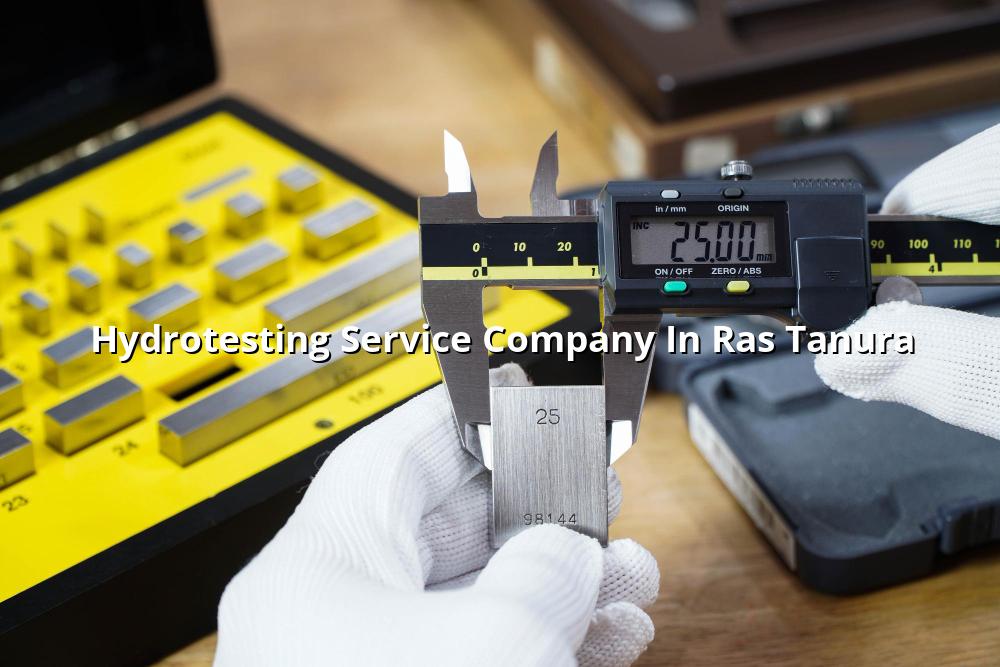
Hydrotesting service company in Ras Tanura searches usually come from teams that need a straight answer, not sales talk. You want pressure testing that finds weak points before a line, vessel or skid goes back into service, and you want it handled by people who understand plant work.
We work with oil and gas, petrochemical and utility sites across Saudi Arabia and the wider Middle East, so we know the rhythm of shutdowns, permit windows and site safety briefings. Our team handles hydrotesting with the same attention we bring to calibration, mechanical services and commissioning jobs, which helps when the test is tied to a larger turnaround.
Hydrotesting service company in Ras Tanura for plant work that needs certainty
Ras Tanura sits in a part of Saudi Arabia where pressure integrity is never treated as a side task. Pipelines, manifolds, process lines, tanks, skids and utility systems all need proof that they can hold pressure safely before handover. That proof starts with a proper test plan, the right isolation, calibrated gauges and a crew that documents what happened at every stage.
What hydrotesting actually checks
Hydrotesting checks whether a system can hold liquid pressure without leaking, deforming or showing signs of weakness. In plant work, that can mean confirming a spool before tie-in, checking a vessel after repair, or proving a completed line before commissioning. We also see requests from teams that need evidence for QA records, not just a passed or failed result.
Why the setup matters more than the pump
The pump is only one part of the job. The real risk sits in the preparation: wrong blanks, poor venting, trapped air, the wrong test medium, or gauges that were never calibrated properly. That is why our hydrotesting work is planned alongside pressure calibration and mechanical readiness checks. When the setup is clean, the test tells you something useful.
- Review the scope — we check drawings, test boundaries, materials, design pressure and site conditions before anything is connected.
- Prepare the system — the line or vessel is isolated, cleaned, vented and fitted with the correct temporary fixtures and test instruments.
- Pressurise in stages — pressure is raised gradually so the team can watch for deformation, leakage or unstable readings.
- Hold and inspect — the system is held at the agreed test level while joints, flanges, welds and fittings are inspected closely.
- Record and release — readings, observations and findings are logged for the client file and the handover process.
- Use calibrated pressure gauges and record numbers before the test starts.
- Keep air out of the system as much as possible so readings stay stable.
- Check flanges, welds and threaded joints before pressurisation.
- Keep the test area controlled and clearly marked during the hold period.
- Match the procedure to the asset, not the other way around.
Hydrotest planning factors we review before site work starts
| Item | What we look at | Why it matters |
|---|---|---|
| System type | Pipework, vessel, skid, manifold or tank | Each one needs a different setup and isolation plan |
| Test medium | Usually water, with site controls for cleanliness and drainage | Medium choice affects safety, clean-up and acceptance |
| Instrumentation | Pressure gauge range, calibration status and recording method | Bad instruments make good tests useless |
| Site conditions | Access, barricading, permits and nearby live equipment | Helps the team work safely around active plant areas |
Testing that supports QA records and handover
Most site teams in Ras Tanura want the same thing from a pressure test: a clear result, clear records and no loose ends when the job reaches commissioning. We work in line with ISO/IEC 17025:2017 when calibrated instruments are part of the test chain, and we keep the process practical for plant teams that need documented evidence.
Where hydrotesting fits in a larger shutdown
Hydrotesting often comes after mechanical completion and before final commissioning. That can be a tight window, especially on brownfield work where other contractors are waiting to continue. In those cases, good coordination matters more than fancy language. The test has to be planned around permits, access routes and the client’s own shutdown schedule.
Typical assets we support
We’re regularly asked to support process piping, pressure vessels, manifolds, hydrotest skids, utility lines and repaired sections that need proof before return to service. In plant environments, that mix is normal. The important part is getting the boundary right and using instruments that can be trusted.
What helps a hydrotest run smoothly on site
Good hydrotesting starts before the hose is connected. If the line is still dirty, if vents are missing, or if the team is unsure about the exact boundary, the test becomes slow and noisy. We’ve seen plenty of jobs lose half a day because a small preparation detail was missed. The fix is simple: check early, document early and keep the site team in the loop.
On live industrial sites around Ras Tanura and the Eastern Province, coordination with maintenance, operations and safety teams is part of the service. You may need temporary blinds, special access or a certain sequence for opening and closing line items. That is normal. We plan for it and keep the work moving in the right order.
Practical points our team checks
We confirm instrument ranges, vent points, drains, pressure boundaries, test duration, witness needs and the handover format. We also watch for simple issues that create bigger problems later, such as trapped pockets of air or unclear tagging on valves and spools. Those small details are usually the ones that slow the whole job down.
- Confirm the line list and test pack before mobilising.
- Make sure vents, drains and isolation points are physically identified.
- Keep calibrated pressure instruments ready for the required range.
- Agree who will witness the test and who signs the records.
- Plan for clean-up, drying and reinstatement after the hold period.
When hydrotesting is part of a bigger maintenance scope
Hydrotesting rarely stands alone. A repair may also need flange work, bolt tensioning, leak checks, mechanical reinstatement or commissioning support. That is where our wider service range helps, because one team can cover the test and the related mechanical tasks without losing continuity on the job.
Why that matters for plant teams
When different contractors handle separate pieces of the same scope, handovers can get messy. If one team does the repair, another does the test and a third handles reinstatement, everyone spends time chasing information. A tighter workflow reduces that friction and keeps the QA file cleaner.
Documents clients usually ask for
Clients often want the test method, calibrated instrument details, boundary notes, witness sign-off and a clear result summary. We prepare the job with that in mind, so the records make sense when they are reviewed later by operations, QA or the client’s third-party team.
How Mayon Industrial Services Can Help
If you need a hydrotesting service company in Ras Tanura, we can support the job from preparation through to handover. Our team also covers calibration, mechanical services, electrical testing and commissioning, inspection, orbital welding and lab setup, so we can fit into a broader plant scope without creating extra coordination headaches.
We work from our India head office in Medavakkam, Chennai, and from Saudi Arabia through SMC Engineering Services / Sixfaces Maintenance Co in Dammam Industrial City 2. Call +91 99447 80844 (India) or +966 59 633 8012 (Saudi Arabia), email services@mayonservices.com, or message us on WhatsApp.
Frequently Asked Questions
Yes, we support hydrotesting for industrial sites in Ras Tanura and nearby Saudi locations. Our work covers process piping, pressure vessels, manifolds and other equipment that needs a pressure integrity check before handover. We plan the test around site safety, permits and the client’s shutdown schedule.
We check the system boundary, isolation points, vents, drains, instrument range and the condition of the joints or welds. We also review the drawings and test pack so the setup matches the actual asset. That reduces the chance of trapped air or a wrong connection affecting the result.
We do, and that matters more than many people expect. A pressure test is only as good as the instruments behind it, so we treat gauge selection and calibration status as part of the job, not an afterthought. That is one reason our calibration capability helps on hydrotest work.
Yes, that is a common request. We often support shutdown and turnaround scopes where hydrotesting has to fit into a fixed access window. Good planning, clear witness arrangements and proper boundary marking help the job move without avoidable delays.
We usually see requests from oil and gas, petrochemical, power, manufacturing and construction teams. Cold-chain and utility systems can also need pressure testing when the project involves piping or pressure-retaining equipment. The common thread is simple: the asset has to prove it can hold pressure safely.
Need hydrotesting support in Ras Tanura?
Send us the scope, and we’ll help you plan the test, prepare the instruments and get the job moving with the right controls in place.
Contact Mayon