
Infrared Thermography Company in Uqair
Find thermal imaging support for plant equipment, electrical panels and rotating assets with traceable industrial inspection methods.
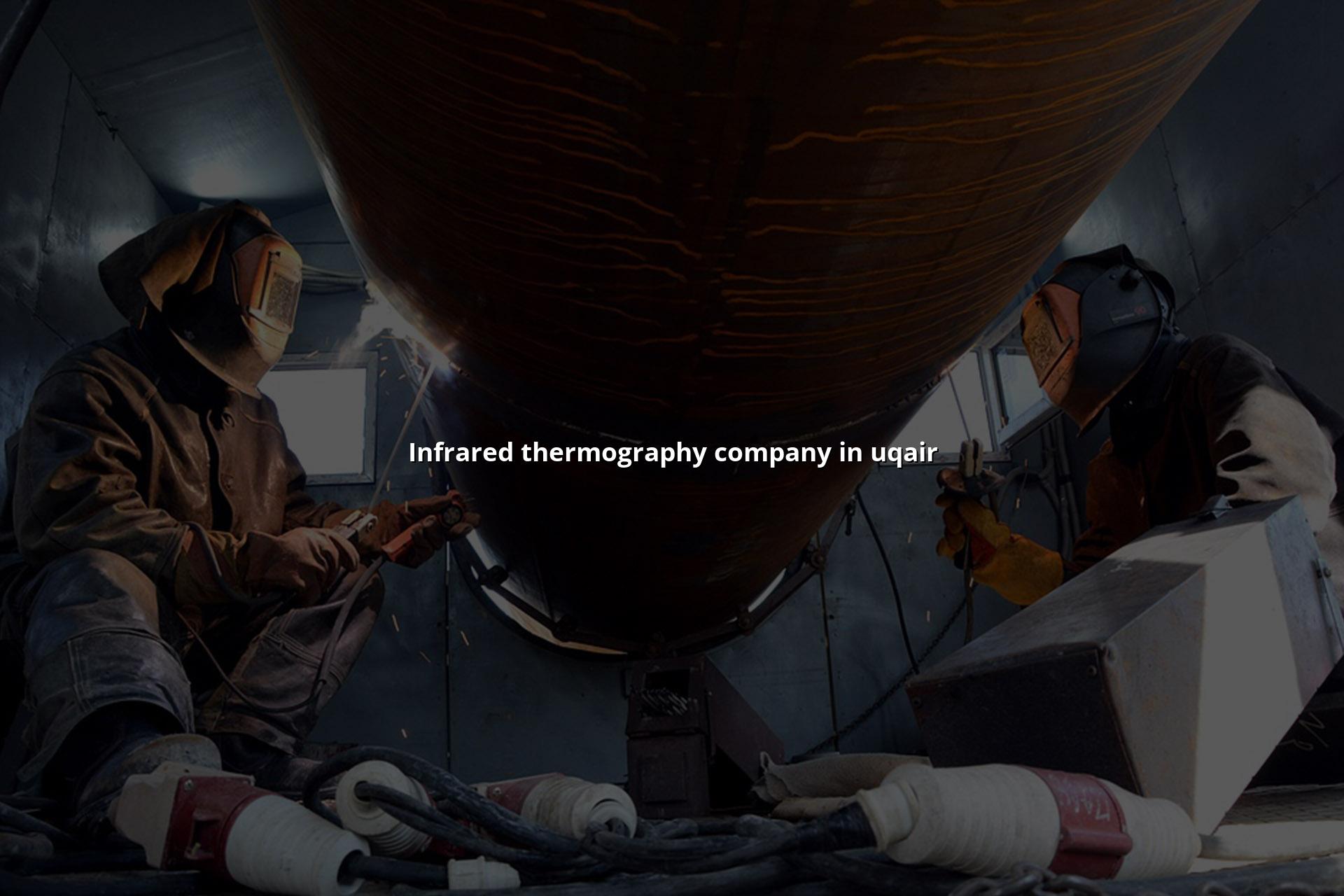
Infrared thermography company in Uqair support usually starts with one thing: you need to know where heat is building before a breaker trips, a joint loosens or a bearing fails. We help maintenance teams read those warning signs early, so your next shutdown decision is based on evidence, not guesswork.
For plants, utilities and marine-linked facilities around the Saudi Eastern Province, thermal imaging works best when it is done by people who understand electrical loading, mechanical friction and field conditions. Our team works with industrial sites across Saudi Arabia and the Middle East using inspection methods that fit real maintenance plans, not generic marketing talk.
Why infrared thermography matters for Uqair sites
Thermal imaging gives you a non-contact way to check electrical panels, motor control centers, rotating equipment, insulated lines and process assets while they stay in service. That matters in Uqair because many sites cannot afford a long stop just to look for a loose busbar, an overloaded feeder, a failing bearing housing or insulation breakdown. A good survey turns temperature patterns into maintenance actions you can defend in front of operations, QA and HSE teams.
What we look for during a survey
Our inspection focus changes with the asset. On electrical systems, we look for phase imbalance, overloads, loose connections and abnormal heating at terminals, breakers and transformers. On mechanical equipment, we watch for friction, misalignment, lubrication issues and hot spots that point to early failure. If the area has high ambient heat, dust or reflective surfaces, we adjust the technique so the images stay useful instead of just looking dramatic.
Where the method fits best
We see the strongest value in distribution rooms, substations, pump houses, compressor skids, warehouse electrical rooms and cold-chain facilities where temperature excursions can hurt product quality. In our experience, managers often ask for infrared work after repeated nuisance trips or a smell of overheating. That is a fair trigger, but it works even better as part of planned predictive maintenance with vibration checks, alignment checks and routine electrical testing.
- Start with the asset list — we review the panels, motors, bearings or process points you want checked and agree on live-access conditions.
- Set the inspection window — load has to be realistic, because a lightly loaded panel may not show the same thermal pattern as it does in service.
- Capture and compare images — the thermal view is read against visible light and field notes, so the location of the fault stays clear.
- Rank the findings — we separate urgent hot spots from watch-list items, then document what needs tightening, cleaning, repair or follow-up testing.
- Useful for live equipment where shutdown is hard to justify
- Helps spot loose joints, overloads and friction before failure grows
- Supports maintenance planning for electrical and mechanical assets
- Works well alongside vibration analysis and laser alignment
Typical thermal imaging focus by asset type
| Asset type | What thermal imaging helps find | Practical maintenance action |
|---|---|---|
| LV and MV electrical panels | Loose terminations, overloads, phase imbalance and hot breakers | Tighten, load-check and verify with electrical testing |
| Motors and pumps | Bearing heating, misalignment and lubrication problems | Check alignment, lubrication and condition monitoring results |
| Compressors and rotating skids | Friction points, abnormal casing temperatures and airflow issues | Schedule mechanical inspection and repair work |
| Cold rooms and freezers | Warm bridges, door leakage and stressed electrical components | Review insulation, seals and temperature control performance |
How to get a cleaner and more useful thermal report
A thermal camera does not replace engineering judgment. Emissivity, reflection, distance and load all change the reading, so the technician has to know what the image can prove and what it cannot. For Uqair and nearby industrial areas, that means planning the survey around real operating conditions, not an empty room before startup.
Small details that change the result
We usually ask for access to the asset while it is carrying normal load, with panel doors opened only where safe and permitted. Clean surfaces help, but the bigger issue is context. A hot spot on a busbar and a warm surface caused by sun exposure do not mean the same thing, and a report should say so plainly.
Best results come from mixed maintenance evidence
When we combine infrared thermography with electrical tests, vibration checks and visual inspection, you get a better picture of what needs attention first. That helps reduce repeat callouts and gives your plant team something solid to work from during shutdown planning.
What you should expect from an infrared inspection report
A useful report does more than attach photos. It should identify the asset, note the location of each finding, describe the likely cause and separate immediate risks from items that can wait for planned work. That is the kind of document procurement, maintenance and operations can all read without a meeting just to decode it.
For industrial clients in Saudi Arabia and the Middle East, documentation also has to support traceability. If the inspection is feeding a larger reliability programme, the report should be clear enough to sit beside your electrical test records, mechanical service notes and plant maintenance log. That way, the history of the asset stays visible.
Common mistakes we try to avoid
One mistake is treating every warm point as a failure. Another is taking thermal images without enough load or without checking whether the surface is reflective. We also see reports that look polished but never say what action should happen next. That is not helpful. People need direction, not more screenshots.
Where the work usually sits in a maintenance cycle
Most teams schedule thermal imaging before a planned shutdown or during a preventive maintenance round. Some also use it after a nuisance trip, during commissioning support or when a critical asset starts to drift from normal behaviour. We can work onsite in Uqair and broader Saudi locations, and for clients in India we can support from our Chennai base and mobile calibration setup where the job needs it.
- Clear asset identification and location notes
- Severity ranking for hot spots and follow-up actions
- Useful for shutdown planning and reliability reviews
- Easy to combine with electrical, mechanical and condition monitoring records
Why thermal imaging is stronger when it sits inside a wider inspection plan
Infrared work gives you a temperature picture, but the cause behind the heat often needs another service line to confirm it. A hot motor may need laser shaft alignment. A stressed electrical feeder may need testing and commissioning. A warm bearing housing may be tied to lubrication or vibration. That is why many clients ask us to support more than one discipline on the same site visit.
We serve oil and gas, petrochemical, power, construction, healthcare, pharmaceutical, cold chain, food and beverage, manufacturing and engineering clients. Those sectors do not want a generic inspection story. They want data that helps them keep assets running, keep product safe and keep people out of trouble.
Types of sites that usually benefit first
Substations, switch rooms, compressor areas, cold stores and process plants tend to show the fastest return because the risks are easy to see. In some cases, a simple thermal scan exposes a problem that had already shown up as a repeated breaker trip or a warm connection under load. That is often enough to justify the next maintenance step.
- Electrical testing and commissioning for LV, MV, HV and EHV systems
- Condition monitoring for vibration, alignment and thermography-based checks
- Mechanical services for bolt torquing, flange work and testing support
- Inspection services and PAT testing for added site compliance support
How Mayon Industrial Services Can Help
If you need an infrared thermography company in Uqair that speaks both inspection and maintenance, we can help with onsite thermal surveys, condition monitoring support and the follow-up work that often comes after a hot spot is found. Our team also handles calibration, mechanical services, electrical testing, orbital welding and lab setup, so you can keep the whole maintenance chain under one roof. We work across Saudi Arabia, India and the Middle East, and we know the pace and documentation needs that industrial clients expect.
Call +91 99447 80844 (India) or +966 59 633 8012 (Saudi Arabia), email services@mayonservices.com, or message us on WhatsApp.
Frequently Asked Questions
Plants with electrical panels, motors, pumps, compressors or cold-chain assets usually get the most value. If you have recurring trips, unexplained heat or a shutdown you want to avoid, thermal imaging is a practical first check. It is also useful for routine predictive maintenance when you need evidence, not assumptions.
Yes — that is one of the main reasons people call us. A bad termination, overload or imbalanced phase often shows up as abnormal heating before the component fails. The key is to scan under realistic operating load and read the image alongside the electrical context.
We commonly inspect electrical panels, breakers, busbars, transformers, motors, pumps, compressors, bearing housings and some cold-chain and process equipment. The exact scope depends on what your team is worried about and what access is safe during the visit. If needed, we can align the visit with other mechanical or electrical work.
Yes, we support Saudi Arabia from Dammam Industrial City 2 through our local setup, and we serve clients in India from Medavakkam, Chennai. We also work with industrial clients across the wider Middle East. The service approach stays focused on onsite inspection and clear reporting.
Give us access to the right assets, confirm any permit or isolation rules and try to keep the equipment under normal load. Clean the area if that is part of your site practice, but don’t shut everything down just for the scan. The main thing is to let us see conditions that actually matter in service.
Need thermal imaging that tells you what to fix first?
Send us the asset list, site location and access window, and we’ll help you plan a survey that fits your maintenance schedule.
Contact Mayon