
Inspection Services Company in Khamis Mushait
Practical inspection support for plants, sites and shutdowns that need clear findings and safe equipment records.
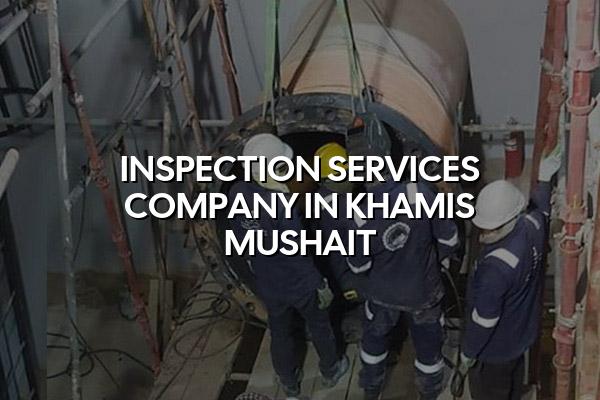
Inspection services company in Khamis Mushait is the phrase many teams use when they need a local partner who can check lifting gear, PPE, and plant items without slowing site work. That is usually the real need: clear findings, usable records, and a team that can come to you when the shutdown window is short.
We support industrial clients across Saudi Arabia from our Dammam base, and we also work with teams in India and the wider Middle East. In practice that means inspection work that fits oil and gas yards, construction sites, warehouses, maintenance shops and fabrication areas where BS EN-style checks, NDT follow-up and tidy documentation matter every day.
What an Inspection Services Company in Khamis Mushait Should Cover
If you are comparing providers, start with scope. A serious inspection services company in Khamis Mushait should be able to handle lifting-equipment inspections, NDT support, PPE checks, and the records that your maintenance or HSE team needs for internal tracking. It should also be comfortable working around live plant areas, access restrictions, and contractor coordination, because that is where delays usually start.
Lifting gear and equipment that need regular eyes on them
We inspect lifting gear because small defects become site problems fast. Shackles, slings, hooks, beams, hoists and related hardware all need consistent checking, especially on jobs tied to construction, logistics, oil and gas support and heavy maintenance work in Saudi Arabia. A useful report is not just a pass or fail line; it tells you what was seen, what was measured, and what should be removed from service.
PPE, NDT and field conditions
PPE inspection sounds simple until a team is trying to manage dozens of helmets, harnesses, gloves and fall-arrest items across more than one job zone. We also support NDT and inspection workflows where surface condition, weld quality or service wear needs a closer look before equipment goes back into use. That mix is common in plants around Khamis Mushait, where site managers want fewer surprises and cleaner handovers.
- Start with the asset list — collect tag numbers, locations and the equipment type before the visit so the inspection route is clear.
- Check the working condition — review obvious damage, wear, markings and service history before testing or detailed examination begins.
- Record the result — document findings in a way your supervisor can read quickly, including any hold, repair or replacement advice.
- Close the loop — remove failed items, track reinspection, and keep the file ready for audit or internal review.
- Ask for field reports that are easy to file with maintenance and HSE records.
- Keep lifting gear tags readable; faded IDs waste time on site.
- Use one inspection schedule for cranes, accessories and PPE so nothing gets missed.
- Tie inspections to shutdowns or planned maintenance so access is simpler.
Typical Inspection Areas and What Buyers Usually Ask For
| Inspection area | What is checked | Typical site need |
|---|---|---|
| Lifting equipment | Visual condition, wear, identification, use suitability | Safe use before lifting work starts |
| PPE inspection | Damage, serviceability, expiry or obvious deterioration | Control of site safety gear across crews |
| NDT support | Surface condition and defect-related checks as required | Follow-up on welds or loaded parts |
| Field reporting | Findings, status, remarks and action items | Records for audits and internal tracking |
Why Reporting Quality Matters More Than a Quick Visit
Most site teams do not ask for a long report. They want one they can use. That means the findings should be clear enough for a supervisor, a maintenance lead and a procurement team to follow without arguing about what happened on the floor. In our experience, poor reporting creates repeat visits, and repeat visits are where small jobs start to eat time.
Useful records reduce friction later
When inspection documents are properly written, you can trace what was checked, what failed, and what has to be done next. That helps during internal audits, contractor handover and routine safety reviews. For clients in Khamis Mushait and the wider Saudi market, it also keeps the site team aligned with the kind of practical evidence expected around lifting and PPE control.
Built for working plants, not desk-only reviews
We plan around live production, access limits and shutdown windows. That suits yards, warehouses, power facilities and contractor sites where equipment has to keep moving while the inspection gets done properly.
How Buyers in Khamis Mushait Usually Choose an Inspection Partner
Procurement teams often begin with location, but that should not be the only filter. They also need a provider that can work across the relevant service mix, show practical field discipline, and keep records tidy enough for repeated use. If your operation spans one yard today and a second site later, consistency matters more than fancy wording.
What to verify before you issue a work order
Ask how the provider handles onsite work, what they include in the report, and whether they can support related services such as NDT or PPE checks when the job expands. You should also confirm the team understands ISO/IEC 17025:2017 and ISO 9001:2015 environments where traceability and process control are part of daily work, even when the task itself is field inspection.
Common site pain points
Unreadable tags, missing asset lists, poor handover notes and no clear follow-up plan. Those four issues show up again and again, and they slow down teams more than the inspection itself.
How Mayon Industrial Services Can Help
We handle inspection work with the same practical mindset we use for calibration, mechanical services and commissioning support. If you need lifting-equipment inspection, PPE checks, field reporting or related NDT support, our team can plan the visit around your site conditions and keep the paperwork usable. We also work alongside maintenance teams, so the handover is easier when equipment needs action after the visit. If that sounds like what you need, speak to us and we’ll take it from there.
Call +91 99447 80844 (India) or +966 59 633 8012 (Saudi Arabia), email services@mayonservices.com, or message us on WhatsApp.
Frequently Asked Questions
The best fit is usually the provider that can inspect the equipment you actually use and give you a report your site team can act on. For lifting gear, that means clear identification, condition notes and a sensible pass or fail result. If the work also touches NDT or PPE, having one team handle the lot saves a lot of coordination.
Usually the visit starts with visual condition and identification, then moves into the specific checks for the item type. On industrial sites that can mean lifting equipment, PPE, weld-related follow-up or other field checks tied to safety and maintenance. The exact scope should be agreed before the team arrives.
Yes. We support clients across Saudi Arabia, with our Saudi operation based in Dammam Industrial City 2, and we also serve India and the Middle East. That matters when your project team is split across more than one location and needs the same reporting style everywhere.
We can support both as part of a wider inspection scope when the job calls for it. That is often useful for contractors and industrial sites where safety gear, loaded equipment and weld-related checks sit in the same maintenance cycle. It keeps the site visit simpler and the records easier to manage.
Send us your equipment list, site location and the inspection scope you need, then our team can come back with the next step. If the job involves a shutdown or contractor schedule, include that too, because it helps us plan the visit around your access window. You can use the contact page, phone, email or WhatsApp.
Ready to get inspection records you can actually use?
Send the scope, the site location and the equipment list, and we’ll help you plan the next step.
Contact Mayon