
Inspection Training in Dammam Industrial City 2
Practical training for teams who inspect, record and sign off equipment on busy industrial sites in the Eastern Province.
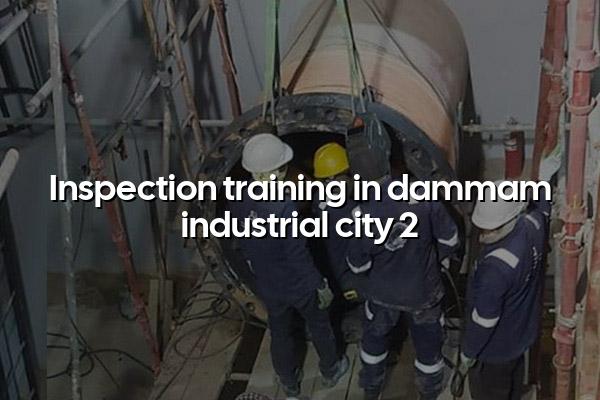
Inspection training in Dammam Industrial City 2 helps your team spot defects early, record them properly and keep equipment safe before it goes back into service. If you're managing a plant, workshop or maintenance crew in the Eastern Province, this page shows what the training covers and how it fits real inspection work.
We train engineers, supervisors and technicians who deal with lifting gear, PPE, welded joints and basic site safety checks. Our approach is hands-on and practical, built around the kind of work seen in Saudi industrial areas, with the same discipline we use on inspection, calibration and commissioning jobs across Saudi Arabia, India and the Middle East.
What inspection training in Dammam Industrial City 2 covers
In a place like Dammam Industrial City 2, inspections are not paperwork exercises. Teams need to recognise worn slings, damaged PPE, loose fixtures, cracked welds and abnormal conditions fast, then document findings in a way that stands up to internal review. That is why inspection training has to combine visual judgement, measurement discipline and reporting habits that support ISO 9001:2015 quality systems and BS EN-based inspection work.
Why site teams ask for this training
Most requests we hear come from maintenance departments that already have equipment in service and want their own people to become sharper at pre-use checks and routine inspections. In practice, that means teaching staff how to look at lifting equipment, identify obvious reject conditions, understand basic NDT findings, and separate a minor surface issue from something that needs escalation. The goal is simple: fewer missed defects, cleaner records and safer handovers.
What makes the Dammam setting different
Industrial City 2 brings together fabrication, logistics, oil and gas support, and heavy maintenance activity. A trainee here may see different equipment in one week than a colleague would see in a small standalone workshop in another city. So we shape the session around the local job mix, including lifting tackles, PPE inspection, site coordination and the kind of evidence a QA manager wants before closing a finding.
- Start with the equipment list — identify the lifting gear, PPE and inspection items your site actually uses.
- Review visual defect signs — train the team to spot wear, deformation, corrosion, cracks and missing identification marks.
- Practice recording findings — write clear notes, attach photos where needed and use a repeatable log format.
- Apply pass or fail decisions — decide when an item can be used, needs repair or must be removed from service.
- Close with site controls — link the training back to tagging, segregation, escalation and supervisor sign-off.
- Teaches practical inspection habits, not just classroom theory
- Supports lifting-equipment and PPE checks under BS EN expectations
- Helps teams document defects clearly for QA and maintenance follow-up
- Fits industrial sites that need staff to inspect before use and during routine rounds
- Works well for supervisors, technicians and newly assigned safety personnel
Typical topics covered during inspection training
| Topic | What the trainee learns | Typical site use |
|---|---|---|
| Lifting equipment inspection | Visual checks, damage recognition and safe reject criteria | Slings, shackles, hooks and lifting accessories |
| PPE inspection | How to spot wear, expiry issues and unsafe conditions | Helmets, harnesses, gloves and other issue-controlled PPE |
| Basic NDT awareness | What surface defects and report findings mean in daily work | Welded structures, supports and fabricated items |
| Inspection records | How to write clear notes and keep traceable logs | Plant rounds, QA files and maintenance handover packs |
How good inspection habits protect people and equipment
A strong inspection routine does more than catch broken parts. It also reduces confusion between operations, maintenance and safety teams, because everyone starts using the same language for defects, limits and next steps. That matters on industrial sites where a missed issue can stop a lift, delay a shutdown task or put a worker at risk during routine handling.
What managers usually want from the outcome
They want fewer arguments over whether an item is serviceable, better traceability in records and a team that can explain why a piece of equipment was accepted or rejected. We often see a quick improvement in confidence once the team learns how to inspect consistently and report the same way every time. It saves time during audits too, because the file trail makes sense.
Built for real plant conditions
The training is aimed at sites where dust, heat, vibration and repeated handling can hide defects. We keep the examples close to actual working conditions in Saudi industrial zones, so the lessons stay relevant once the team is back on shift.
How the session is usually delivered
We usually begin with a short discussion about the site, the equipment in use and the inspection records already in place. That lets us tailor the examples instead of teaching from generic screenshots. After that, the session moves into practical identification of defects, checklists, tagging rules and reporting discipline.
Where required, we can also relate the training back to related services such as lifting-equipment inspection, NDT support, PAT testing or temperature mapping, because many industrial sites want one working method across multiple inspection categories. The point is not just to train people to tick boxes. It is to help them recognise what the box means.
For teams in Dammam Industrial City 2, that is especially useful when the site has contractors, rotating maintenance staff or shared equipment across multiple shifts. A simple, repeatable inspection method keeps standards steady even when personnel change. That stability is what QA teams usually ask for first.
We can also recommend practical follow-up actions for supervisors who want better control over inspection tags, defect reporting and refresher training. Small changes there often make the biggest difference.
How Mayon Industrial Services Can Help
Our team supports inspection training with the same field mindset we use for lifting-equipment inspection, NDT support, calibration and mechanical work. If your site in Dammam Industrial City 2 needs people who can inspect more confidently and write cleaner findings, we can build the session around your actual equipment and reporting flow.
We also help with related needs such as PAT testing, temperature mapping, orbital welding, lab setup and repair work, so the training can sit inside a wider quality and maintenance program. Call +91 99447 80844 (India) or +966 59 633 8012 (Saudi Arabia), email services@mayonservices.com, or message us on WhatsApp.
Frequently Asked Questions
The session usually covers visual inspection basics, defect recognition, record keeping and pass or fail decisions for the equipment your team handles every day. We focus on lifting equipment, PPE and the practical side of reporting so supervisors can use the results straight away. If your site has a special workflow, we can align the content to that too.
Supervisors, technicians, QA staff and maintenance personnel usually get the most value from it. Honestly, the best groups are the people who already handle inspections but want a more consistent method, because they can apply the lessons immediately. It also helps new safety staff who need a better grip on site-level checks.
Yes. We can frame the learning around BS EN expectations so the team understands the kind of checks, records and reject conditions that matter in lifting and inspection work. That helps when your site needs a clearer audit trail for internal review or contractor control.
Yes, we can train onsite so your team works with the same equipment and documents they use on shift. That usually makes the learning stick better, because the examples match the actual site conditions. It also saves time when you want the session tied to a live maintenance or QA process.
Send us your location, the type of equipment involved and the size of the team you want trained. From there, we can discuss the scope and arrange the next step through our contact page or by phone and WhatsApp. If you already have inspection logs, those are useful to review before the session starts.
Ready to strengthen your inspection team?
If your site in Dammam Industrial City 2 needs better inspection habits, clearer records and more confident sign-off decisions, talk to Mayon and get the conversation started.
Contact Mayon