
Lifting Equipment Inspection Company in Abqaiq
Third-party lifting inspections for cranes, hoists, hooks, slings and lifting accessories used in oil, gas and industrial work.
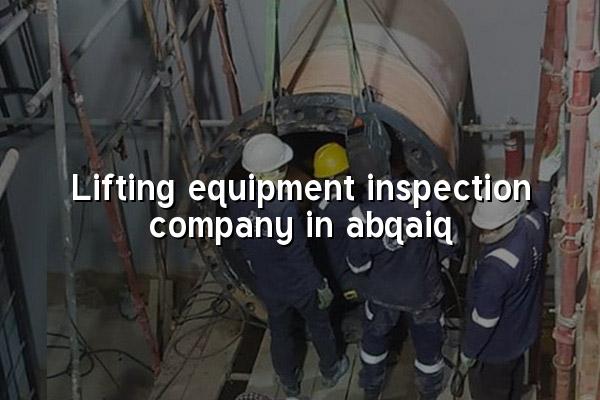
Lifting equipment inspection company in Abqaiq is a search most teams make when a crane, hoist or sling needs a proper third-party check before work starts. We help you get that part right, with inspections that are practical, traceable and built for real site conditions.
In Abqaiq, that usually means equipment tied to oil and gas maintenance, plant shutdowns, warehouses and fabrication yards. We work with lifting accessories and equipment that have to stand up to daily use, rough handling and strict internal permit systems, so the paperwork and the hardware both make sense.
Lifting equipment inspection company in Abqaiq for active sites
When a site asks for lifting gear inspection, they usually need more than a quick visual look. They need someone who can check condition, identify damage, confirm identification marks, and support the decision to keep the item in service or pull it out. That matters in Abqaiq, where one failed shackle or worn sling can stop a job and create a safety problem nobody wants near a live plant.
Why third-party checks help
A third-party lifting inspection gives your maintenance or HSE team an outside set of eyes. We look at the item as it is used on the floor, not as a brochure sample. Bent hooks, distorted links, damaged wire rope, missing tags and poor storage habits show up fast when a proper inspection is done by someone who knows what to look for.
What we usually see on site
Most of the calls we get from industrial customers are about cranes, chain blocks, web slings, eyebolts, shackles, spreader beams and lifting accessories that have been in service for a while. Some are perfectly fine. Some need cleaning, re-tagging, repair coordination or removal from service. Either way, the inspection gives you a clear record instead of a guess.
- Start with equipment identification — we confirm the asset name, serial number or tag and match it to the item in front of us.
- Check the visible condition — we look for corrosion, deformation, cuts, cracks, wear and missing fittings.
- Review function and fittings — hooks, latches, shackles, pins and moving parts are checked for obvious defects and proper operation.
- Record the finding — we issue inspection notes so your team knows what passed, what needs action and what should be quarantined.
- Useful for shutdowns, turnarounds and routine plant maintenance
- Supports lifting plans, permit systems and internal safety audits
- Helps reduce repeat damage from poor storage or rough handling
- Works well for contractors bringing gear into oil and gas sites
What a lifting equipment inspection can include
| Item category | What we check | Typical result |
|---|---|---|
| Chain blocks and lever hoists | Hook condition, chain wear, brakes, latches, labels | Fit for service, monitor, or remove from use |
| Slings and webbing | Cuts, burns, distortion, stitching, tag legibility | Pass, quarantine, or replace |
| Shackles and eyebolts | Deformation, thread damage, pin fit, corrosion | Accepted or rejected with notes |
| Crane lifting accessories | Identification, visible wear, safety markings, condition | Recorded inspection status for site control |
How inspections are kept consistent
Our lifting equipment inspections are carried out with BS EN standards in mind, because site teams need a repeatable method they can defend in front of auditors, supervisors and clients. That means the check is not just a glance at the paintwork. We focus on visible damage, serviceability, markings and the type of defect that can affect safe lifting.
What your team gets from a proper report
You get a clear record that helps with internal control, contractor sign-off and maintenance planning. In many sites around Saudi Arabia, that record matters almost as much as the physical inspection because lifting gear moves between stores, workshops and active workfronts. If the tag is missing, the history gets messy fast. A clean report helps fix that.
Useful across Abqaiq operations
We see this work used in oil and gas maintenance, petrochemical support, fabrication yards, warehouses and general industrial handling. If your gear travels between jobs, gets shared across crews, or sits in storage between shutdowns, inspection discipline matters even more than usual. That is where small defects often get missed.
From site visit to final release
The process is straightforward, but the details matter. We keep the job focused on the equipment you actually use, and we avoid vague comments that don't help anyone decide what to do next. If a shackle passes, we note it. If a sling needs to be removed, we say that plainly.
Step-by-step inspection flow
Our team usually starts by grouping the items by type and use. That saves time on site and keeps similar defects together, which helps your supervisors review the results without scrolling through a messy list. From there, we work through the condition check, mark the finding and hand over the result for action.
What makes the report useful
A good report should help your lifting supervisor make a decision without calling three people. It should show what was checked, what was found and what should happen next. That's the standard we aim for, especially on busy sites where the lift window is short and no one wants extra confusion.
- Receive the equipment list — we review what needs inspection and identify any special site constraints.
- Inspect on location or in controlled conditions — the check is done where the item is used, or in our lab if the item needs special handling.
- Separate serviceable from questionable items — items with damage or unreadable markings are flagged clearly.
- Issue the inspection record — your team gets a basis for release, quarantine or follow-up action.
- Good for shutdown lifts, warehouse handling and contractor mobilisation
- Helps maintain traceability for lifting accessories in shared stores
- Useful when you need a neutral opinion before reissuing gear
- Fits well with safety audits and plant access requirements
Issues we find again and again
Most lifting equipment does not fail all at once. It gets worse little by little. A hook opens up slightly, a sling tag disappears, a pin goes missing, or a chain starts to show wear where someone kept using it after the first warning signs were already there. That is why routine inspection beats waiting for a problem.
In practice, the same patterns keep coming back: damage from dragging gear across concrete, corrosion after poor storage, overloading, and mixing equipment from different jobs without checking its status. None of that is unusual, and none of it should be ignored.
What BS EN-minded inspection helps you avoid
It helps you avoid half-documented gear, unclear release decisions and those awkward moments when a supervisor asks who last checked the equipment. A clean inspection routine gives your site a better story and fewer surprises.
Best fit for mixed industrial stores
If your store holds slings, shackles, blocks, spreader beams and special lifting items together, inspection discipline becomes part of stock control. We help keep that picture clear so good equipment isn't mixed up with gear that should already be out of service.
How Mayon Industrial Services Can Help
We support lifting equipment inspection in Abqaiq with a practical, site-ready approach that suits oil and gas facilities, maintenance contractors and industrial stores. Alongside inspection services, our team can help with condition monitoring, mechanical services, calibration and other industrial support work when a wider maintenance plan is needed.
We work from Medavakkam, Chennai for India and from Dammam Industrial City 2 through SMC Engineering Services / Sixfaces Maintenance Co for Saudi Arabia. Call +91 99447 80844 (India) or +966 59 633 8012 (Saudi Arabia), email services@mayonservices.com, or message us on WhatsApp.
Frequently Asked Questions
Yes, we do. Our inspections are set up for industrial sites that need clear, third-party checks on lifting gear used in maintenance, shutdown and handling work. We focus on the item's condition, markings and usability so your team can make a proper release decision.
We check the visible condition of the item, identification marks, hooks, latches, pins, wear points and obvious damage. If something looks unsafe or unreadable, we flag it clearly. The aim is to give you a simple yes, no or follow-up decision, not a vague comment.
Yes. On-site work is often the best option because the equipment can be checked where it is actually used. That helps when the gear is tied to a work permit, a lift plan or a shutdown activity and needs to be reviewed without unnecessary movement.
Yes, and that is a common request. Contractor gear often arrives with mixed history, so we help site teams check what is fit for use before it enters the job. That keeps the handover cleaner and reduces confusion between the contractor and the plant team.
Because it gives your team a consistent inspection language. BS EN standards help keep the check disciplined, so you're not relying on personal opinion alone. That matters when several people handle the same lifting gear across different shifts or job sites.
Yes. If the job needs more than inspection, we can also support calibration, mechanical services, condition monitoring, orbital welding, lab setup and related industrial work. That makes it easier for you to deal with one team instead of chasing separate vendors for every task.
Ready to check your lifting gear properly?
If you need a lifting equipment inspection company in Abqaiq, send us the equipment list and we'll help you plan the next step with a clear, field-ready approach.
Contact Mayon