
Lifting Equipment Inspection Company in Riyadh
BS EN lifting checks for cranes, hoists, chains, slings and lifting accessories used on Riyadh worksites.
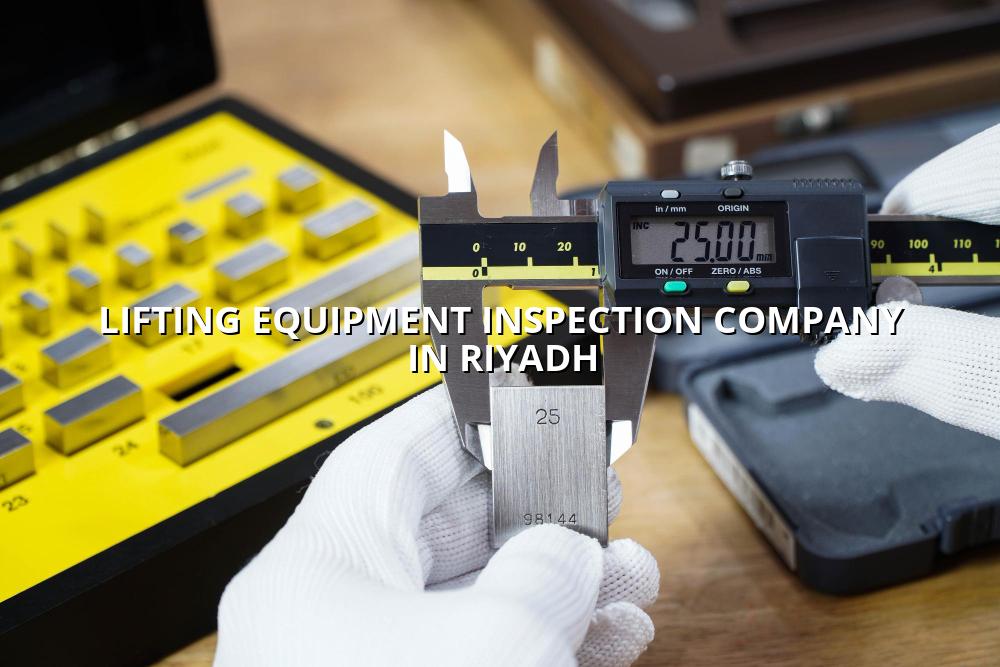
Lifting equipment inspection company in Riyadh support matters when your crane, hoist or rigging gear is already on site and the job can't wait for guesswork. We help you check the condition, documentation and basic safety status of lifting gear so you can keep work moving with less risk and fewer surprises.
Our team works with industrial clients across Saudi Arabia, including Riyadh projects tied to construction, power, petrochemical and manufacturing. We inspect equipment used in real yard and field conditions, then align the work with BS EN standards and the inspection records your QA team expects.
What a lifting equipment inspection company in Riyadh should cover
A proper lifting inspection is not just a quick look at paint, tags and paperwork. We check the item against its intended use, visible condition and traceable records, then flag wear, deformation, missing identification or anything else that could affect safe lifting. For Riyadh sites, that often means cranes, chain blocks, web slings, shackles, hooks, eyebolts and other accessories that get used hard in heat, dust and long shifts.
Why local industrial sites ask for inspection early
In Riyadh, most calls come before a shutdown, major lift or client audit. That timing makes sense. A late inspection can slow a rigging crew, while an early one gives maintenance enough room to replace damaged gear, separate rejected items and keep the lifting plan on track. We also see a lot of repeat checks on gear shared between workshop, warehouse and project teams.
How we look at the equipment
We pay attention to the parts that matter in the field: identification marks, safe working condition, signs of corrosion, hook throat opening, sling damage, attachment points and load-bearing hardware. If the job involves third-party lifting equipment inspection for a contractor or facility owner, the record trail needs to be clear enough for the supervisor, HSE team and procurement file to make sense later.
- Identify the asset — we confirm the item, serial or tag number, service history and the lifting duty it was meant for.
- Check the visible condition — we look for distortion, cracked welds, damaged stitching, corrosion, worn labels and missing parts.
- Verify the paperwork — we compare the inspection record, asset list and any relevant client requirement so the file is usable in the field.
- Mark the outcome — we separate serviceable and rejected items, then advise what needs repair, retest or replacement before use.
- Keep shackles, slings and hooks grouped by ID so the inspection report stays traceable.
- Remove unreadable tags before the lift crew starts, not after the inspection team arrives.
- Quarantine damaged gear immediately; one mixed bag of good and bad items creates delays.
- Ask for a site visit if the equipment is already installed on a gantry, crane or lifting frame.
Inspection focus by equipment type
| Equipment | What we check | Typical site concern |
|---|---|---|
| Chain slings | Links, tags, hooks, elongation, wear and distortion | Repeated use on rough handling points |
| Web slings | Stitching, cuts, burns, label legibility and edge damage | Damage from sharp edges and poor storage |
| Shackles and hooks | Pin fit, opening, deformation, locking devices and ID marks | Mixing wrong size or unmarked hardware |
| Hoists and crane gear | Basic mechanical condition, attachments and visible defects | Missed issues before shutdown or heavy lifts |
Why Riyadh teams want inspection records they can trust
For plant managers and HSE teams, the real value is not just spotting a defect. It's having a record that helps your team decide whether the item can stay in service, needs repair or should be withdrawn. That matters when you are dealing with subcontractors, rotating crews and lifting gear shared across several jobs.
BS EN standards and field traceability
We work to BS EN standards for lifting and inspection, so the report is written in a way that supports practical decisions on site. If you run a warehouse, construction yard or maintenance workshop in Riyadh, you usually need clean evidence for audits, lift plans and internal sign-off. That's where the detail in the inspection file starts to matter.
Built for active worksites
We handle lifting checks around shutdown windows, construction schedules and maintenance activity, so the inspection sits around your work instead of slowing it down. If the gear is already installed or hard to move, we can inspect it where it stands and keep the conversation practical.
How Mayon Industrial Services Can Help
Mayon Industrial Services supports lifting equipment inspection with the same field-minded approach we use for calibration, mechanical services and inspection work across Saudi Arabia. We can look at lifting accessories, damaged hardware, site records and related safety concerns, then help you decide what stays in service and what needs attention. If your Riyadh team needs a dependable inspection partner, talk to us and we'll map the next step with you.
Call +91 99447 80844 (India) or +966 59 633 8012 (Saudi Arabia), email services@mayonservices.com, or message us on WhatsApp.
Frequently Asked Questions
We check the item's visible condition, identification, attachments and obvious wear before it goes back into use. That usually includes slings, shackles, hooks, hoists and other lifting accessories used on the job. If something looks unsafe or the traceability is weak, we flag it clearly so your team can take the next step.
Yes, we can inspect equipment where it is already installed or being used on site. That helps when gear is fixed to a crane, mounted in a workshop or tied to a shutdown schedule. It also avoids extra handling of large or awkward items.
Most of the work we see is on chain slings, web slings, shackles, hooks, hoists and similar lifting accessories. On larger sites, we also get requests around crane-related components and installed lifting arrangements. The exact scope depends on what your site uses and what your client or internal procedure asks for.
Yes, we work with BS EN standards for lifting and inspection, so the checks and reporting are written for practical site use. That makes it easier for your HSE team, supervisors and buyers to read the result without guessing what was done. It also helps when records need to sit alongside other compliance files.
A third party gives you a cleaner record, especially when lifting gear is shared across contractors or moved between jobs. It reduces arguments over who checked what and when. That matters during audits, incident reviews and pre-lift sign-off.
Need lifting inspection support in Riyadh?
Send us the equipment list, site location and your inspection needs, and we'll help you plan the next practical step.
Contact Mayon