
Lifting Equipment Inspection Company in Jafurah
Third-party lifting inspections for Saudi sites that need clear records, safer lifts and practical support from a team that understands field work.
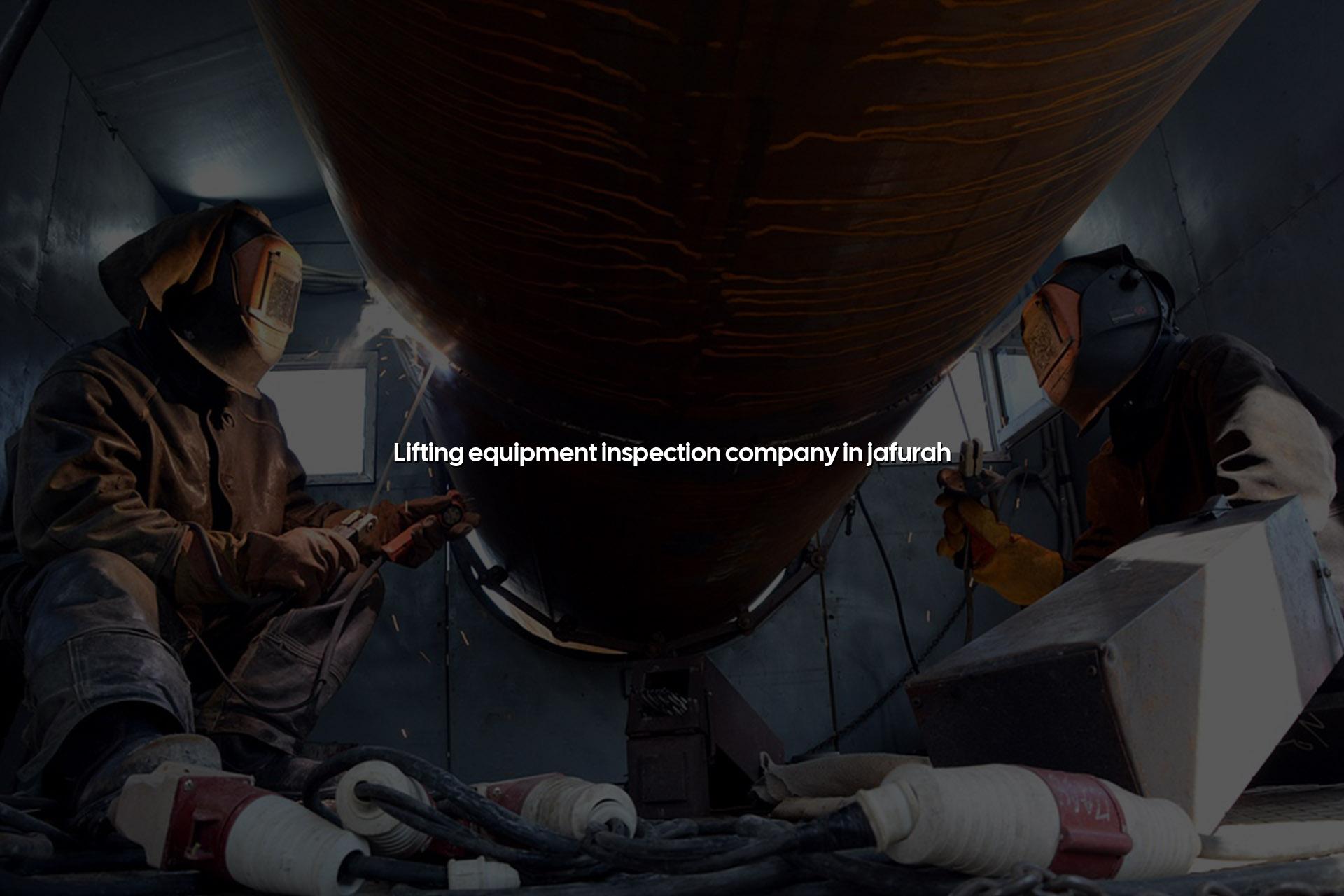
Lifting equipment inspection company in Jafurah searches usually come from people who need a straight answer fast: can the gear be inspected, tagged and documented before the next lift? That is exactly where we help. We check lifting equipment with a field-first approach so your crane, rigging and accessories are assessed against the actual use case, not a paper checklist.
Our team works with Saudi industrial sites that can’t afford guesswork. In gas, petrochemical and construction work around Jafurah, the details matter: sling condition, hook wear, shackles, certificates, traceability and what the site manager can show during a client audit or safety review.
What a lifting equipment inspection company in Jafurah should cover
A proper lifting equipment inspection company in Jafurah should do more than stamp a tag and move on. You need checks on mechanical condition, visible damage, identification, working status and the documents that travel with the equipment. That includes lifting accessories used in day-to-day work such as shackles, eye bolts, hooks, wire rope slings, chain slings, spreader beams and other lifting items used on site.
Why site teams ask for third-party checks
Most calls we get are from maintenance leads, HSE teams or procurement people who want an independent view before equipment goes back into service. On a busy pad or plant, lifting gear gets mixed between crews, moved between contractors and used in harsh conditions. Third-party inspection gives you a clearer line between routine use and equipment that needs repair, withdrawal or further examination.
Why the paperwork matters as much as the steel
For Saudi industrial work, the paper trail is not an extra. Site managers often need traceable records for lifting plans, asset control and internal audits. We keep the focus on practical evidence: serial numbers where available, observed condition, findings, pass or fail status and the notes your team needs to act on the result.
- Identify each item — confirm the asset type, marking and any visible identification before the check starts.
- Inspect the body and fittings — look for deformation, wear, cracking, corrosion, broken strands, missing parts and damaged welds.
- Verify function and suitability — confirm the item matches the intended lifting task and working conditions.
- Record the result clearly — list the condition, the status and any action needed before the equipment returns to service.
- Use a third party when your client asks for independent verification.
- Ask for clear pass or fail status, not vague comments.
- Keep inspection records with the lifting plan and site asset list.
- Remove damaged gear from service immediately.
- Recheck equipment after repair or after rough field use.
Lifting equipment inspection checks used on Saudi projects
| Item | Typical check | What the site team gets |
|---|---|---|
| Shackles | Body wear, pin condition, deformation, marking | Pass/fail result and note on serviceability |
| Wire rope slings | Broken strands, corrosion, kinks, end fittings | Condition record for continued use or withdrawal |
| Chain slings | Stretch, hook wear, tags, damaged links | Clear identification of items needing action |
| Spreader beams | Welds, lifting points, labels, deformation | Inspection note that supports safe lifting planning |
Why BS EN standards and third-party records matter
For lifting work, the job is never just about getting the load off the ground. The team needs confidence that the gear can take the load safely, the records are tidy and the equipment has been checked by someone who knows what failure looks like in the field. We support lifting-equipment inspection work to BS EN standards, which helps when you need a record that stands up inside a contractor chain or client review.
Common failure points we see
In our experience, the trouble starts with small damage people ignore. A worn hook latch, a twisted sling eye, a missing tag or a bent shackle pin can slip through a rushed pre-use check. Once a piece of equipment is in mixed contractor use, those small issues spread fast because nobody wants to stop the lift.
What good inspection support changes
It gives your team a cleaner decision before each lift. You can isolate unsafe gear, document what still passes and keep your lifting register in better shape for shutdowns, turnarounds and routine maintenance work. That matters on Saudi sites where equipment moves between contractors, yards and work fronts.
How we approach lifting inspection in Jafurah
We keep the process practical because most sites in and around Jafurah don’t need a lecture. They need a dependable inspection team that can work around operations, isolate the gear that matters and write the findings in plain language. When the equipment arrives on the job, we review the item, its condition and the intended use before deciding what can stay in service.
For complex or high-risk lifting tasks, that review may involve a closer look at attachments, structural members, lifting points and the condition of the associated accessories. Where the equipment belongs to a broader maintenance or shutdown scope, we can fold the inspection into the wider work package so the site team isn’t chasing multiple vendors for the same lift.
What we expect from the site
We ask for access to the equipment, the available history and the job context. If the item has been stored outside, used near abrasive material or handled by several crews, tell us that early. It helps us focus on the spots that usually fail first.
- Inspection records should match the asset used on site.
- Tags and markings should be readable before release.
- Any doubt about deformation should trigger removal from service.
- Lifting accessories used in harsh weather need closer attention.
- Repaired gear should be checked again before reuse.
Where this service helps most
Jafurah is tied closely to gas development, industrial support work and the supply chain that keeps big projects moving. That means lifting equipment is used in yards, fabrication areas, maintenance zones and shutdown crews, often under pressure and with limited downtime. We regularly speak with teams in oil and gas, petrochemical, power, construction and manufacturing who need inspection support before equipment gets put back into service.
A good inspection service helps at the point where risk is highest: a critical lift, a short shutdown window or a mixed fleet of accessories with no one owner. If your site is tracking equipment across several crews, the inspection report becomes part of the control system, not just a certificate in an email inbox.
How Mayon Industrial Services Can Help
We support lifting equipment inspection work with the same discipline we bring to calibration, mechanical services and industrial QA jobs. If your lifting gear needs third-party inspection, supporting records or a wider maintenance scope, our team can help you line up the work without slowing the site down. We also work across Saudi Arabia from Dammam Industrial City 2, which helps when projects need local field coverage and practical coordination.
Call +91 99447 80844 (India) or +966 59 633 8012 (Saudi Arabia), email services@mayonservices.com, or message us on WhatsApp.
Frequently Asked Questions
We check the visible condition, identification and serviceability of lifting gear and accessories. That usually means wear, deformation, corrosion, missing parts and anything else that could make the item unsafe for the intended lift. The result should be clear enough for your site team to act on immediately.
Yes, we support Saudi projects from Dammam Industrial City 2 and work with site teams that need independent inspection records. That is useful when the asset is part of a contractor fleet, a shutdown package or a client-controlled lifting register. We keep the findings practical and readable.
We commonly inspect shackles, slings, hooks, spreader beams and related lifting accessories used on industrial sites. If your job includes other lifting items, send the list and the site context so we can confirm the scope before mobilization. That keeps the inspection focused and avoids wasted time.
Yes. If the gear has been dropped, overloaded, bent or exposed to rough handling, we can inspect it and tell you whether it should stay out of service, go for repair or be replaced. That kind of decision is better made before the next lift, not after it.
For this service page, we refer to BS EN standards because that is the compliance language many lifting and inspection teams in the region expect. We keep the scope to the standards and certifications we actually use on the site, without inventing extra approvals. If you need a specific site requirement checked, share it with us before booking.
Ready to put the lifting register back in order?
If your Jafurah project needs inspection support for lifting equipment, talk to our team and we’ll help you plan the next step.
Contact Mayon