
Lifting Equipment Inspection Company in Diriyah
Certified lifting inspections for cranes, hoists, slings and accessories across Diriyah and nearby Saudi industrial sites.
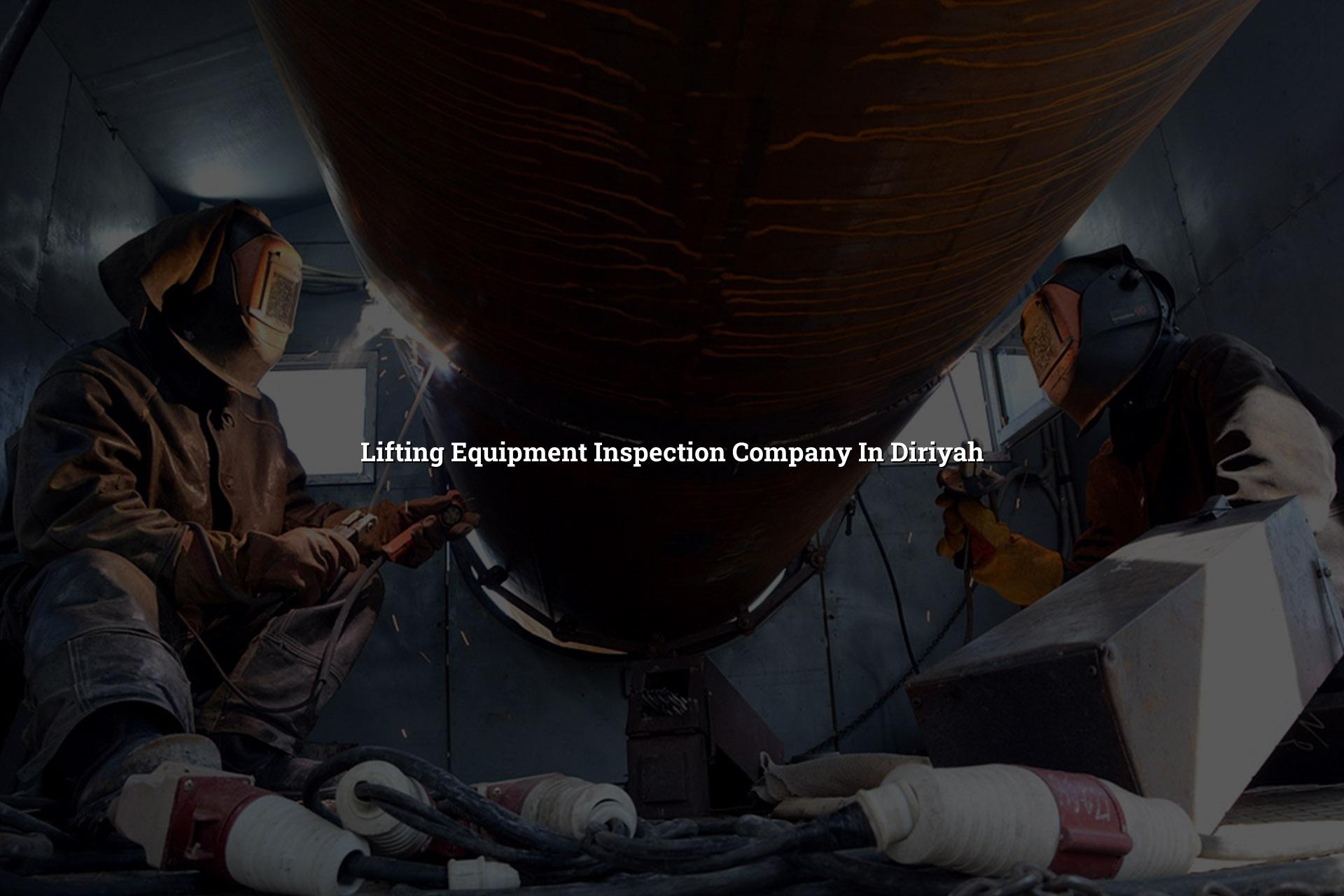
Lifting equipment inspection company in Diriyah searches usually come from teams that need clear answers before a crane, hoist, sling set, shackle, eye bolt or lifting beam goes back into service. We help you check the condition, record the findings and keep your lifting gear aligned with the level of control Saudi sites expect.
Our work supports contractors, maintenance crews and HSE teams operating in Diriyah, Riyadh and nearby project zones. We bring a practical inspection approach built around BS EN standards, third-party checking, and the kind of traceable documentation that stands up in audits, handovers and site permit reviews.
Lifting equipment inspection company in Diriyah for site-ready checks
When a client asks us to inspect lifting equipment, the first thing we look at is not just the item itself, but how it’s being used. A 10-ton overhead crane serving a fabrication bay needs a different inspection emphasis from a chain sling used for daily maintenance lifts, and the same goes for mobile lifting accessories on a construction or petrochemical job. Our team checks for wear, deformation, tagging, missing identification, corrosion, broken wires, damaged hooks, distorted links and anything else that can affect safe use.
What gets checked during a lifting inspection?
We inspect lifting machines and lifting accessories with a field engineer’s eye. That means visual condition, marking legibility, load-related damage, and the serviceability of parts that people sometimes ignore until a lift fails to start properly. On many Diriyah and Riyadh jobs, the real issue is not one dramatic fault; it’s a cluster of small defects that have been accumulating across several maintenance cycles.
Why records matter as much as the hardware
Good lifting inspection is about evidence. You need a report that can be shown to your site manager, your client representative and, where applicable, the safety team behind the permit system. We document findings clearly so you can sort equipment into pass, monitor or remove-from-service categories without guessing. That matters on busy sites where gear is shared across multiple crews and missing paperwork causes more delay than the repair itself.
- Identify the lifting item — confirm the asset type, serial number, capacity marking and any previous report history before inspection starts.
- Carry out visual and functional checks — look for deformation, cracks, wear, corrosion, missing locks, damaged stitching and evidence of overload.
- Verify control details — check tags, traceability references, safe working load markings and whether the item matches the intended lift plan.
- Record the result clearly — issue the findings in a format your maintenance and HSE teams can act on without chasing extra clarification.
- Suitable for cranes, hoists, slings, shackles, hooks and lifting beams
- Useful for pre-use checks, periodic inspection and return-to-service decisions
- Supports third-party verification on construction, industrial and maintenance sites
- Helps reduce downtime caused by unclear tagging or incomplete inspection history
Common items we inspect and what the report usually covers
| Item | Inspection focus | Typical output |
|---|---|---|
| Wire rope sling | Broken wires, kinks, corrosion, end fittings | Serviceable, monitor, or reject decision |
| Chain sling | Link wear, stretch, twist, hooks and latch condition | Condition notes and next-action guidance |
| Shackle or hook | Deformation, pin fit, thread condition, opening wear | Identification and fitness-for-use record |
| Hoist or crane hook block | Latch integrity, hook throat opening, wear points, markings | Inspection remarks for maintenance planning |
How lifting inspection helps with safer work in Diriyah
Most lifting incidents don’t start with a dramatic failure. They start with a missed defect, a rushed sign-off, or a piece of gear that has been used a few shifts too long. A proper inspection process gives your team a chance to catch the visible problems early, which is usually where the biggest safety gain sits. It also helps you avoid equipment swapping between sites with no reliable history attached to it.
BS EN-based inspection discipline
For lifting and inspection work, our approach keeps to BS EN standards mentioned in the project scope and to the practical checks site teams need for control. If your operation includes lifting gear used around boilers, structural steel, shutdown work or warehouse handling, this type of inspection is the difference between a confident lift and a problem that shows up under load.
Built for active industrial sites
We’re often called when equipment is being rotated between fabrication yards, plant rooms and project areas. That is where clear inspection status matters most, because gear can be perfectly usable one week and unacceptable the next if storage, handling or overload history has been poor. Our reports help maintenance teams make that call with less debate.
When to book a lifting equipment inspection in Saudi projects
In Diriyah, the timing is often driven by client handover, planned maintenance, shutdown work, or a fresh start on a new job. If gear has been in storage, exposed to weather, or used across multiple crews, it makes sense to inspect it before the next lift rather than after a complaint or stop-work call. We see the same pattern in industrial zones around Dammam and in mixed commercial projects across Riyadh: the earlier the check, the fewer arguments later.
We also get requests for pre-mobilisation checks where lifting gear needs to be sorted before it reaches the site. That saves time for supervisors because defective items can be pulled out before they interrupt a permit line-up or crane schedule. It’s a simple idea, but it works.
What you get from a disciplined inspection visit
You get a practical view of the condition of the lifting equipment, not a vague approval stamp. If an item passes, you have documented evidence. If it doesn’t, you have a clear reason why. That helps procurement, stores and site engineering teams act faster, especially when project deadlines are tight and everyone is trying to keep lifting operations moving.
- Better control for rented, shared or newly delivered lifting gear
- Clearer decisions before cranes and hoists are released to production
- Useful for plant shutdowns, maintenance turnarounds and project mobilisations
- Helps keep lifting records organised for audit trails and client review
How Mayon Industrial Services Can Help
We support lifting equipment inspections with the same discipline we use in calibration, mechanical services and industrial inspection work. If your Diriyah site needs lifting gear checked alongside maintenance, commissioning or shutdown planning, we can coordinate the inspection with the rest of your work scope. That keeps the job moving and keeps the paperwork cleaner.
Call +91 99447 80844 (India) or +966 59 633 8012 (Saudi Arabia), email services@mayonservices.com, or message us on WhatsApp.
Frequently Asked Questions
Honestly, the best fit is the company that can inspect the gear you actually use and document it in a way your site team can act on. For Diriyah jobs, that usually means a team that understands cranes, hoists and lifting accessories, plus the paperwork side. We work that way on active industrial and construction sites, so the result is practical, not just neat on paper.
It usually starts with identification and a visual condition check. From there, the inspector looks at wear, deformation, corrosion, markings, hooks, pins, chains, wires and any obvious load-related damage. The report should tell you whether the item can stay in service, needs monitoring, or should be removed.
Yes, if the site scope calls for it. That’s common on maintenance and project jobs because the client wants the lifting system checked as one package instead of booking several separate visits. It’s also easier for supervisors when the findings are grouped into one report set.
Yes, because it gives the client and the contractor an independent record before the equipment is used. That matters during handover, shutdown close-out and new project mobilisation, where everyone wants a clean trail of what was checked and what was not fit for use. It reduces back-and-forth on site.
Yes. We support Saudi projects from Dammam Industrial City 2 and coordinate work for clients in Diriyah, Riyadh and other Middle East locations we already serve. If the job needs lifting inspection alongside maintenance or other industrial services, we can plan it around your site access.
Ready to check your lifting gear before the next lift?
If you need a lifting equipment inspection company in Diriyah, we’re ready to help you sort the equipment, document the condition and keep the job moving with less risk.
Contact Mayon