
Lifting Equipment Inspection Company in Khafji
BS EN-based lifting inspections for cranes, slings, shackles and hooks used across Khafji and the Northern Eastern Province.
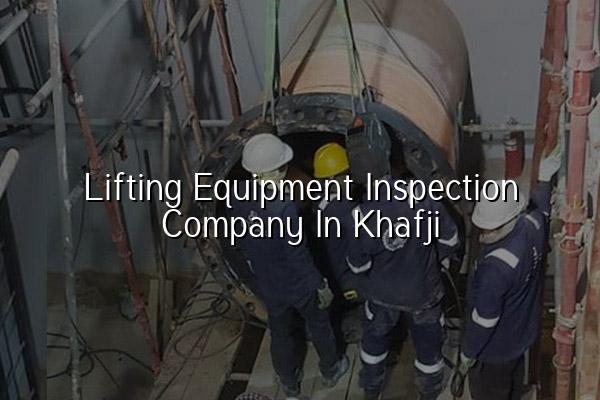
Lifting equipment inspection company in Khafji is the search most people make when the crane, sling or shackle has to go back into service and the paperwork needs to stand up to site checks. We help you verify the gear, document the condition and keep the lifting plan moving without guesswork.
In Khafji, that usually means oil and gas yards, maintenance shutdowns, fabrication areas and contractor compounds where gear moves between trucks, laydown areas and live lifting points. Our team works with BS EN-based inspection practices, NDT support and clear reporting for equipment used across Saudi Arabia and the wider Middle East.
Lifting Equipment Inspection Company in Khafji: what you should expect
A proper lifting equipment inspection company in Khafji should do more than tick boxes. You need someone who can check identification, condition, safe working use and visible wear on the gear you actually use every day, from cranes and hoists to slings, shackles, eyebolts, hooks and spreader beams. We see a lot of equipment that looks fine from a distance but shows damage, deformation or missing traceability once it’s laid out on the inspection bench.
What we look for on site
Our inspection approach starts with the basics: serial numbers, manufacturer data, rated capacity, proof of markings and the physical condition of the item. After that, we examine wear points, corrosion, distortion, cracked welds, damaged latches and the condition of accessories that often get ignored until a failure stops the lift. For larger site setups, we also support related checks through NDT and third-party inspection workflows.
Why the paperwork matters
In Khafji and nearby Saudi worksites, inspection reports often travel from maintenance teams to HSE, then to the client or main contractor. A clean report helps, but only if the checks behind it are real. That’s why our records are written for engineers and supervisors who need plain findings, not vague language. If an item is fit for continued use with conditions, we say so. If it should be removed from service, we say that too.
- Register the gear — list the asset tag, serial number, safe working load and location before the inspection starts.
- Clean and expose the item — dirt, grease and coating can hide cracks, distortion and worn markings.
- Inspect visually and functionally — check hooks, latches, pins, chain links, wire rope condition and attachment points.
- Measure and verify — confirm the condition against the working limits and document any defect that affects safe use.
- Issue the report — record pass, conditional use or reject status so your lifting team can act on it.
- Check lifting gear before shutdown work starts, not after the crane is already booked.
- Keep colour coding, asset labels and test records together in one folder or register.
- Pull damaged slings and shackles from the rack immediately, even if they “look usable.”
- Use third-party lifting-equipment inspection for site audits, handovers and contractor compliance.
Inspection focus by item type
| Item | Main inspection points | Typical site risk |
|---|---|---|
| Wire rope slings | Broken wires, kinks, crushing, corrosion and damaged terminations | Sudden loss of capacity during a lift |
| Chain slings | Stretch, link wear, cracked hooks, latch condition and identification marks | Overloading or link failure |
| Shackles and eyebolts | Deformation, thread damage, missing pins and traceability marks | Poor connection security |
| Hooks and lifting attachments | Throat opening, wear, twisting, safety latch function and cracks | Load slippage or unplanned release |
How inspection reduces lifting downtime
When lifting gear fails a pre-use check, the delay is rarely just about one sling. It usually affects the crane schedule, the permit sequence and the manpower waiting around the lift area. A structured inspection helps you catch the issue early, before it turns into a stop-work conversation in front of the whole crew.
Useful for shutdowns, rentals and contractor handovers
We often get called when equipment changes hands between contractors or comes back from storage after a long layoff. That is the risky moment. Gear can sit in a container or yard for months, then go straight into service without a fresh inspection. For site teams in Khafji, that’s where a clear third-party opinion saves time and avoids arguments.
What a good report should give you
A useful inspection report tells you what was checked, what failed, what passed and what needs attention next. It should support your HSE file, contractor records and lifting register without making you chase the inspector for clarifications later.
Signs your lifting equipment needs attention now
Some faults show up only when the gear is under load, but many appear long before that. Bent safety latches, unreadable tags, rust near load-bearing areas and chain links that no longer sit evenly are all reasons to stop and inspect. In our experience, the smallest visual change is often the one people ignore first.
For Khafji sites, dust, heat and salt exposure can speed up wear on outdoor gear. That matters for equipment stored near the coast, moved between job sites or used on vehicles that spend long hours outside. If the gear is exposed to the elements, the inspection interval should be taken seriously, not treated as a paperwork task.
- Missing or unclear capacity markings
- Bent hooks or damaged latches
- Excess corrosion or wire rope birdcaging
- Deformed shackles, pins or master links
How Mayon Industrial Services Can Help
We support lifting equipment inspection with the same practical mindset we bring to calibration, mechanical services and third-party inspection work. If your lifting gear also needs related checks, we can coordinate the job so your team isn’t juggling multiple vendors for one shutdown. For clients in Khafji, Dammam and across the Middle East, that keeps the process simpler and the documentation easier to manage.
Call +91 99447 80844 (India) or +966 59 633 8012 (Saudi Arabia), email services@mayonservices.com, or message us on WhatsApp.
Frequently Asked Questions
Most of the calls come from maintenance teams, HSE staff, contractors and procurement people who need lifting gear checked before use or before handover. If the item is going on a live site, into a shutdown or back into storage, an independent inspection helps you avoid disputes later. It also gives your team a clear record for the lifting register.
We commonly inspect slings, shackles, hooks, eyebolts, chain assemblies, lifting accessories and related gear used with cranes and hoists. For larger lifting systems, we can also support broader inspection scopes tied to the job requirement. If you’re not sure the item fits the inspection scope, send us the details and we’ll tell you what’s practical.
Yes. Khafji is exactly the kind of environment where lifting gear gets used hard, moved often and exposed to weather, so inspections need to be practical and well recorded. We work with the site conditions in mind and keep the reporting clear for engineers, supervisors and contractor teams.
We keep our work aligned with BS EN standards for lifting and inspection. Where the job needs supporting technical checks, we can add NDT or related inspection methods within the agreed scope. The important part is that the findings are written in a way your site team can use immediately.
Yes, and that’s a very common situation. Mixed contractor gear usually means mixed labels, mixed records and a few missing details, so we focus on identifying the item first and then checking whether it’s fit for use. That makes handover work less messy for everyone involved.
Send us the item list, the site location and the basic requirement, and we’ll guide you from there. If you already have tags, photos or an asset register, that helps us prepare faster. You can call, email or message us on WhatsApp, and we’ll take it from there.
Ready to put lifting checks on firm ground?
Send the gear list, and we’ll help you sort the inspection scope for Khafji and nearby Saudi sites.
Contact Mayon