
Lifting Equipment Inspection Company in Rabigh
BS EN lifting checks, inspection records and onsite support for Rabigh operations.
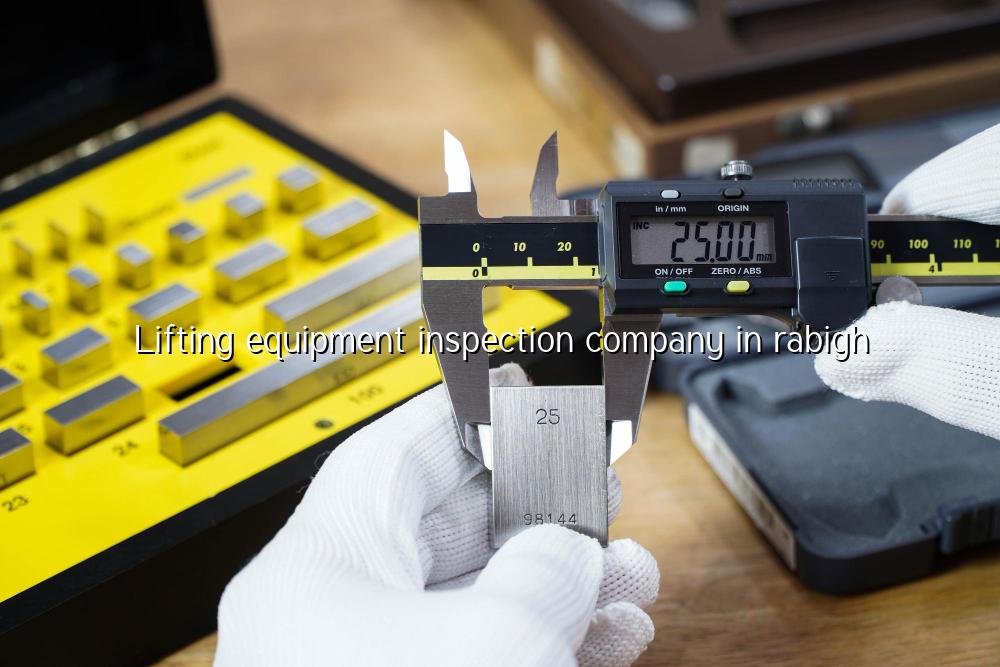
Lifting equipment inspection company in Rabigh support is what most site teams need when cranes, slings, shackles and other lifting accessories must stay ready for work without surprises. We help you check condition, document findings and keep the paper trail clear for supervisors, clients and auditors.
In Rabigh, that usually means plant shutdowns, marine handling, petrochemical yards and construction work where lifting gear gets used hard. Our team works with Saudi operations from Dammam Industrial City 2 and supports projects across Saudi Arabia and the Middle East with practical inspection and BS EN-aligned reporting.
What a lifting equipment inspection company in Rabigh should check
When a lifting item fails, the problem is rarely just the metal part you can see. Wear in hooks, bent links, damaged wire rope, missing safety latches, poor markings or out-of-date records can stop a lift and put people at risk. We inspect lifting equipment with that real site picture in mind, not as a desk exercise.
Gear that needs close attention
We regularly see issues on slings, chain assemblies, eyebolts, shackles, hooks, spreader beams and lifting accessories used around load handling areas. For Rabigh sites, where weather, salt air and heavy duty cycles can speed up corrosion and wear, a visual check alone is never enough if the gear is part of a critical lift plan.
Why documentation matters on Saudi projects
Most plant managers and HSE teams want one thing from an inspection partner: a report they can trust. That means serial numbers, item condition, test notes where relevant, clear pass or fail status and traceable records that match the asset list on site. We keep the language straightforward so your maintenance and procurement teams can act on it quickly.
- Identify the lifting item — match the asset tag, serial number, capacity and service location before the inspection starts.
- Check the visible condition — look for deformation, cracks, wear, corrosion, missing parts and damaged markings.
- Verify function and safety features — confirm hooks, latches, shackles, chain links and connection points behave as they should.
- Record the result — issue clear findings so your team knows what can stay in service and what needs repair or removal.
- Keep lifting gear records tied to each asset tag, not just a generic fleet list.
- Inspect before critical lifts, after damage and during scheduled maintenance rounds.
- Use inspectors who understand BS EN-based lifting and inspection expectations.
- Pull damaged equipment out of service until it has been cleared or repaired.
Common lifting equipment checks for Rabigh operations
| Item | What we look for | Why it matters |
|---|---|---|
| Wire rope slings | Broken wires, crushing, kinks, corrosion and end fitting damage | Helps prevent sudden failure during suspended loads |
| Chain slings | Wear, elongation, twisted links, cracks and missing identification | Supports safe load handling in repeated lift cycles |
| Shackles and hooks | Pin condition, throat opening, deformation and latch operation | Keeps the load connection secure under working load |
| Spreader beams | Weld condition, straightness, markings and attachment points | Protects large and awkward loads from instability |
How lifting inspections help reduce shutdown risk
A lifting item usually gives warning signs before it becomes a problem. The trick is spotting those signs early enough for maintenance to act. Scheduled checks help reduce unplanned stoppages, and they also make toolbox talks and lift planning more grounded because the condition of the gear is known, not assumed.
Good timing for inspections
For many sites, the best rhythm is tied to usage, not just the calendar. Gear used in daily plant moves, maintenance lifts, offshore support work or material handling around ports and industrial yards in Saudi Arabia should be reviewed often enough that wear does not build quietly between jobs.
Built for working sites
We support shutdowns, construction work, fabrication yards and plant maintenance teams that need inspection records they can hand to operations, HSE and client representatives without extra explanation.
What clients usually ask us for in Rabigh
Most teams in Rabigh want more than a simple yes or no. They ask for inspection findings that fit into their maintenance system, support contractor control and satisfy site rules for lifting gear. That can include asset registers, inspection status lists, recommendations for repair and notes on items that should not go back into service.
How we handle mixed lifting fleets
Many facilities use a mix of older and newer equipment. That means the inspection approach has to be practical. We separate items by condition and risk, then work through the fleet in a way that helps your supervisors decide what stays, what gets repaired and what needs replacement planning.
Where third-party inspection helps
A third-party view can be useful when the same gear is used by several contractors or when a client wants an independent check before a major lift. It also helps during audits, incident reviews and pre-commissioning phases where the records need to show that someone competent has looked at the equipment.
- Start with the asset list — confirm which lifting items are in scope for the visit.
- Separate serviceable from suspect gear — keep the inspection flow organised and safe.
- Inspect and document — note condition, markings, usage concerns and visible defects.
- Act on the report — repair, withdraw or continue using equipment based on the findings.
- Ask for clear pass, fail and conditional-use status on every report.
- Keep damaged lifting gear physically tagged off the work area.
- Recheck items after impact, overload suspicion or abnormal wear.
- Match inspection intervals to the way the equipment is actually used.
How Mayon Industrial Services Can Help
We support lifting equipment inspection with the same practical approach we use across inspection, calibration and industrial maintenance work. If your Rabigh operation also needs related checks, we can coordinate with your team on lifting gear inspection, NDT support, repair planning and documentation that fits site control procedures. That keeps the work moving and gives your supervisors something useful to act on.
Call +91 99447 80844 (India) or +966 59 633 8012 (Saudi Arabia), email services@mayonservices.com, or message us on WhatsApp.
Frequently Asked Questions
We look at the item’s physical condition, markings, safety features and obvious defects. That covers things like wear, corrosion, bent parts, missing latches and anything that suggests the gear shouldn’t keep working. If the client needs it, we also align the report with site asset lists and lifting records.
Yes, we can inspect common lifting accessories on site, which is usually the easiest route for working plants and yards. Onsite checks save time because the equipment stays in its real working environment, and your team can point out the items that are actually being used day to day.
Yes. We provide inspection findings in a format that’s easy to hand over during audits, contractor reviews or internal safety checks. The goal is to make the report readable for operations people, not just technical staff.
BS EN standards give a clear technical basis for lifting equipment and inspection work. For Saudi industrial sites, that kind of structure helps teams keep records consistent across contractors, equipment types and maintenance cycles. It also makes it easier to explain why an item passed, failed or needs repair.
The right interval depends on usage, environment and the site’s own procedures. Gear used every day in a harsh setting needs more attention than items used occasionally in controlled storage or workshop conditions. We normally advise clients to tie the interval to actual service conditions rather than guessing.
Yes, we support Saudi projects from our Dammam base and work across the Kingdom and the Middle East. That helps when a client has multiple locations, such as industrial plants, storage yards, logistics areas or shutdown teams moving between sites.
Need lifting inspection support in Rabigh?
Keep your lifting gear documented, checked and ready for site use with a team that understands Saudi industrial work.
Contact Mayon