
Lifting Equipment Inspection Company in Duba
We inspect cranes, hoists, slings and lifting accessories with clear reporting for sites that need proof, not promises.
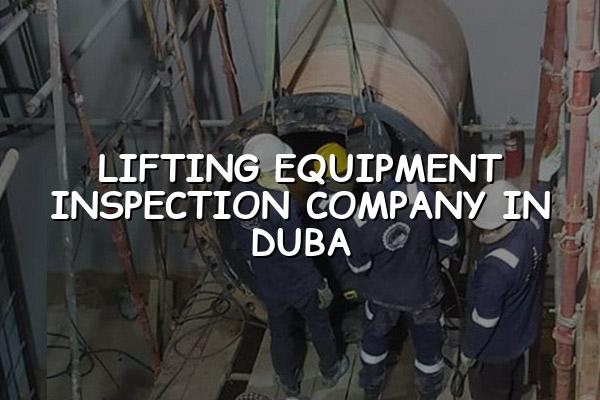
Lifting equipment inspection company in Duba searches usually come from one of two places: a shutdown that needs paperwork fast, or a site team that has found wear, missing markings or a failed pre-use check. We help you deal with both. Our inspections are built for crane users, rigging teams and maintenance managers who need a clear pass, fail or action-needed outcome.
We work with lifting operations across Dubai, Saudi Arabia and the wider Middle East, where crane safety, traceability and BS EN-based inspection records are part of daily life. From slings and shackles to hoists, hooks and lifting accessories, our team focuses on condition, identification, safe working use and the documents your supervisors ask for before the lift goes ahead.
What a Lifting Equipment Inspection Company in Duba Should Cover
A proper lifting inspection is never just a glance at the gear. In the field, we look for cracked welds, distorted hooks, twisted wire rope, damaged stitching on web slings, illegible tags, missing serial numbers and signs of overload or poor storage. The point is simple: if an item is going to hold a suspended load, it needs a defensible inspection record, not a guess.
Why paperwork matters on busy sites
In Dubai, Abu Dhabi, Dammam and industrial zones across the GCC, lifting plans move quickly. A foreman may clear the area, a rigger may prepare the gear, and then someone asks for inspection evidence before the lift. That evidence matters because it ties the item to an identifier, the observed condition and the inspector’s judgement. Without it, lifting operations stall, and nobody likes that when a shutdown window is tight.
Where we see the most risk
Most problems show up on items that are used daily and stored badly between shifts. Chain slings get dragged, bow shackles get pinched, eye bolts get mixed between jobs, and powered lifting equipment picks up wear long before anyone notices. We see the same pattern in construction yards, oil and gas maintenance, fabrication shops, ports, warehouses and cold-chain facilities. Regular inspection breaks that pattern before it becomes an incident.
- Identify the item — confirm the tag, serial number, capacity marking and service history before any physical check starts.
- Check the body and fittings — inspect for deformation, corrosion, cracks, broken strands, worn pins, damaged latches and heat damage.
- Verify the use condition — compare what you found with how the item is actually used on site, including environment, load type and frequency.
- Record the result — issue a clear report with status, remarks and any action required so the maintenance team knows what to do next.
- Slings, shackles, hooks, chains and eye bolts should be checked before service, after damage and at scheduled intervals.
- Traceability is easier when tags, IDs and inspection dates stay readable.
- Any sign of overload, twist or heat exposure needs a closer look.
- A single failed accessory can stop an entire lift, so small defects matter.
Common Lifting Items and What Inspectors Look For
| Item | Typical Risk | Inspection Focus |
|---|---|---|
| Wire rope sling | Broken strands, corrosion, crushed sections | Rope condition, end terminations, identification tag |
| Web sling | Cut fibres, stitching failure, heat damage | Webbing surface, labels, eyes and wear points |
| Bow shackle | Pin damage, thread wear, distortion | Body shape, pin fit, markings and corrosion |
| Chain sling | Elongation, link wear, bent hooks | Link gauge, hook latch, grade marks and condition |
How the Inspection Process Supports Safe Lifting
Our inspection work is practical. We are not trying to make the report sound impressive; we are trying to help the lift team decide what can be used and what needs to be removed. That means visual checks, dimensional checks where needed, identification review and supporting non-destructive testing when the item or site condition calls for it. On some jobs, PPE inspection is part of the same control plan too.
Standards and site expectations
For lifting and inspection work, clients in the GCC often expect clear reference to BS EN standards in the report trail. Where electrical or calibration support is needed for related tools and instruments, our ISO/IEC 17025:2017 systems help keep measurements traceable. We also work within ISO 9001:2015 quality controls and, for electrical calibration items, EURAMET CG-15 where relevant.
What the site team gets
A report that tells the story plainly: item identity, visible condition, defects found, recommendation and status. That is what procurement, QA and lifting supervisors can work with. If a replacement or repair decision is needed, the record is already there.
Practical Checks Before You Book an Inspection
If you are organising an inspection, a little preparation saves time on the day. Gather the asset list, last inspection records and any notes about visible damage. Keep the lifting accessories clean enough for markings to be read. If the item was involved in a dropped load, shock load or heat exposure, tell the inspector upfront. Hiding the history helps nobody.
What usually slows a job down
Missing tags are the biggest nuisance. After that come mixed asset batches, no access to the stored gear and uncertainty about which items are in service and which are already quarantined. In our experience, the site that prepares these details well gets a cleaner report and fewer follow-up calls from the lifting supervisor.
For larger maintenance shutdowns, we often see inspection requests bundled with hydrotesting support, bolt torquing, flange work or other mechanical services. That is normal on oil and gas, petrochemical and power sites. The key is to line up the lifting equipment check with the shutdown plan so the crew is not waiting around for paperwork.
- Keep serial numbers and safe working load markings visible.
- Separate damaged items before the inspection team arrives.
- Share previous reports so recurring defects are easier to spot.
- Tell us the lift environment, such as outdoor marine exposure or cold-store use.
Typical Findings We See Across Lifting Gear
| Item Type | Frequent Finding | Usual Action |
|---|---|---|
| Hoist | Hook wear, chain condition, brake or control concerns | Repair, retest or remove from service |
| Crane accessory set | Mixed tags, unclear capacity marks, corrosion | Re-identify, clean, inspect again if needed |
| Rigging set | Uneven wear between slings and shackles | Quarantine the weak item and re-check the set |
| Special lifting frame | Weld distress, bent members, damaged lifting points | Engineering review and follow-up inspection |
How Mayon Industrial Services Can Help
We support lifting equipment inspection with the same discipline we bring to calibration, mechanical services and inspection work across India and Saudi Arabia. If your project needs lifting gear checks, NDT support, site access coordination or a report that stands up to QA review, our team can handle the job on site or alongside your maintenance schedule. We also help where equipment needs repair, testing or follow-up calibration.
Call +91 99447 80844 (India) or +966 59 633 8012 (Saudi Arabia), email services@mayonservices.com, or message us on WhatsApp.
Frequently Asked Questions
Usually it is the site owner, contractor, maintenance manager or lifting supervisor who ends up needing the inspection. If the equipment is used for cranes, hoists, rigging, material handling or planned shutdown work, the inspection record needs to be clear and current. On shared industrial sites, that paper trail helps avoid arguments at the point of lift.
It normally covers the item identity, visible condition, defects found, recommendation and final status. For a busy site, that is enough to decide whether the item can stay in service, needs repair or should be removed. We keep the language plain so the report can be used by operations, QA and procurement without translation.
Yes, we can inspect mixed lifting sets on the same visit when the site has the items ready and identified. That is common on maintenance shutdowns and warehouse checks. It saves time because the inspector can compare the accessories as a set rather than treating each one in isolation.
Clients commonly ask for BS EN standards to be reflected in the inspection approach and report trail. Where measurement traceability is needed for related calibration work, our ISO/IEC 17025:2017 system supports that side of the job. The exact scope depends on the item type, site requirement and the documents your safety team expects.
Yes, that is a normal part of our work. We regularly serve oil and gas, petrochemical, power, construction, manufacturing and cold-chain clients across India, Saudi Arabia and the Middle East. Those sites often need lifting gear inspection alongside mechanical, electrical or NDT support, so we plan around the shutdown or permit window.
Have the asset list ready, clear access to the gear and any previous reports if you have them. If there has been overload, shock loading, dropped load damage or heat exposure, tell us before the visit. That helps the inspector focus on the real risk points instead of spending the first part of the job hunting for basic information.
Ready to put your lifting gear back on a proper inspection schedule?
Send us the equipment list and site location, and we’ll help you plan the checks with clear reporting and practical next steps.
Contact Mayon