
Lifting Equipment Inspection Company in Hawiyah
Clear inspection support for cranes, slings, shackles and lifting accessories used on demanding industrial sites in Eastern Saudi Arabia.
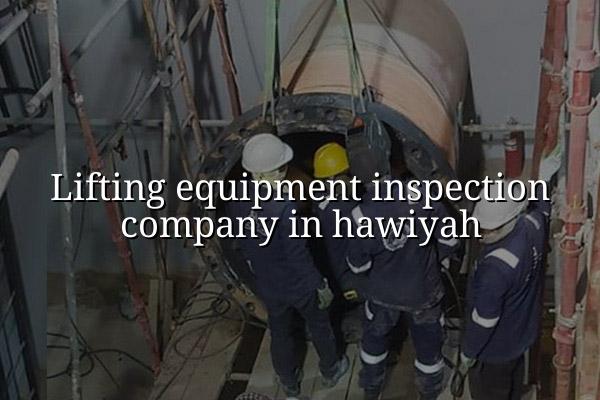
Lifting equipment inspection company in Hawiyah support starts with one thing: knowing your gear is fit for the next lift, not just looking presentable on paper. We help teams check cranes, slings, shackles, hooks and below-the-hook accessories so you can keep work moving with fewer surprises and cleaner handover records.
In Hawiyah and the wider Eastern Province, lifting gear often works around oil & gas plants, maintenance shutdowns and fabrication yards where the margin for error is thin. Our inspection approach fits that reality, with BS EN-based checks, NDT where needed and practical reporting that supervisors, QA teams and permit holders can use straight away.
What a lifting equipment inspection company in Hawiyah should cover
A proper lifting inspection is not a quick glance at the serial plate. It needs a mix of visual condition checks, dimensional verification, identification review and, where the equipment or the job calls for it, NDT and load-related examination. For site teams in Hawiyah, that usually means covering cranes, chain blocks, web slings, wire rope slings, eyebolts, spreader beams and the smaller accessories that often get missed until they fail a pre-use check.
Where most lifting failures start
Most problems we see begin with wear that people get used to: damaged hooks, distorted shackles, unreadable tags, corrosion on stored gear or sling legs that no longer match the job. In some yards the issue is simple contamination from dust and oil; in others it is poor storage after a shutdown. Those details matter because lifting gear can look serviceable at a distance and still fail the checks that matter on site.
Why reports matter as much as the inspection
A useful report should tell you what was checked, what failed, what can stay in service and what needs to be quarantined. We write with maintenance teams in mind, so the result is easier to file against asset registers and easier to use during audits. That matters in Saudi industrial work, where traceability and discipline around lifting operations are part of daily life.
- Identify every item — record the equipment type, serial number, capacity marking and visible condition before the detailed check starts.
- Inspect the body and fittings — look for deformation, corrosion, cracks, missing markings and anything that would affect safe use.
- Check the lifting accessories — verify hooks, shackles, slings, eyebolts and connectors against the actual work setup.
- Document the outcome — separate pass, monitor and reject items so the site team knows what can move back into service.
- Use inspection records that name each item clearly, not just the batch.
- Keep quarantine tags on rejected gear until repair or disposal is complete.
- Match inspection frequency to site duty, storage conditions and lifting severity.
- Ask for BS EN-based inspection where lifting equipment compliance is being reviewed.
- Include NDT when there is wear, impact damage or a crack-suspect area.
Typical lifting gear checks used on Hawiyah sites
| Item | What we check | Why it matters |
|---|---|---|
| Wire rope slings | Broken wires, kinks, corrosion, crushed sections and end fitting condition | Hidden internal damage can reduce safe working margin fast |
| Shackles and hooks | Deformation, pin condition, latch operation, wear at load-bearing points | Shape changes and worn contact points affect lifting integrity |
| Chain blocks and hoists | Chain wear, brake action, hook twist, casing damage and tag status | They are often used repeatedly during shutdown work and need tight control |
| Spreader beams and below-the-hook gear | Weld condition, markings, attachment points and evidence of overload | These items carry the full load path and need clear traceability |
How we keep lifting gear ready for work, not just ready for filing
On industrial sites, the real test is whether gear passes both the inspection and the job it is about to do. That means checking the condition of the gear, the legibility of markings, the match between accessory and load, and the evidence that storage and handling have been sensible. We also know that maintenance shutdowns can pressure teams to rush, so our inspectors keep the process firm without making it awkward for site crews.
Why Hawiyah teams ask for field inspections
Field inspections save time when equipment is already in use on site or when moving gear to a distant workshop would interrupt the workfront. Our mobile capability helps with that. For plant managers in Hawiyah, that can mean fewer logistics headaches and better control over lifting assets that need attention before the next outage or turnaround.
Built for plant and shutdown work
We see lifting gear in oil & gas, petrochemical, power and construction jobs where equipment has to be checked properly before it goes back into service. That is why we keep the inspection notes practical, the acceptance comments clear and the nonconformance points easy to act on.
Inspection records, traceability and BS EN standards
For lifting equipment inspection company in Hawiyah searches, people usually want more than a vendor list. They need someone who can support the paper trail as well as the physical check. We work to BS EN standards for lifting and inspection, and we keep the language of the report tied to the actual equipment condition, so the outcome is easier to use in audits, internal reviews and permit discussions.
That traceability matters across Saudi industrial work because lifting gear often moves between contractors, stores, job sites and shutdown crews. If the records are vague, the next person in the chain loses time trying to work out what was inspected, what was rejected and what should never have been issued in the first place.
- Keep inspection dates tied to the actual asset, not only the purchase file.
- Separate lifting accessories by duty so mixed-use gear does not get overlooked.
- Use clear rejection notes when damage, wear or missing identification is found.
- Recheck repaired or modified items before they return to site use.
How Mayon Industrial Services Can Help
We support Hawiyah projects with lifting equipment inspection, calibration support for related instruments, mechanical checks, NDT, and onsite field work through our mobile capability. If your team needs lifting gear verified before a shutdown, turnaround or routine plant movement, we can help you sort the equipment that is fit to use from the items that need attention.
Call +91 99447 80844 (India) or +966 59 633 8012 (Saudi Arabia), email services@mayonservices.com, or message us on WhatsApp.
Frequently Asked Questions
Honestly, anyone using lifting gear on site should want a proper inspection record before the equipment goes back into service. For plant teams, that usually means a third-party check for cranes, slings, shackles and accessories, with clear notes on condition and any rejection points.
It usually includes visual condition checks, identification review, wear and deformation checks, and assessment of hooks, pins, chains, ropes and markings. If the item shows signs of impact, corrosion or cracking, NDT may be used to support the final decision.
Yes — we can support onsite work in Saudi Arabia, including Hawiyah and nearby industrial areas, using our field capability and industrial inspection experience. That helps when the gear is already installed, hard to move or needed for immediate plant coordination.
Yes, we provide inspection reporting that shows what was checked and what the outcome was for each item. That makes it easier for supervisors and QA teams to file the record, quarantine rejected gear and plan follow-up action without guesswork.
BS EN standards give lifting teams a common reference for inspection and safety expectations. When the report follows that language, it is easier to defend the decision to keep an item in service or pull it from use.
Need lifting gear checked before the next job?
Send us the equipment list or call our team, and we’ll help you plan the inspection with the right level of detail for the site.
Contact Mayon