
Lifting Equipment Inspection Company in Ras Al Khair
Third-party lifting checks for cranes, hoists, slings and accessories used in Ras Al Khair industrial work.
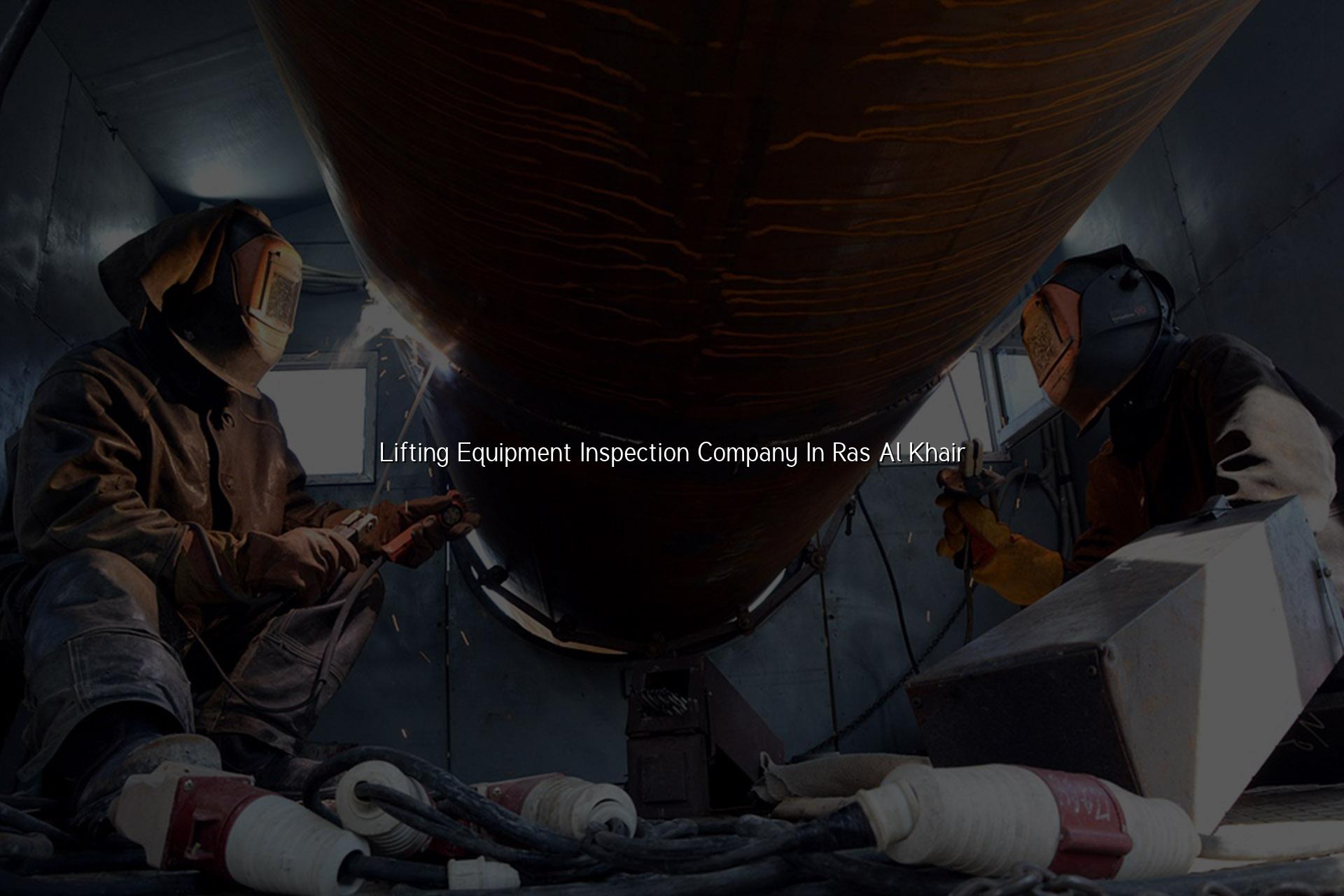
Lifting equipment inspection company in Ras Al Khair services matter when your cranes, hoists and lifting accessories have to work around the clock and still pass site audits. We help you check the equipment, spot defects early and keep the paperwork clear for supervisors, contractors and safety teams.
From port-side handling and fabrication yards to heavy industrial maintenance, we support Ras Al Khair projects with third-party lifting inspection, NDT and field reporting that fits the way Gulf industrial sites actually run. Our team works across Saudi Arabia from Dammam Industrial City 2, and we also support clients in India and the wider Middle East.
What a lifting equipment inspection company in Ras Al Khair checks
In Ras Al Khair, lifting gear usually lives a hard life. Salt air, heat, repetitive loading and hurried shifts can all leave their mark on wire ropes, shackles, hooks, cranes and below-the-hook gear. We inspect with that reality in mind. The aim is not just to tick a box; it is to help you know which items can keep working, which ones need repair, and which ones should be withdrawn before they become a problem on site.
Equipment we commonly see on site
Our lifting equipment inspection work typically covers overhead cranes, mobile lifting devices, chain blocks, lever hoists, slings, eyebolts, shackles, spreader beams and other rigging hardware used in maintenance shutdowns or cargo handling. We also check the visible condition, identification markings, safe working load details, evidence of deformation and signs of wear that would make a lift unsafe.
Why the paperwork matters as much as the metal
Most supervisors in industrial plants want a clear answer, fast. They need to know what passed, what failed and what needs retesting after repair. That is why our inspection records are written for real use: site teams, HSE officers and procurement people can read them without guessing. For lifting gear in Saudi Arabia, that kind of clarity helps during vendor audits, client inspections and internal compliance reviews.
- Start with identification — we confirm the item, serial number, tag or marking so the report matches the equipment in the yard.
- Check the visual condition — we look for bent parts, corrosion, missing labels, damaged stitching, heat marks and obvious wear.
- Test against service criteria — the inspector compares findings with the applicable lifting and inspection requirements used on site, including BS EN-based expectations where relevant.
- Record pass or fail — each item is listed clearly so your team can remove unsafe gear or return sound equipment to service.
- Suitable for cranes, hoists, slings and rigging kits used in plants and yards
- Helps reduce downtime caused by sudden lifting failures or missing certification
- Supports third-party inspection needs in industrial projects and contractor sites
- Can be combined with NDT, PPE checks and other inspection services when needed
Typical lifting inspection focus for Ras Al Khair operations
| Item | What we look at | Why it matters |
|---|---|---|
| Wire ropes | Broken wires, corrosion, crushing, kinks and drum spooling | Stops hidden damage from turning into a sudden failure |
| Shackles and hooks | Deformation, pin condition, latch function and surface wear | Helps confirm the load path is still safe |
| Slings | Web damage, stitching condition, tag legibility and chemical marks | Keeps soft gear from staying in service too long |
| Hoists and cranes | Movement, brakes, hooks, limit features and visible structure | Supports safer lifting during maintenance and handling work |
How inspection supports safety, audits and shutdown work
When a lift goes wrong, the damage is rarely limited to one item of gear. Work stops, people get pulled into investigations and the schedule slips. A proper inspection routine gives your team a better chance of catching wear before the next lift. That matters in Ras Al Khair, where many jobs are tied to production windows, contractor handovers and fixed maintenance slots.
Built for industrial teams, not just paper files
We focus on practical outcomes: usable reports, visible findings and a straightforward view of what should stay in service. If a client wants lifting equipment inspection alongside NDT, PPE inspection or other third-party checks, we can align the scope so your site team gets one clear record instead of a stack of loose documents.
For shutdowns, ports and fabrication yards
Ras Al Khair sites often deal with heavy loads, crane movements and contractor equipment arriving from more than one source. A single inspection pass can help teams spot mismatched gear, poor markings or lifting points that need closer attention before use.
Our lifting inspection workflow on active sites
We keep the workflow simple because site work is already complicated. First, we agree the scope and equipment list. Then our inspector checks the items on site, captures the findings and separates serviceable gear from equipment that needs repair, retest or removal. If the job includes accessories spread across several work fronts, we map them by location so your team can track where each item was found.
That approach works well in industrial settings where lifting gear is shared between maintenance crews, contractors and stores. It cuts down the kind of confusion that comes from unlabeled slings or borrowed shackles. It also helps when your quality team wants traceable records for internal control.
What usually causes failure findings
We often find the same issues again and again: damaged tags, worn identification, corrosion from storage, bent hooks, poorly kept slings and accessories that have been mixed with unrelated gear. None of that is surprising in a hot coastal environment, but it does mean the inspection has to be disciplined. A quick look is not enough.
- Plan the lift list — identify the cranes, hoists and accessories that need review before the work starts.
- Inspect the gear in place — check each item where it is used or stored, so you avoid missed equipment.
- Separate findings clearly — tag serviceable and non-serviceable items so the site team can act quickly.
- Close the loop — if repairs or retesting are needed, keep the records tied to the same asset details.
- Useful for planned shutdowns and contractor mobilization
- Helps separate damaged gear from items still fit for use
- Supports traceability for stores, HSE and QA teams
- Can be paired with repair, calibration and testing support where needed
How Mayon Industrial Services Can Help
We support lifting equipment inspection company in Ras Al Khair requirements with third-party inspection, NDT support, PPE inspection and related mechanical services. If your site needs a cleaner handover after maintenance, we can look at the lifting gear alongside the equipment that depends on it, which usually saves a lot of back-and-forth between departments. Our team works from a practical checklist and writes the results in plain language.
Call +91 99447 80844 (India) or +966 59 633 8012 (Saudi Arabia), email services@mayonservices.com, or message us on WhatsApp.
Frequently Asked Questions
Honestly, the best fit is the team that can inspect on site, explain the findings clearly and give you a report your supervisors can actually use. For Ras Al Khair, that usually means someone who understands cranes, hoists, rigging and contractor gear in a heavy industrial setting. We work that way, so the site team knows what passed and what needs action.
It usually includes a visual check of the equipment, identification review, condition assessment and a pass or fail decision based on the item’s condition and the site’s inspection rules. We look at visible wear, deformation, corrosion, markings and anything else that could affect safe use. If the gear is out of service, the report makes that very plain.
Yes. In fact, that is how many sites prefer it, because the lifting system usually depends on all those items together. We can inspect the crane or hoist, then move through the slings, shackles and accessories so your team gets one connected record instead of several disconnected checks.
Yes — that is one of the common use cases. Shutdowns tend to move quickly, and lifting gear often comes from different stores or contractors. We help by checking the items on site and documenting the condition so the maintenance or turnaround team can keep moving with less delay.
We work within the standards named on this site, including BS EN standards for lifting and inspection where they apply. For calibration-linked work, Mayon also operates under ISO/IEC 17025:2017 and ISO 9001:2015. If you need the scope aligned to a client or project requirement, we can discuss that before we start.
Yes, and that often makes sense on industrial sites. If your lifting gear, rigging points or work-area controls need more than one type of check, we can coordinate the scope so your team gets a simpler handover. That also helps when site access is limited and everyone wants fewer contractor visits.
Need a lifting inspection team for Ras Al Khair?
Send us the equipment list, and we’ll help you plan the inspection around your site schedule and lifting risk.
Contact Mayon