
Lifting Equipment Inspection Company in Ras Tanura
Third-party lifting inspections for Ras Tanura sites that need safe lifting gear, traceable records and practical support.
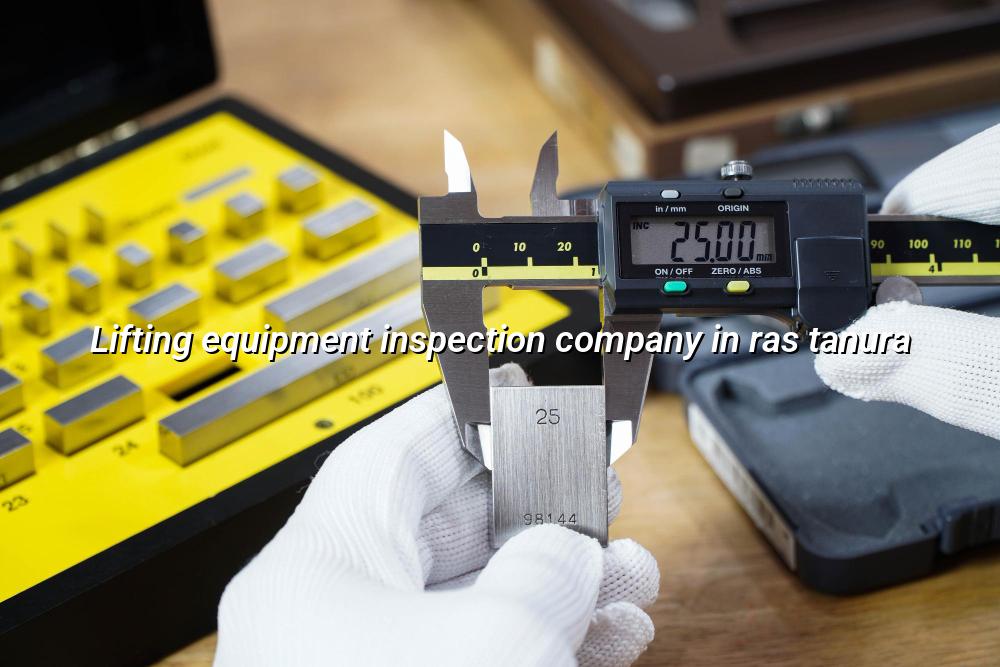
Lifting equipment inspection company in Ras Tanura support starts with one simple need: you want gear that works, records that stand up to scrutiny, and a team that understands site pressure. We help you get there with practical inspection work for cranes, shackles, hooks, slings, eyebolts, winches and other lifting accessories used around terminals, maintenance yards and project sites.
Ras Tanura operations often run around oil and gas turnarounds, marine loading activity, fabrication and heavy maintenance, so lifting gear gets used hard and checked often. Our team works with the kind of compliance questions supervisors ask every week: is the equipment fit for use, what failed, what needs tagging out, and what evidence will the auditor want to see next?
Lifting Equipment Inspection in Ras Tanura: What Site Teams Need
When people search for a lifting equipment inspection company in Ras Tanura, they usually need more than a checkbox visit. They need third-party inspection support that can identify wear, deformation, corrosion, missing markings, damaged safety latches, stretched slings and poor storage before those issues become a lifting incident. In our experience, the best results come when inspection is tied to daily use, not left until the last minute before shutdown or contract renewal.
What we check during a lifting inspection
We look at the equipment the way a competent site supervisor would, but with more detail and a clean record trail. That includes visual examination, dimensional checks where needed, condition of load-bearing parts, identification marks, safe working load details and any obvious signs that the gear has been overloaded or mishandled. If the item needs to be removed from service, we make that clear.
Why BS EN-based inspection discipline matters
Many Ras Tanura buyers want lifting gear checks that align with BS EN standards and general third-party inspection practice. That matters because lifting gear is not judged on appearance alone. A sling can look fine and still fail on stitching damage, a hook can still be unsafe if the throat opening has spread, and a shackle can be rejected if the pin or body shows wear beyond acceptable limits. Clear records protect your team and make procurement easier.
- Identify the lifting set — list the equipment tag, capacity, location and last inspection record before the visit starts.
- Examine the condition — check for wear, distortion, corrosion, broken strands, latch failure, illegible markings and missing parts.
- Separate pass and fail items — tag unsafe gear clearly so it cannot be reused by mistake on the next lift.
- Issue the inspection record — provide a practical report the maintenance or HSE team can file, trace and use for follow-up action.
- Keep lifting certificates and inspection tags matched to the same asset number.
- Recheck slings and shackles after any overload suspicion or dropped-load incident.
- Store wire ropes and chain slings away from salt spray, mud and chemical splash.
- Pull damaged gear from the active rack immediately, not at the end of shift.
- Use third-party inspection records during vendor audits and lifting plan reviews.
Typical Items and What an Inspector Looks For
| Equipment | Common Issues | Inspection Focus |
|---|---|---|
| Wire rope sling | Broken strands, kinks, corrosion, crushed sections | Check rope condition, end fittings and serviceability |
| Chain sling | Wear, elongation, bent links, damaged hooks | Assess chain links, master link and latch condition |
| Shackle | Deformation, pin wear, thread damage, lost markings | Confirm body shape, pin fit and identification |
| Hook and latch | Throat spread, twist, safety latch failure | Verify opening size, movement and load-bearing shape |
How Inspection Supports Operations in Saudi Industry
Ras Tanura sits in a part of Saudi Arabia where lifting gear is used in demanding conditions, often close to marine exposure, heavy plant movement and contractor activity. That mix makes condition checks even more valuable. A small defect can become a site-wide delay if the item is found only when the lift is about to start.
Why teams keep inspection separate from daily toolbox talk checks
Toolbox checks are useful, but they are not the same as a documented third-party inspection. Your site team may spot obvious damage, while an external inspector focuses on traceability, evidence and reject criteria. That split helps supervisors, QA teams and procurement staff make decisions with less argument and fewer surprises.
Practical support for high-risk lifting work
We see the same pattern across oil and gas, petrochemical and maintenance jobs: teams want equipment checked before a lift plan is signed off, not after a problem shows up. That is where good inspection habits save time and reduce rework.
Planning a Lifting Inspection Program That Actually Works
A lifting inspection program works best when it follows the way your site actually operates. If your equipment moves between workshops, laydown areas and field work, the records must travel with it. If your project uses hired gear, the handover check becomes just as important as the final release.
We normally advise keeping three things tight: item identification, inspection frequency based on use, and corrective action after any failed item. That sounds basic, but it is where many sites lose control. One unlabeled shackle or one missing report can slow a whole lifting team.
- Build the asset list — note every sling, shackle, hook and accessory that enters lifting service.
- Set the inspection route — decide which items are checked in store, which are checked on site and which need pickup support.
- Review failure trends — look for repeated wear on the same type of gear or from the same job type.
- Close the loop — replace rejected gear, update logs and brief the lifting crew before the next job.
- Use clear tagging so failed gear cannot re-enter the lifting rack.
- Keep purchase files and inspection reports together for audit traceability.
- Reinspect hired equipment before it is used on your site.
- Train rigging crews to report bent hooks, stretched slings and damaged pins early.
How Mayon Industrial Services Can Help
We support lifting equipment inspection work with a practical third-party mindset, backed by our wider industrial services in calibration, inspection and engineering. If your Ras Tanura site also needs related checks such as NDT, mechanical support, electrical testing or equipment traceability, our team can coordinate the work so you are not chasing multiple vendors for one shutdown.
Call +91 99447 80844 (India) or +966 59 633 8012 (Saudi Arabia), email services@mayonservices.com, or message us on WhatsApp.
Frequently Asked Questions
The best fit is the team that can inspect your lifting gear properly, document the findings clearly and work to the standards your site expects. For Ras Tanura operations, that usually means third-party inspection with BS EN-based checks, traceable tagging and a report the HSE or maintenance team can act on. We focus on practical decisions, not just paperwork.
It usually includes a visual check, condition review, identification verification and a look for wear, deformation, corrosion and missing parts. For items like slings, shackles and hooks, we also check whether the equipment is still suitable for service. If something is unsafe, it gets identified clearly so it can be removed from use.
Yes, that is one of the most common uses for this service. Oil and gas maintenance work brings in heavy lifting, contractor equipment and time pressure, so inspection discipline matters a lot. We help teams check gear before it is used on shutdowns, turnarounds and routine maintenance jobs.
Yes. Contractor gear often needs a fresh check before it enters site use, even if it already has paperwork. We can inspect the items, identify failed components and help your team decide what is fit for service and what needs to be held back.
Slings, shackles, hooks, eye bolts and lifting accessories that move from job to job should be watched closely because they get handled the most. If they are exposed to marine air, rough storage or repeated rigging, wear shows up faster. That is where a regular inspection routine pays off.
Ready to keep your lifting gear fit for service?
Send us the details, and we’ll help you set up inspection support that suits your Ras Tanura operation and your site records.
Contact Mayon